Custom Supplement Manufacturing begins with an agreed product definition, not simply a chosen ingredient and a label design.
A useful development brief separates the intended formula, physical format, sensory target, packaging and release evidence. Each affects the others: changing a serving size can alter taste, fill weight, pack count and artwork. Fixing those relationships early reduces the chance that an attractive sample becomes a product that cannot be reproduced within the approved scope.
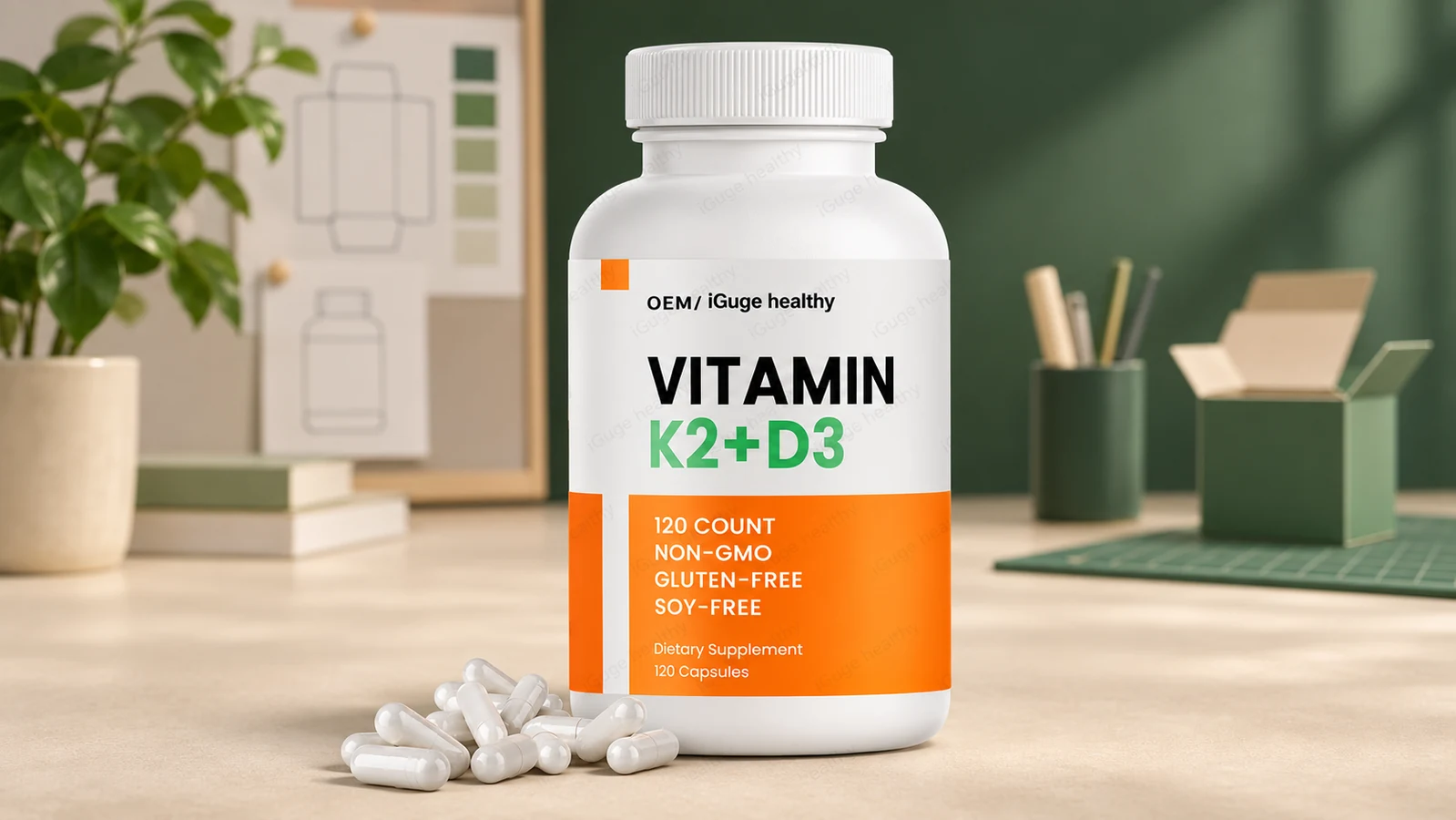
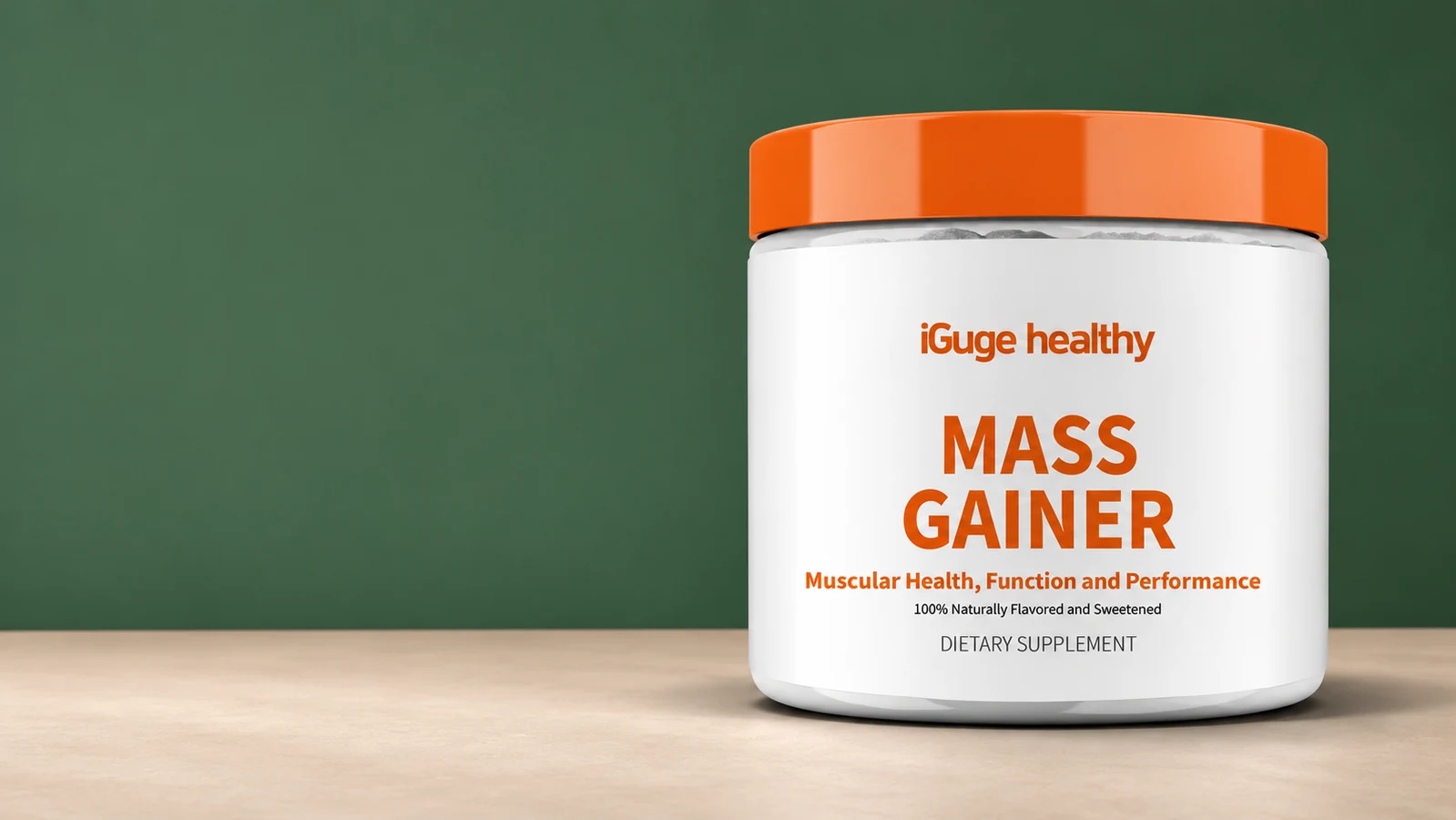
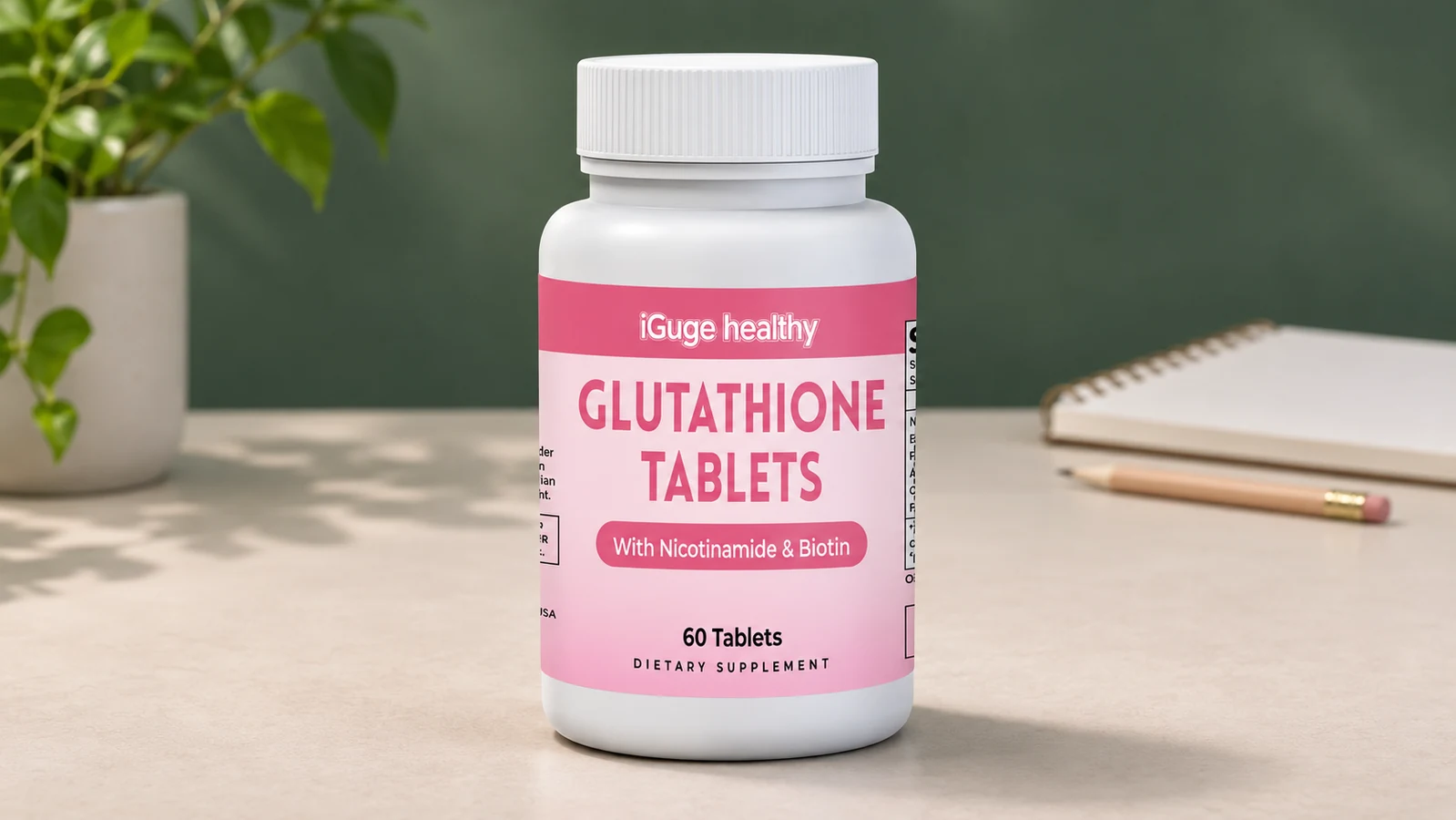
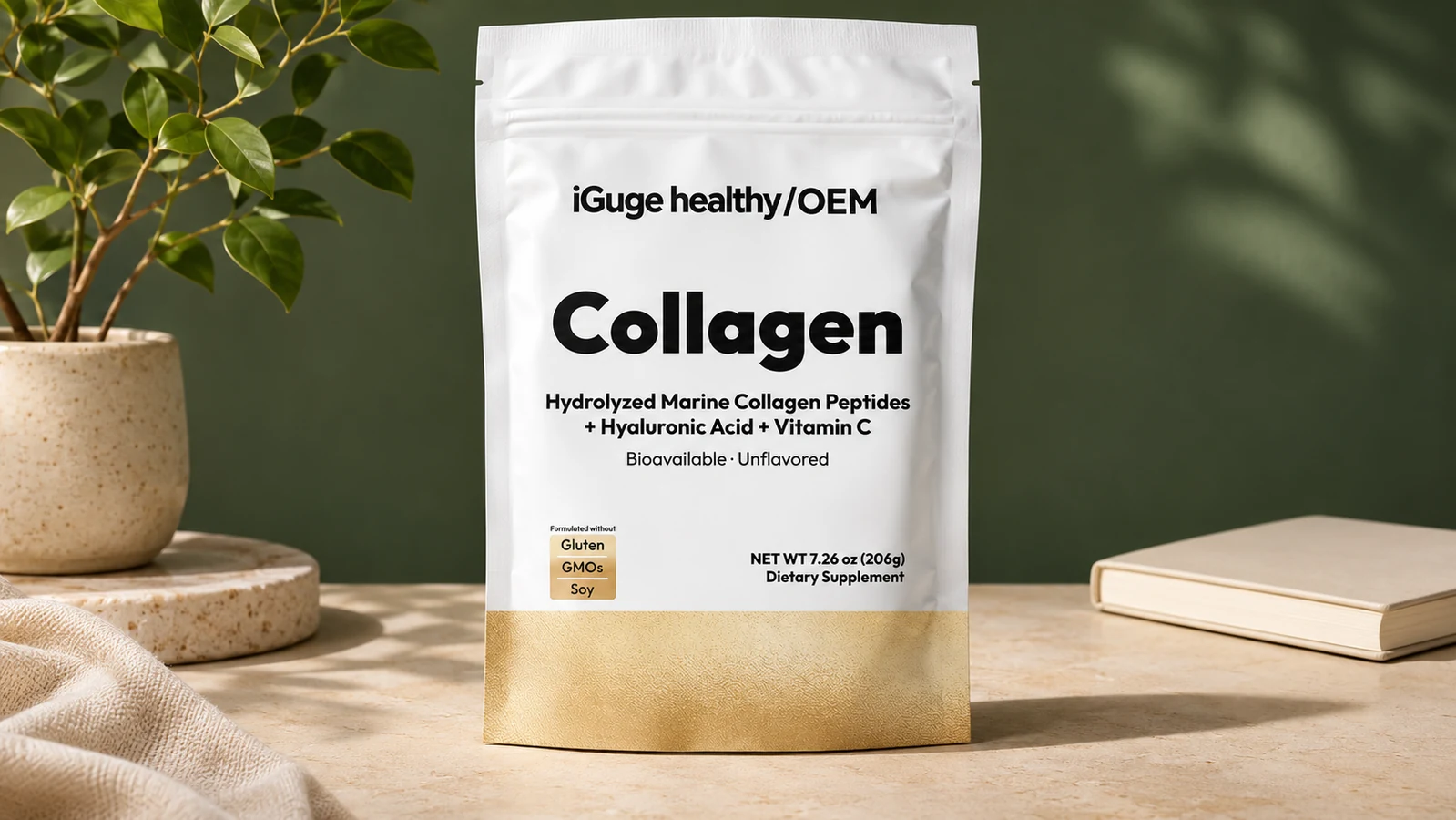
The iGuge healthy catalogue provides powder, capsule, gummy and liquid examples, while its customization service describes private-label, OEM and ODM routes. The powder examples below make the handover decisions concrete. Their visible labels identify those particular examples; they do not establish the formula, claims or commercial terms of a new order.
Define Which Decisions Are Already Fixed
Separate a Starting Formula From a Development Request
An existing product selected for private labeling starts from a different point than a new blend developed from a concept. The first task is to identify what can change: branding only, packaging, flavor, ingredient quantities, serving instructions or the full formulation. The chosen service name is less useful than a written boundary that makes these permissions explicit.
A formula brief should distinguish mandatory requirements from preferences. An excluded ingredient is a constraint; a preferred flavor can be evaluated through samples. A target retail presentation may be flexible until a suitable pack is reviewed. Recording these differences lets the manufacturer explain which requests can be evaluated together and which need a separate development decision.
Give Every Open Question an Owner
Custom Supplement Manufacturing involves technical, artwork and commercial approvals that may be handled by different people. Name the person who can approve each category, the evidence they need and the point at which their decision becomes binding. An unresolved question should remain visibly open rather than being silently converted into a supplier assumption.
For example, a request for an unflavored powder does not say whether mild ingredient taste is acceptable, which mixing method will be used or what appearance is expected after preparation. Those details belong in the working document. A single controlled version is easier to maintain than scattered email replies that contradict an earlier sample instruction.
Make the Formula Identity Specific Enough to Review
Do Not Treat Similar Product Names as Equivalent Formulas
The marine collagen powder example and the separate bovine collagen pouch shown below carry different ingredient descriptions. That difference matters when defining a new project. A shared category name does not make ingredient origin, supporting ingredients, serving quantity or labeling interchangeable.
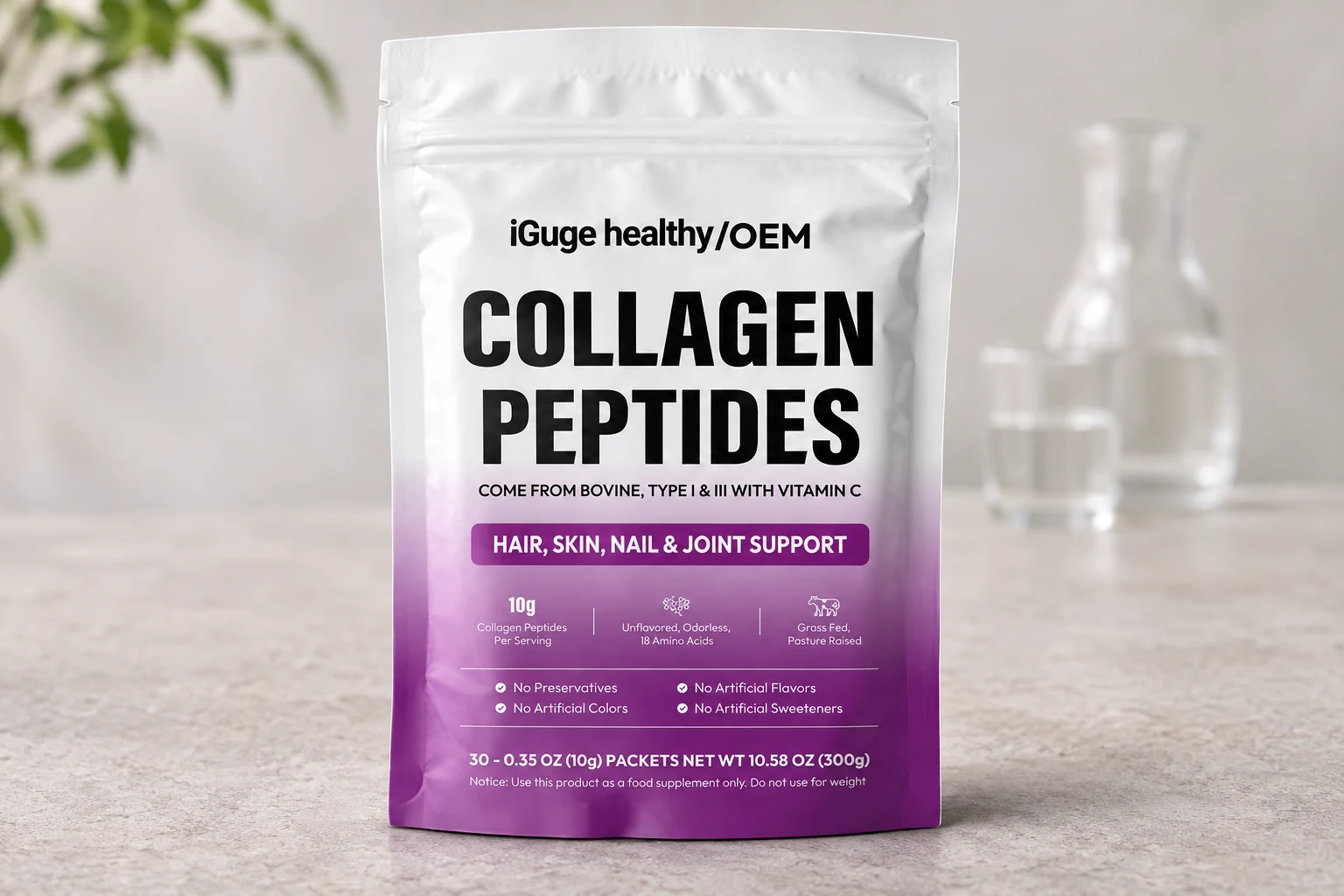
List ingredient identity, intended quantity basis, acceptable alternatives and any required supporting documents. Clarify whether a quantity is stated per serving, per container or per production batch. Do not infer a new product's ingredient list from a photograph, and do not copy a reference label before technical and label review have addressed the actual formulation.
The formula brief should also state which aspects remain to be assessed during development. A request for a particular taste or texture is an evaluation target, not evidence that a proposed combination has already achieved it. Where feasibility is uncertain, request a documented response before treating the concept as production-ready.
Describe the Preparation Experience
For a drink powder, preparation conditions make feedback more useful. Specify the intended liquid, approximate preparation method, serving measure and how the sample will be compared. Describe acceptable sweetness, aroma, aftertaste, dispersibility and visible settling in practical terms. Avoid vague instructions such as “premium taste” that give different reviewers different standards.
Use Sample Approval to Close Specific Questions
Compare the Sample With the Agreed Brief
Sample approval should identify the sample code, version, evaluation conditions, observations and remaining exceptions. A favorable taste comment alone does not approve every element of a formula. Record whether the reviewed sample represents the proposed composition, flavor direction and packaging, or whether some elements are temporary development choices.
Collect feedback in a consistent format. Separate observations from requested changes: “noticeable aftertaste after preparation” describes an observation, while “reduce sweetness” proposes a change. The manufacturer can then explain how the revision may affect the rest of the formula. Conflicting feedback should be reconciled before another version is requested.

Keep a sample approval record with the final decision and any restrictions. If a sample is approved only for taste, say so. If it is intended to become a comparison reference for later work, agree how it will be identified, retained and used. A photograph is helpful for appearance but cannot replace the underlying formula and evaluation record.
| Decision area | What the brief should define | Evidence needed before handover | Reason to reopen the decision |
|---|---|---|---|
| Formula identity | Ingredients, quantity basis and allowed substitutions | Approved version with unresolved items closed | Ingredient replacement or serving change |
| Preparation experience | Mixing conditions and sensory targets | Sample observations and agreed acceptance boundaries | New flavor or preparation method |
| Pack configuration | Material, fill quantity, closure and unit count | Reviewed pack details and matching artwork version | Different pack size, material or accessory |
| Production handover | Current specifications and responsible approvers | Controlled release package and agreed records | Any revision after approval |
The table describes decision records rather than a universal testing program. The actual checks and acceptance boundaries depend on the product, its classification and the agreed manufacturing scope. Each record should be detailed enough to show what was approved, without suggesting that one sample proves every future production outcome.
Approve Packaging as Part of the Product
Align the Container With Its Contents and Instructions
A packaging specification should connect the selected format with fill quantity, closure, serving accessory, unit count and the information needed on the label. A pouch, jar or stick pack changes the preparation experience and the packing requirements. The appearance of a catalogue package alone cannot establish suitability for a different formula.
The customization service description includes several package formats and artwork-related options. Confirm which are available for the specific project and what must be supplied for review. Any minimum quantity, sampling charge or schedule belongs in the project quotation; a number attached to another catalogue example should not be treated as a general commitment.

Build an artwork checklist that matches the approved technical information. Check the product name, ingredient presentation, quantity statement, preparation directions and any required warnings against the final reviewed version. Leave space for applicable coding and traceability information. Claims, mandatory wording and market-specific requirements need appropriate review for the product and destination.
Keep the packaging specification and artwork file linked by version. A corrected ingredient statement should not coexist with an outdated carton file in the release folder. Before approving print, verify that the chosen pack and label dimensions still match. A design proof can confirm layout, but physical fit and material suitability may need separate evidence.
Turn the Approved Concept Into a Production Handover
Request Records That Match the Actual Scope
A production handover should identify the approved formula, packaging, artwork and agreed quality requirements, along with responsibility for any final checks. Ask which records are supplied, what they describe and when they become available. A general company certificate, a material document and a finished-batch record answer different questions and should not be treated as substitutes.
FDA's dietary-supplement manufacturing guidance describes written specifications and master manufacturing records for applicable operations. TGA's listed and complementary medicine guidance addresses documented process validation within its own scope. These are useful reasons to ask how requirements and evidence are controlled; they do not mean every supplement has the same classification or documentation obligations. Applicability needs review for the actual product and destination.

The company background can help establish the service context, but project approval requires more specific evidence. Ask whether a requested document covers the relevant activity, site, material or batch. When a document is unavailable, identify the gap and its effect on the decision instead of replacing it with a broad statement that quality is assured.
Control Changes After the First Approval
Make the Consequences of a Revision Visible
Custom Supplement Manufacturing rarely benefits from an informal “small change” after approval. A different flavor, ingredient source, fill quantity or pack format can require a fresh assessment of connected decisions. The practical question is which records and approvals must be updated, not whether the requested change sounds minor in conversation.
Use a short change record: describe the request, identify affected documents, obtain the manufacturer's assessment and name the required approvers. Update the formula brief when composition or preparation changes. Revisit sample approval where the change affects what was evaluated, and revise artwork or packaging records where the label or physical presentation is affected.
Frequently Asked Questions
Does customization always mean creating a completely new formula?
No. The starting point may be an existing formulation, a defined formula that needs refinement or a concept requiring development. Confirm exactly which elements can change and which services are included before interpreting a private-label, OEM or ODM description.
Can a catalogue label be reused for a new product?
A reference label can help identify questions, but it should not become final artwork without review. The actual ingredients, quantities, directions, claims and applicable requirements need to match the new product. Similar packaging does not establish equivalent composition.
What should happen when reviewers disagree about a sample?
Record each observation under the agreed preparation conditions, reconcile conflicting preferences and issue one prioritized revision request. Keep the previous version identifiable. Approval should state what was accepted and whether any technical or packaging questions remain open.
When should quantity and timing be confirmed?
Discuss them early as planning constraints, then confirm the applicable terms against the approved formula, package and development scope. Ask which approvals or supplied materials start the schedule. Avoid applying the terms of an unrelated catalogue item to a new project.
A useful next step is to send the current formula, sample decisions, pack requirements and open questions through the project contact page, asking which items must be resolved before the proposed manufacturing scope can be confirmed.