Nutrition supplements manufacturers demonstrate repeatable quality through product-specific evidence, traceable production decisions and clear responsibility for release. A polished catalogue or an attractive sample can start a discussion, but neither proves that the next commercial batch will match the agreed product. Evaluation should follow the evidence from the proposed formula and format through production, packaging and delivery.
Define The Manufacturing Scope Before Comparing Companies
Supplier qualification starts by identifying who performs formulation, purchasing, processing, filling and artwork preparation. Map critical steps to the actual site, including subcontractors, so the contracting company and production responsibilities are clear.
Dosage Format Changes The Evidence Needed
A capsule and a gummy can share an ingredient name while creating different process and stability questions. Capsule filling involves fill consistency and the suitability of the powder mixture. A gummy introduces a different matrix, processing conditions and texture requirements. Evidence from one format should not be accepted automatically as proof of capability in another.
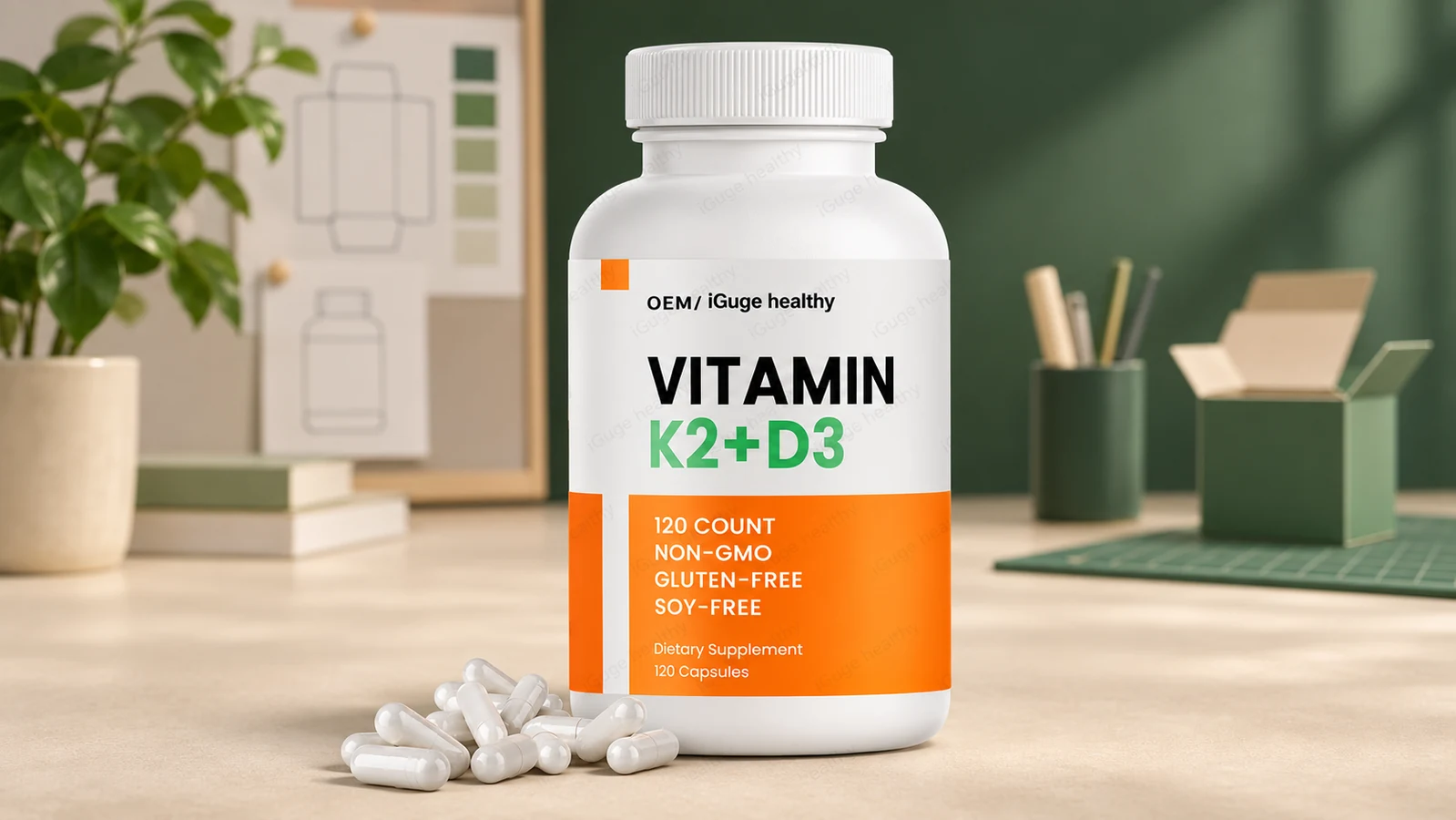
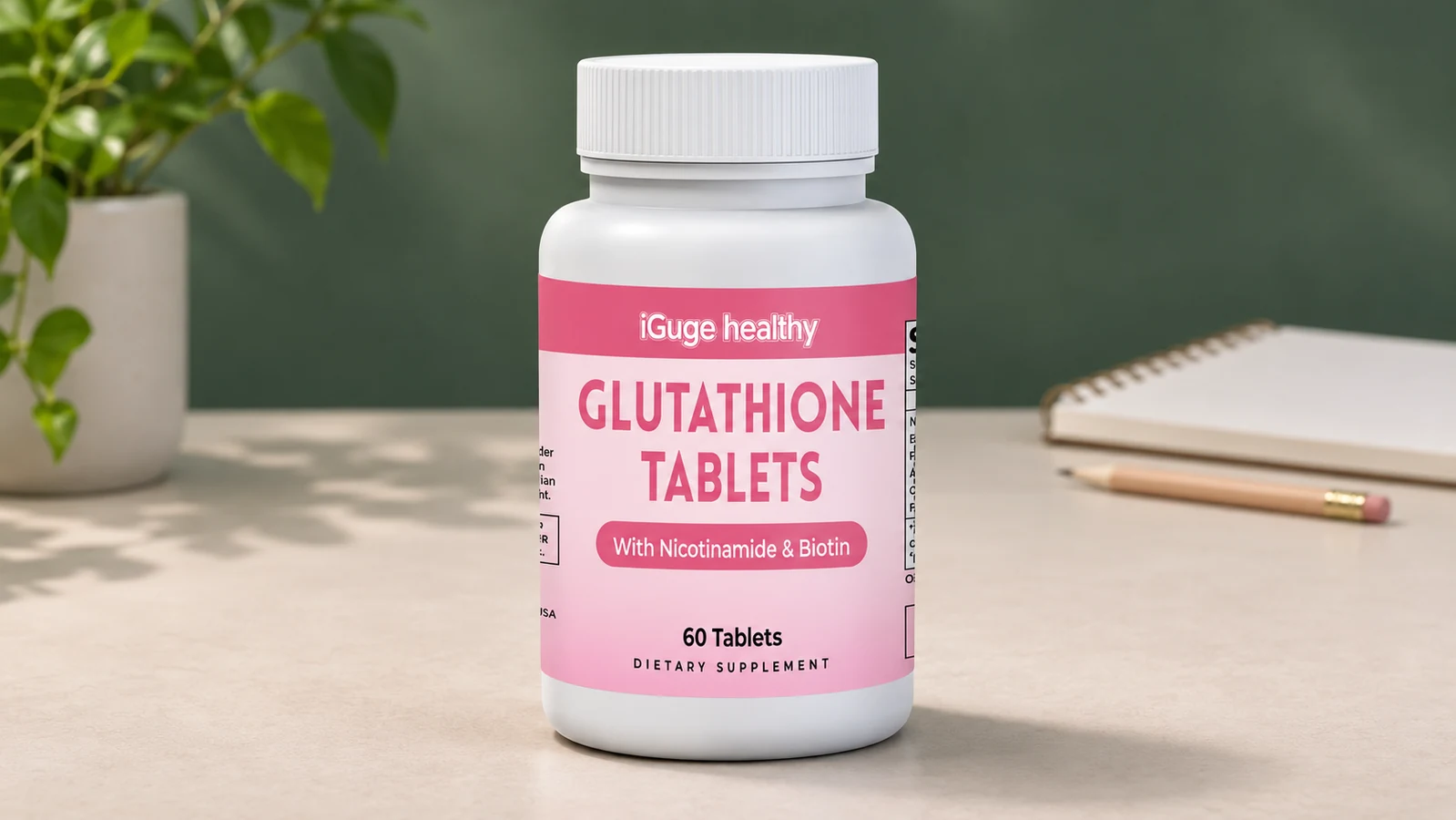
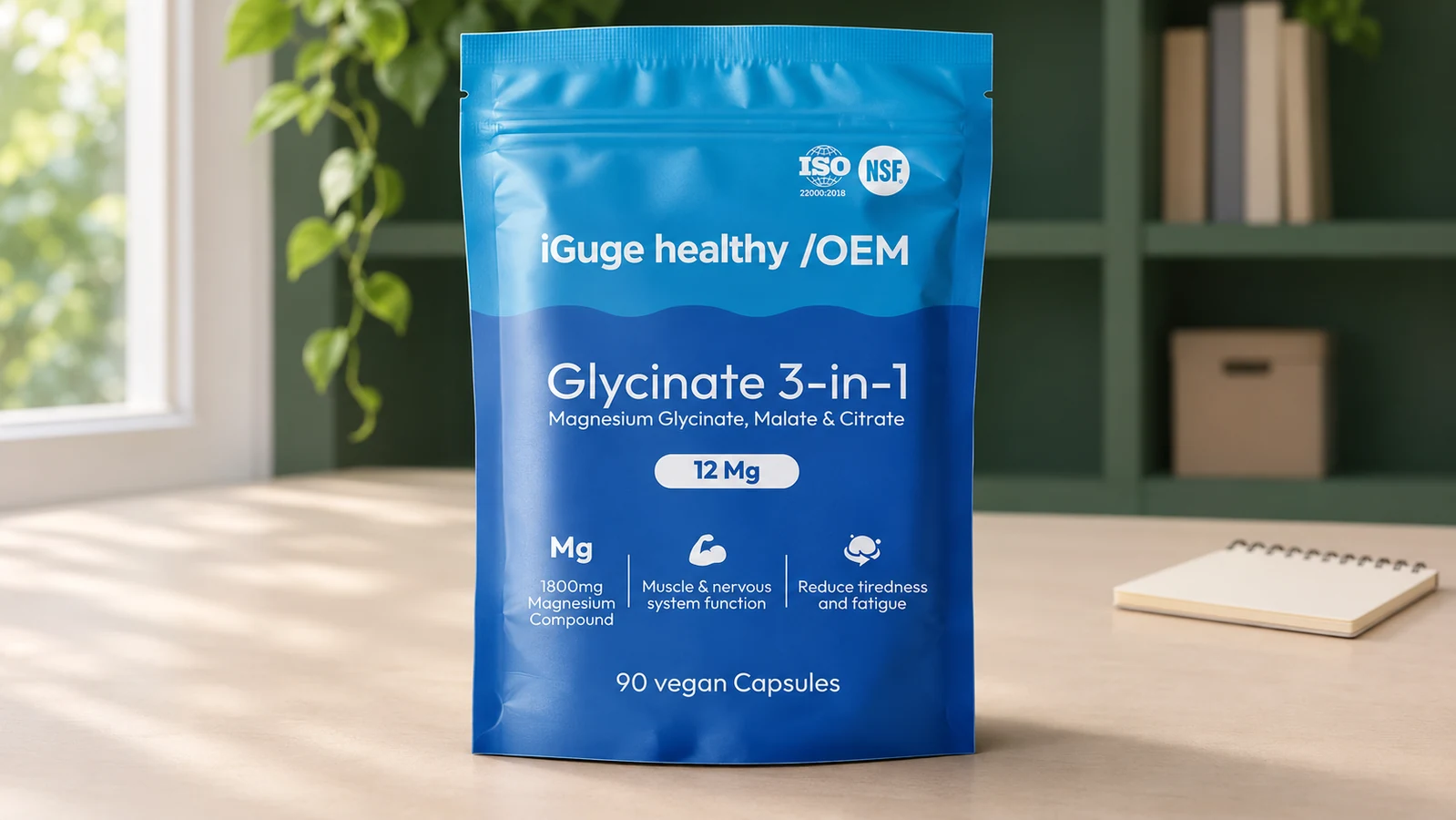
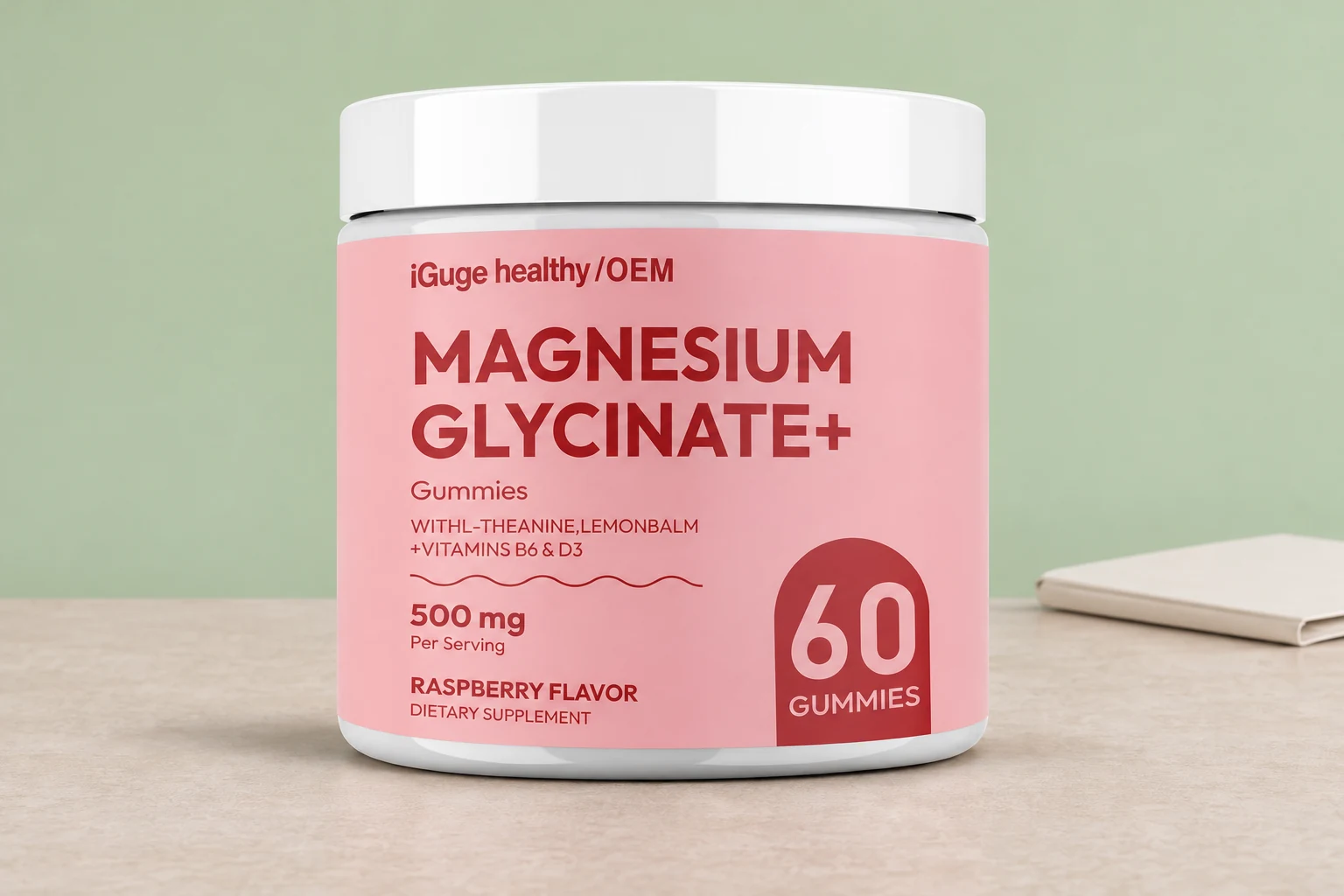
iGuge lists Magnesium Glycinate Complex Capsules and separate gummy products. These provide format examples, not complete quality dossiers. Reconcile formula, serving basis and artwork for the exact order; similar names do not establish interchangeable formulations.
The Contracting Company And The Production Site Must Align
Identify the supplying entity, manufacturing location and release authority, including material external laboratories or packers. For each certificate, check the named entity, address, activity scope and validity. A website logo or example-package mark does not prove the proposed process is covered.
Request A Connected Evidence Set
Connect each document to the product, material, site and version under review. Nutrition supplements manufacturers should explain its scope and unresolved limitations; an authentic but unrelated report may offer little useful evidence.
Read Test Results With Their Product And Method
A test report needs enough context to be meaningful: sample identity, lot reference, test date, method, acceptance criteria and results. The question is not simply whether a document says “pass.” It is whether the analysis addresses the material or finished product being evaluated. Ingredient identity, declared composition and contamination controls can require different forms of evidence.
FDA's dietary-supplement CGMP guide describes responsibilities for specifications, appropriate testing, quality-control review and production documentation. Its supplier-certificate provisions do not make every supplier certificate self-validating. This background helps frame questions; it does not establish that any named manufacturer complies. The actual facility, product and records still require a qualified review.
| Evidence Item | What To Check | What It Does Not Prove Alone |
|---|---|---|
| Product specification | Approved formula, format, serving basis and version | That a commercial batch met the specification |
| Material test report | Identity, lot, method, limits and actual results | That every later delivery is equivalent |
| Manufacturing scope document | Named site and the operations it performs | Approval for every market or product category |
| Sample evaluation record | Sample code, agreed criteria and recorded observations | Repeatability at commercial production scale |
| Batch records | Material lots, processing entries, deviations and approvals | Suitability beyond their product and version scope |
| Packaging specification | Container, closure, label version and traceability fields | Unqualified shelf life in every transport condition |
| Change procedure | Notification triggers, assessment and approval authority | That an unreported substitution never occurred |
Make Document Gaps Visible
Classify evidence as reviewed, unresolved or not supplied. A missing attachment remains a gap. If confidentiality limits access, agree what redacted records, independent review or supervised inspection can establish. Confidentiality changes the review route, not the need for relevant evidence.

Separate Sample Approval From Production Repeatability
A sample shows only what was assessed, such as presentation, taste or format. It does not prove repeatability across commercial runs. Connect approval to controlled documents, material choices and the actual production process.
Approve Against Written Criteria
Record the sample code and the exact criteria used to accept it. Sensory observations should be described consistently, while measurable attributes need suitable methods and limits. Keep a reference sample where appropriate and define how differences will be assessed. An email saying that a sample “looks good” leaves too much ambiguity when a later shipment is disputed.
For a magnesium product, clarify whether a declared quantity refers to a compound, elemental magnesium, a serving or a unit. This is a specification question, not a conclusion to draw from the front of an example package. The vitamin and mineral product range provides possible discussion subjects, but each chosen item needs its own agreed declaration and supporting evidence.
Ask How Scale-Up Is Evaluated
Moving from a development sample to a production run can change mixing, hold times, filling behavior and packaging throughput. The manufacturer should explain which factors are assessed and what evidence supports the chosen process. The review should focus on the actual dosage format, ingredients and equipment, rather than assuming that a successful small sample transfers unchanged to every line.

Examine Change Control Before A Change Occurs
Change control protects the meaning of an approved specification after the first order. Ingredient source, processing site, test method, capsule shell, flavor system or packaging material can change for practical reasons. The key issue is whether a proposed change is identified, evaluated and approved by the right parties before it affects supplied goods.
Specify Which Changes Require Notification
The agreement should define notification triggers with enough detail to be usable. “Equivalent material” is not a complete rule if the equivalence criteria are missing. A material change may affect composition, handling, analytical testing or the finished product's behavior. Some changes need additional review or testing; the required response depends on the product and the nature of the modification.
iGuge's customization service information frames formula, format and packaging options. Approved choices need a controlled version so later samples, artwork and production instructions remain aligned.
Test The Escalation Route With A Concrete Scenario
Ask what happens if an ingredient delivery fails a check shortly before production. The answer should identify containment, review authority, communication and disposition before discussing substitution. A hypothetical scenario tests shared understanding without exposing another client's confidential records.
Nutrition supplements manufacturers should identify who can stop a batch, authorize rework and approve a change. Record these responsibilities before a problem arises; shipment urgency does not resolve a specification discrepancy.
Follow The Released Product Into Its Package
Packaging belongs in the product specification. Confirm container, closure, label version and lot identification alongside the formula, especially when multiple SKUs share a packing area.
Traceability links material lots, batch records, finished goods and dispatch records. Check label separation, quantity reconciliation and external-packer handovers so company boundaries do not create gaps in the product history.

Record storage and transport assumptions for the actual formulation and package. An assigned shelf life needs relevant support; a similar-looking bottle is insufficient. Agree how damage, suspected mix-ups and transport concerns are reported after dispatch.
Turn Findings Into A Conditional Supplier Decision
Supplier qualification should produce an explicit decision with any remaining conditions. Compare the same evidence categories across companies and record the basis for each conclusion without inventing ranks or suggesting a website has been independently audited.
TGA's guidance on assessing suppliers and materials emphasizes risk-based assessment and relevant information about material manufacture and quality systems. It is useful background when discussing complementary-medicine supply. Market classification, applicable obligations and the acceptable evidence route must still be confirmed for the actual product; a general overseas manufacturing claim is not a substitute for that determination.
- Confirm the exact product and dosage format, including unresolved differences between page descriptions and sample artwork.
- Match the supplier entity and manufacturing location to the activities under review.
- Close critical evidence gaps before treating a sample or commercial quote as approval to proceed.
- Record the agreed process for substitutions, deviations and complaint escalation.
- Define the conditions that would trigger reassessment, such as a site move, material change or repeated quality issue.
The company background page identifies follow-up questions. Product-specific evidence supports the actual decision, which may approve a defined scope or leave development conditional on closing named gaps.
Frequently Asked Questions
Does A Good Sample Establish A Reliable Manufacturer?
It establishes only what was assessed for that sample. Reliability also depends on how the agreed product is documented, produced, released and maintained across later orders. Link the accepted sample to a controlled specification and request evidence that addresses the commercial process.
Is A Certificate Enough To Approve A Supplier?
No. Check the document's authenticity, validity, named entity, address and activity scope. Then assess the product-specific evidence that the document does not cover. A certificate or a printed mark cannot by itself establish the suitability of a particular formula, batch or market route.
Can A Capsule Evaluation Be Used For Gummies?
Some company-level information may remain relevant, but the dosage formats require different technical review. Ingredients, process conditions, physical behavior and packaging assumptions can differ. The gummy specification and its supporting evidence should be assessed on their own terms.
What If The Product Page And Sample Label Disagree?
Keep the discrepancy open and request a reconciled specification and approved artwork. Neither version should be silently treated as authoritative. Identify which formulation and serving basis the proposed order will use before comparing test reports or approving the sample.
Which Supplier Response Is Most Useful During A Problem?
A response that identifies the affected lot, contains the issue, assigns review responsibility and explains the evidence needed for a decision is more useful than a vague assurance. Timely communication matters, but it should accompany a documented investigation and disposition.
For a specific iGuge product discussion, send the dosage format, proposed ingredient declaration, package type and unresolved evidence questions through the product inquiry form. Request a reconciled specification and the applicable quality-document scope before comparing samples or committing to production.