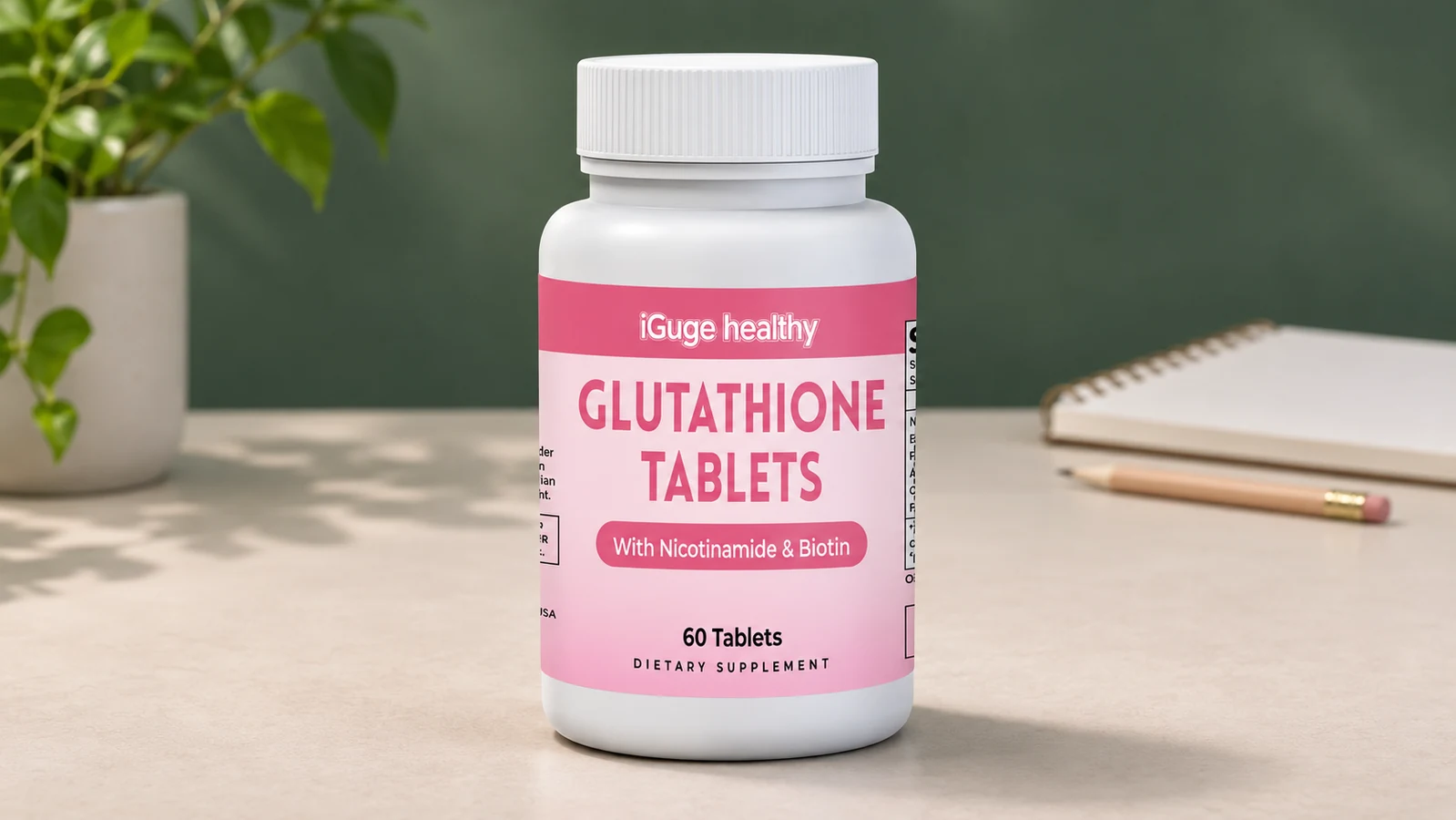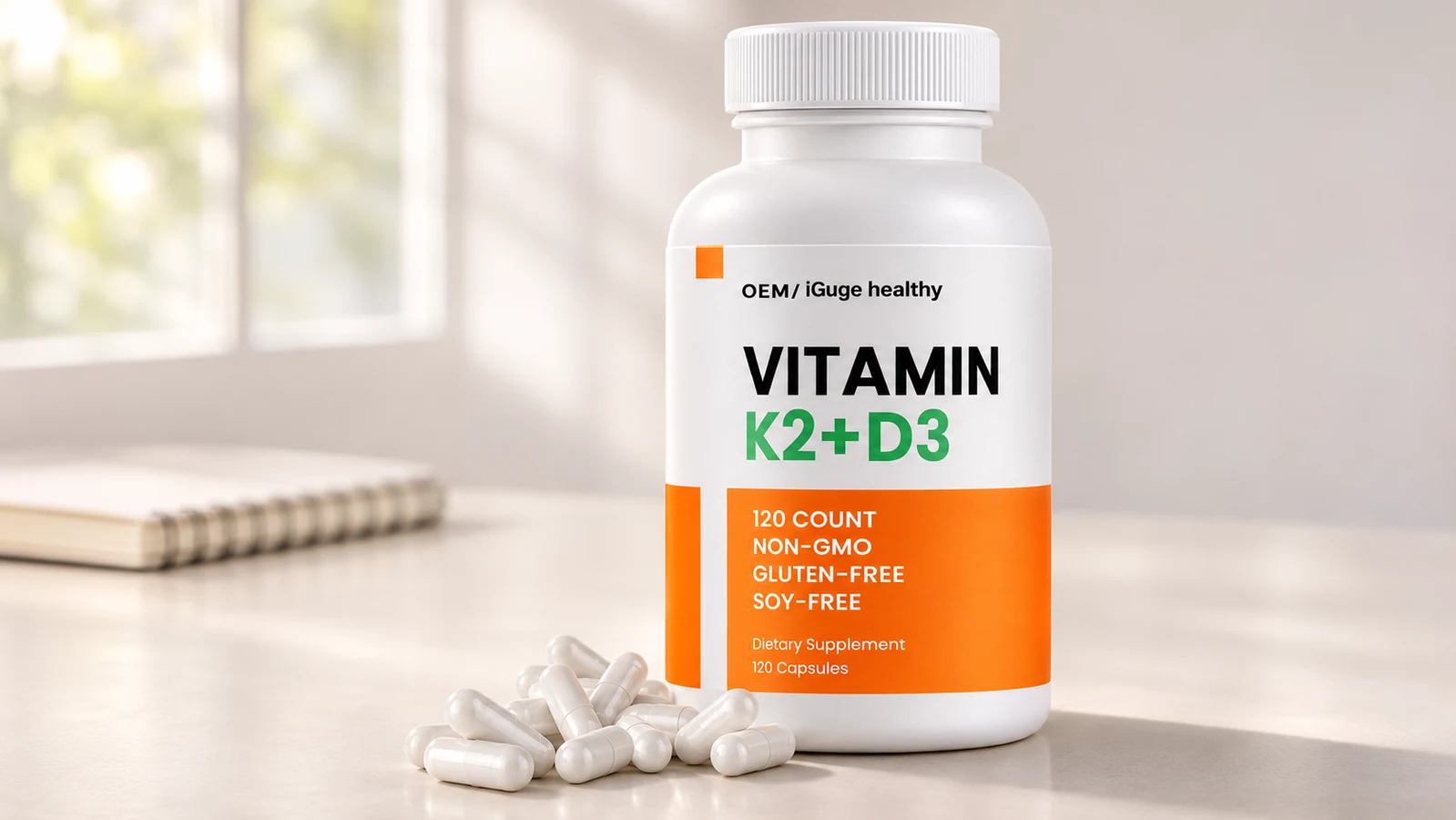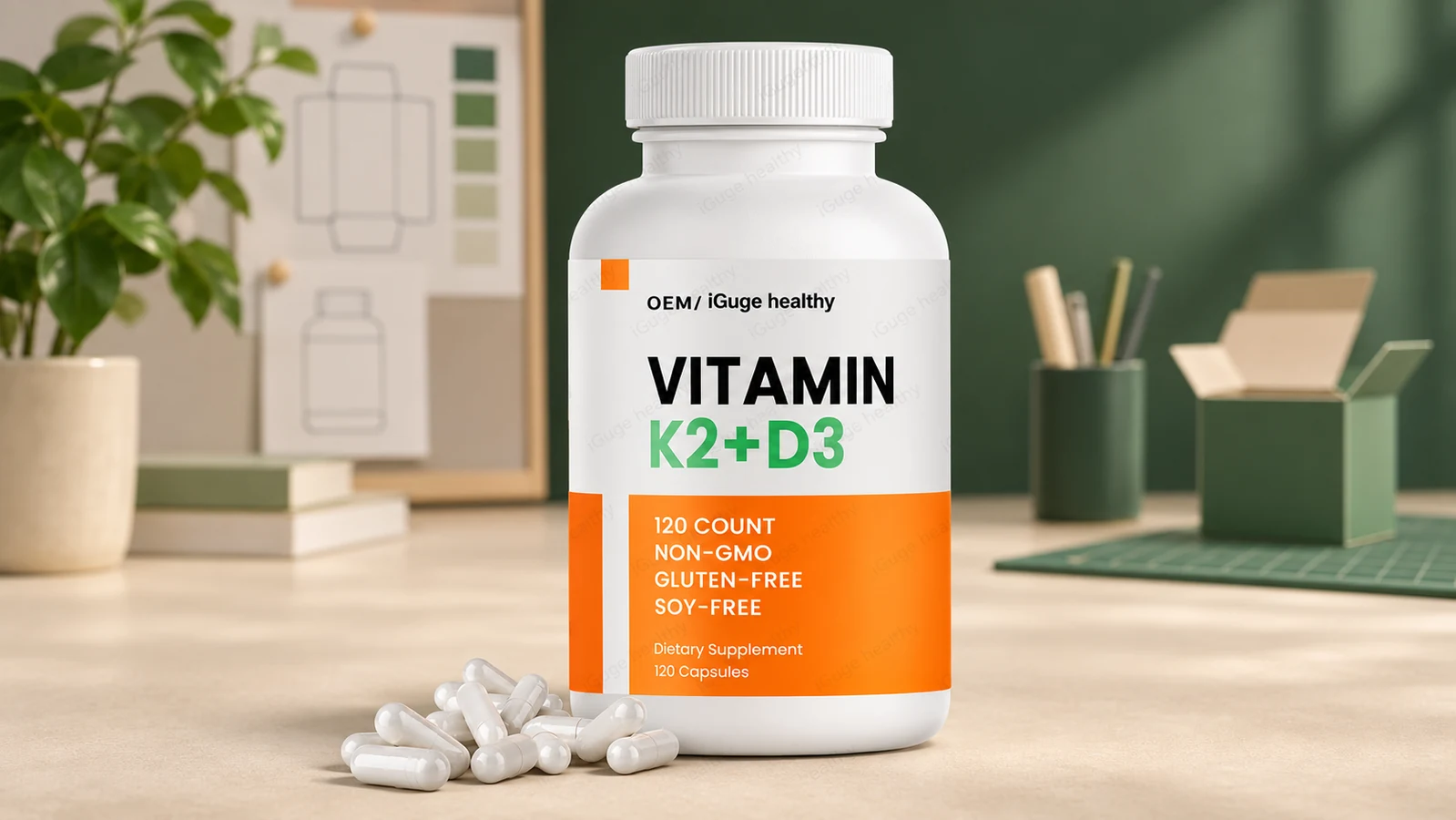
White label supplements can use an established formula while changing brand presentation, provided each change stays within an agreed technical and regulatory scope. A new logo may leave the contents unchanged; a new serving size, flavor or bottle material may require further work. Vitamin capsules and multivitamin gummies provide useful examples of how to separate those decisions before approving an order.
Start With A Defined Formula Rather Than A Product Name
A familiar name is not a complete specification. Two products called a multivitamin can differ in ingredient forms, amounts, excipients and daily directions. Before discussing customization, identify the exact version being offered, the dosage form and the documents that describe it. The term white label describes a commercial arrangement; it does not establish what a supplier has already validated.
A Stock Formula Needs A Version And A Specification
A stock formula should refer to an identifiable composition, not a collection of interchangeable ingredients. Ask which formula revision the quotation covers, what the finished product specification controls and which changes require a new review. The specification may address identity, composition and other agreed quality attributes. Its acceptance criteria need to apply to the actual product ordered, rather than a similar item displayed elsewhere in the catalogue.
The vitamin and dietary supplement catalogue helps identify relevant formats. A listing shows an offered example, not guaranteed inventory or a reserved production slot. Confirm whether the proposed composition is an established option, a modified version or a development project. That distinction determines which existing records are relevant and which assumptions still need supporting evidence.
Dosage Form Is Part Of The Product Definition
A capsule, gummy and liquid containing a similarly named nutrient are not interchangeable formats. Each has its own composition, processing and packaging considerations. Even a capsule-shell change can affect materials and declarations. A gummy flavor change can introduce different ingredients and alter sensory or processing behavior. Treat these as technical changes to assess, rather than assuming they fall within a cosmetic branding allowance.
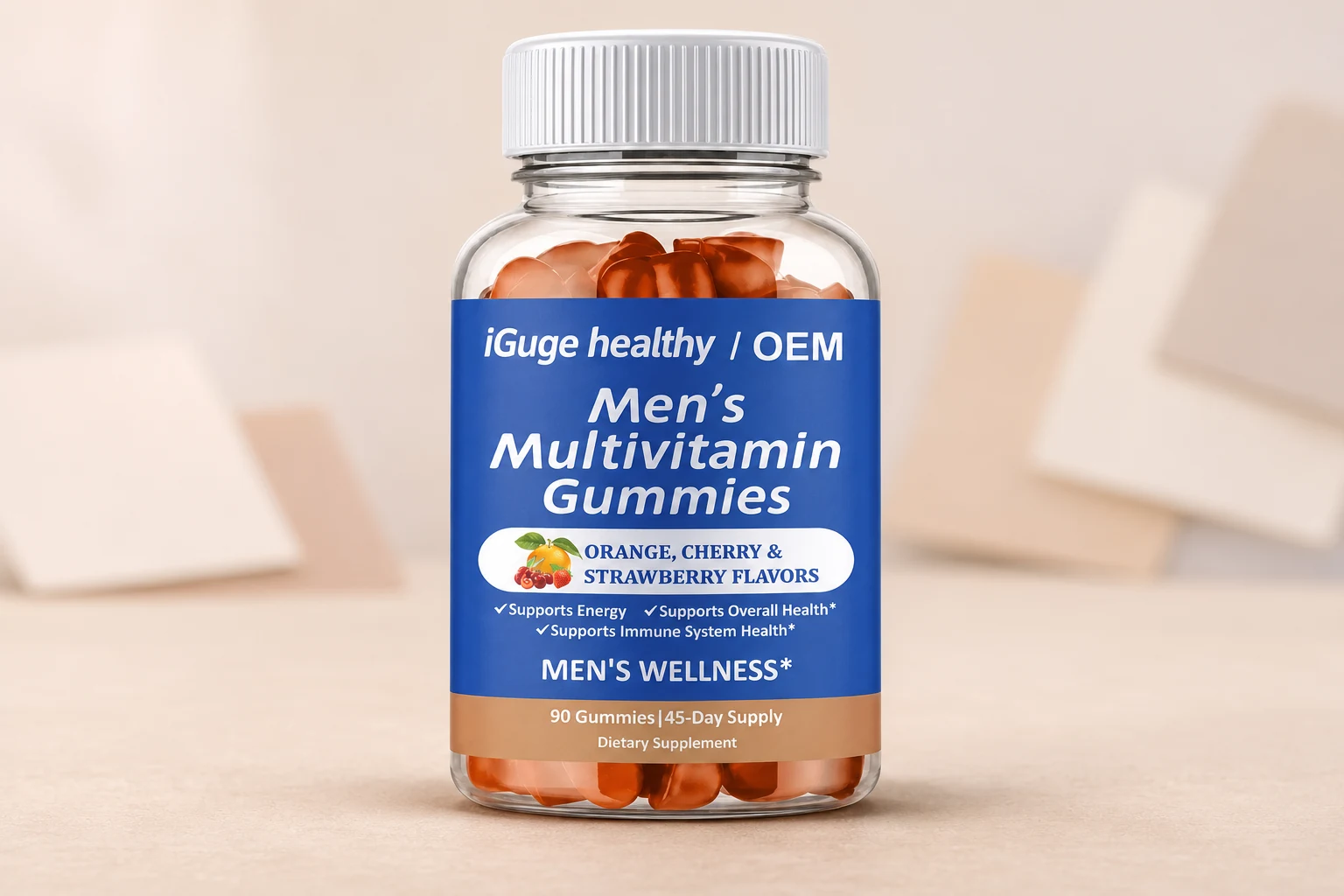
Separate Artwork Choices From Product Claims
Artwork approval connects commercial and technical decisions. Distinguish decorative choices from controlled ingredient names, quantities and directions before designing the label.
Brand Presentation Can Change Without Changing Contents
A logo, color palette or decorative pattern can often change while the formula remains the same. That does not make the resulting label ready to print. The artwork must still fit the confirmed dieline, preserve required information and remain readable on the actual container. Review the rendered proof at its printed size, including seams, curved surfaces and areas obscured by a closure or shrink sleeve.
For a simple reference, the vitamin K2 and D3 capsule presentation separates a visible bottle format from the wording printed on it. Changing that artwork does not independently change capsule count or ingredient content. Nor does the existing image demonstrate that every statement is appropriate for a different market. Each new presentation needs its own approved text and packaging specification.
New Wording Can Create A Different Review Obligation
A revised product benefit, target user or direction of use can change the meaning of the offer even when the contents stay fixed. Do not infer that a phrase is supported because another brand uses it. Assign an owner to check the evidence and applicable rules before including it in label artwork. The same discipline should extend to product-page copy, advertisements and sales documents so they do not contradict the approved presentation.
For the United States, FDA's dietary supplement labeling guide identifies core label information such as product identity, quantity, nutrition information, ingredients and the responsible business. The practical implication is to preserve space for the applicable required information before finalizing the design. This guide is a starting reference, not a determination that a specific label, formula or claim is compliant.

Packaging Changes May Need Technical Evidence
A container is more than a visual surface. It holds the product through filling, transport, storage and use. An unchanged formula does not automatically establish packaging compatibility with a different bottle, closure or liner. Identify the exact proposed change and ask which existing evidence still applies.
Count And Container Size Must Be Considered Together
A larger count can require more container volume, a revised fill process and different label statements. A smaller count may create more headspace in the same bottle. Those changes can affect packing configuration and handling even when the unit formulation is unchanged. The team should agree the actual count, container drawing, closure and tamper-evidence arrangement before generating a final proof or booking packaging materials.
A magnesium capsule configuration should therefore be treated as its own package specification. Its suitability cannot be inferred from the appearance of a vitamin or gummy bottle. When a supplier proposes a substitute container, request the material and dimensional differences in writing and establish who decides whether further checks are necessary.
Material Substitution Is Not Merely A Color Change
Changing a bottle resin, closure system, liner or pouch construction may alter how the packaged product behaves. The required assessment depends on the product and change; it should not be reduced to a universal test list. Confirm the proposed material specifications, the supplier's rationale and the evidence used to support the intended storage period. Avoid presenting an old stability summary as proof for a package it did not cover.
Packaging compatibility also includes filling and labeling. Similar-looking containers can behave differently on the line. A representative trial should have a recorded scope and acceptance criteria; an appearance check alone cannot establish shelf life.
Classify The Change Before Agreeing The Work
The table below is a decision aid for white label supplements using established vitamin or mineral examples. It distinguishes the nature of a request from the evidence needed to approve it. The final scope depends on the actual product, market and supplier agreement; the table does not promise that any listed modification is available without extra cost or time.
| Proposed Change | Formula Implication | Review Before Approval | Document To Identify |
|---|---|---|---|
| Logo or decorative colors | Contents may remain unchanged | Readability, dieline and required information | Approved artwork revision |
| Benefit wording or daily directions | Composition may stay fixed, meaning may change | Evidence, classification and market-specific wording | Approved text and rationale |
| Capsule or gummy count | Unit formula may remain unchanged | Container volume, declarations and filling configuration | Pack specification |
| New bottle or closure material | Formula unchanged is not sufficient | Compatibility and applicability of existing evidence | Material and package change assessment |
| Flavor, sweetener or shell substitution | Composition or process may change | Ingredient declarations and technical suitability | Revised formula and test plan |
| Different nutrient amount | Changes the defined composition | Development, specifications and permitted presentation | New controlled formula revision |
Keep Quality Responsibilities Attached To The Actual Order
An established product still needs order-specific responsibilities. Agree who supplies information, reviews documents and authorizes each stage.
Samples Answer Defined Questions
A sample may demonstrate appearance, taste, dimensions or another agreed attribute. It should be identified by formula and packaging version so the reviewer knows what it represents. If the sample uses temporary packaging, record that limitation. Approving its appearance should not be interpreted as accepting a different commercial package or waiving outstanding analytical and documentation requirements.
When the broader product catalogue suggests an alternative, compare specifications and serving directions. Keep the original request and proposed changes together rather than choosing by photograph.
Market Review Remains A Separate Decision
Manufacturing an item and being able to supply it into a particular market are distinct questions. Determine the applicable product category and responsible parties for each intended destination. A label used in one jurisdiction should not be assumed suitable elsewhere. The manufacturer's available documents can support the review, but the person responsible for market placement needs to confirm what is required for the actual product.
For Australian listed medicines, TGA describes compliance reviews that can request labels, finished-product specifications, manufacturing formula and evidence supporting indications. These are connected records, not independent marketing attachments. A change to one may require reviewing the others. Whether a proposed supplement belongs in that regulatory category must be assessed separately; a catalogue example does not decide it.

Release A Matched Set Of Documents And Materials
Before production release, confirm that the purchase order, formula, pack specification and approved artwork all describe the same version. Check who can authorize substitutions and how changes will be communicated. If a material becomes unavailable, the agreed process should require an assessment before replacement rather than relying on a verbal assurance that it is equivalent.
The company and manufacturing overview introduces the supplier. The order documents should define included work, current quantities and lead times for the actual configuration.

Frequently Asked Questions
Does White Label Mean The Product Is Ready To Ship?
Not necessarily. An established formula may still need production, packaging procurement, artwork approval and market review. Confirm actual availability and remaining work with the supplier. A catalogue listing alone does not establish finished inventory or delivery timing.
Can A Brand Replace The Label Without Further Review?
A visual redesign may leave the contents unchanged, but the final text, required information and print fit still need review. New claims or directions deserve separate attention. Approval should identify the exact artwork revision and package to which it applies.
Does Changing Flavor Still Count As The Same Formula?
It may change ingredients and processing behavior, so it should be assessed as a technical modification. The supplier should identify the proposed composition and any consequences for specifications, declarations or supporting evidence before confirming the development scope.
Can One Package Be Used For Different Products?
A shared container may be possible, but suitability must be established for each relevant product and configuration. Similar appearance does not prove compatibility. Confirm the materials, filling requirements and evidence supporting the intended package and storage conditions.
The practical advantage of white label supplements comes from reusing a defined, supported starting point. Preserve that advantage by keeping formula, artwork and packaging decisions distinct, then reconnecting them through controlled versions and documented approval. The result is a clearer scope for both the initial order and any later change.