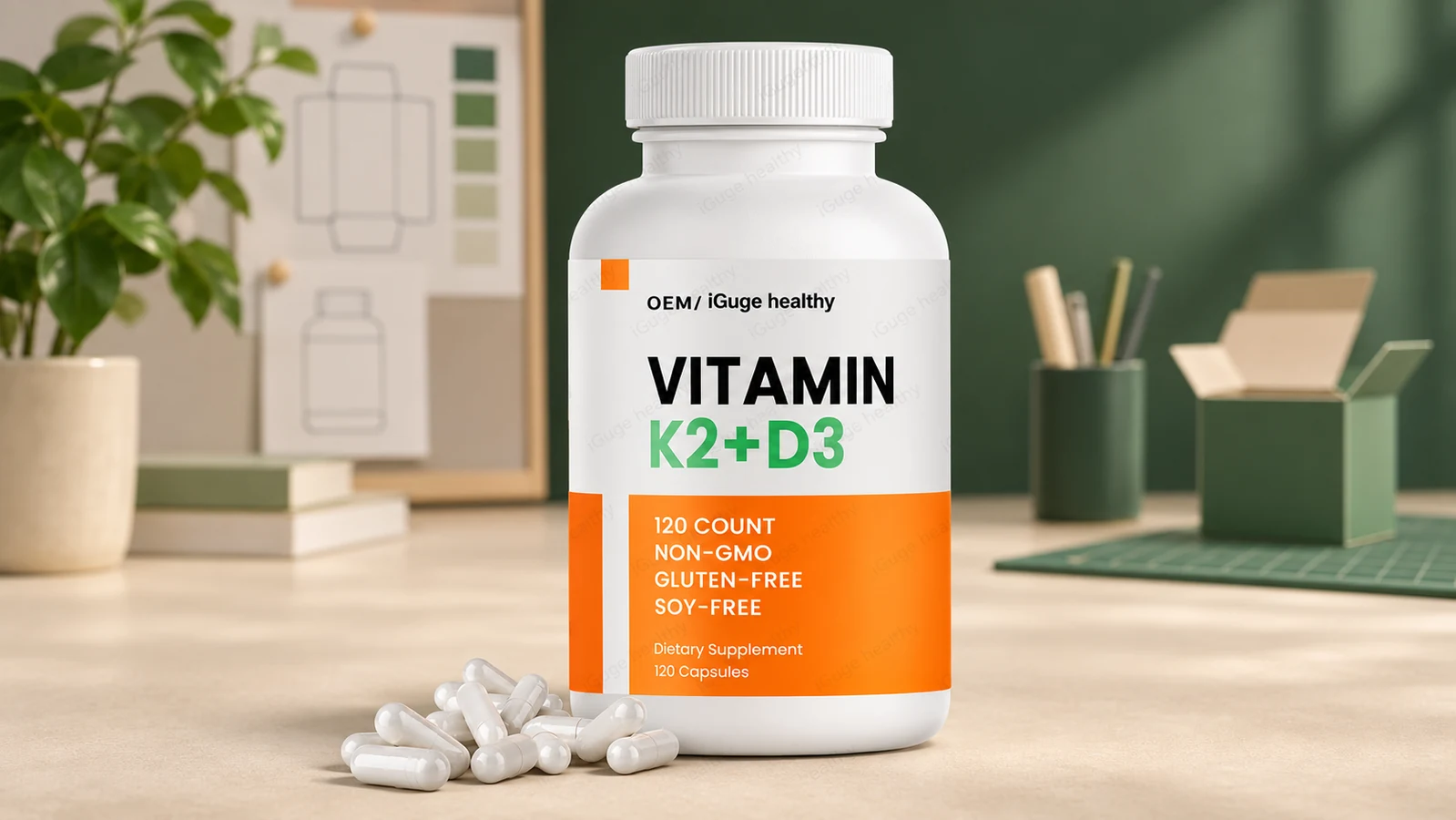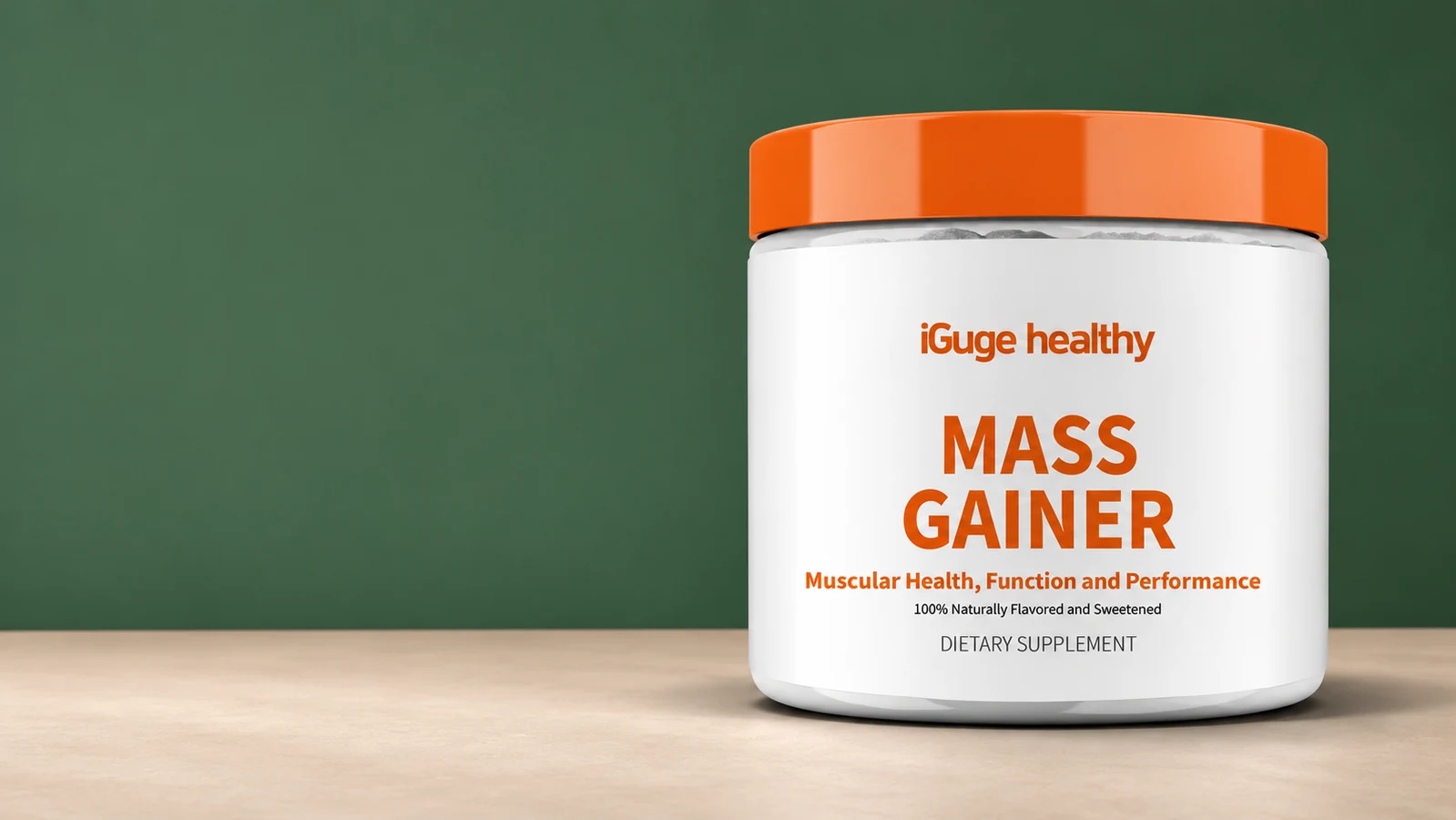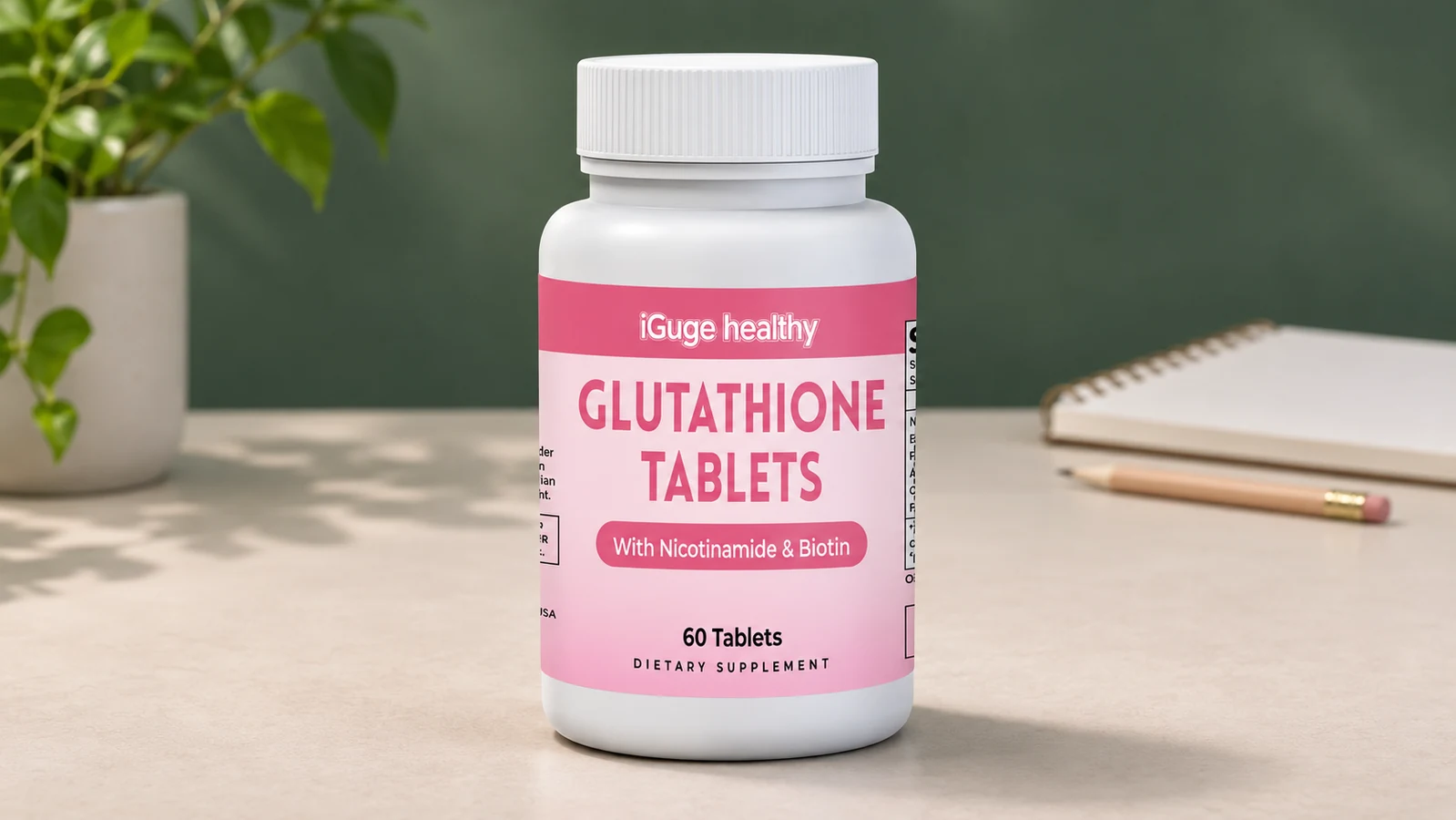
Evaluating sports nutrition supplement manufacturers starts with records that connect the proposed product to its ingredients, production controls and released batches. A catalogue can identify a relevant format, but a supplier decision needs evidence for the particular formula, facility and destination market. The useful question is whether the supplier can explain how the quoted product will remain identifiable, controlled and consistent from the approved sample through repeat orders.
Start With A Product Definition That Can Be Verified
A supplier cannot provide a meaningful evidence package against an undefined product. The buyer should first identify the intended format, ingredient list, proposed serving, pack size and destination. A powder tub, electrolyte tablet and gummy may sit in the same sports nutrition portfolio while requiring different processing and packaging controls. Evaluation should follow the exact product under discussion, including the manufacturing site and any outsourced operations.
Connect The Catalogue Example To The Proposed SKU
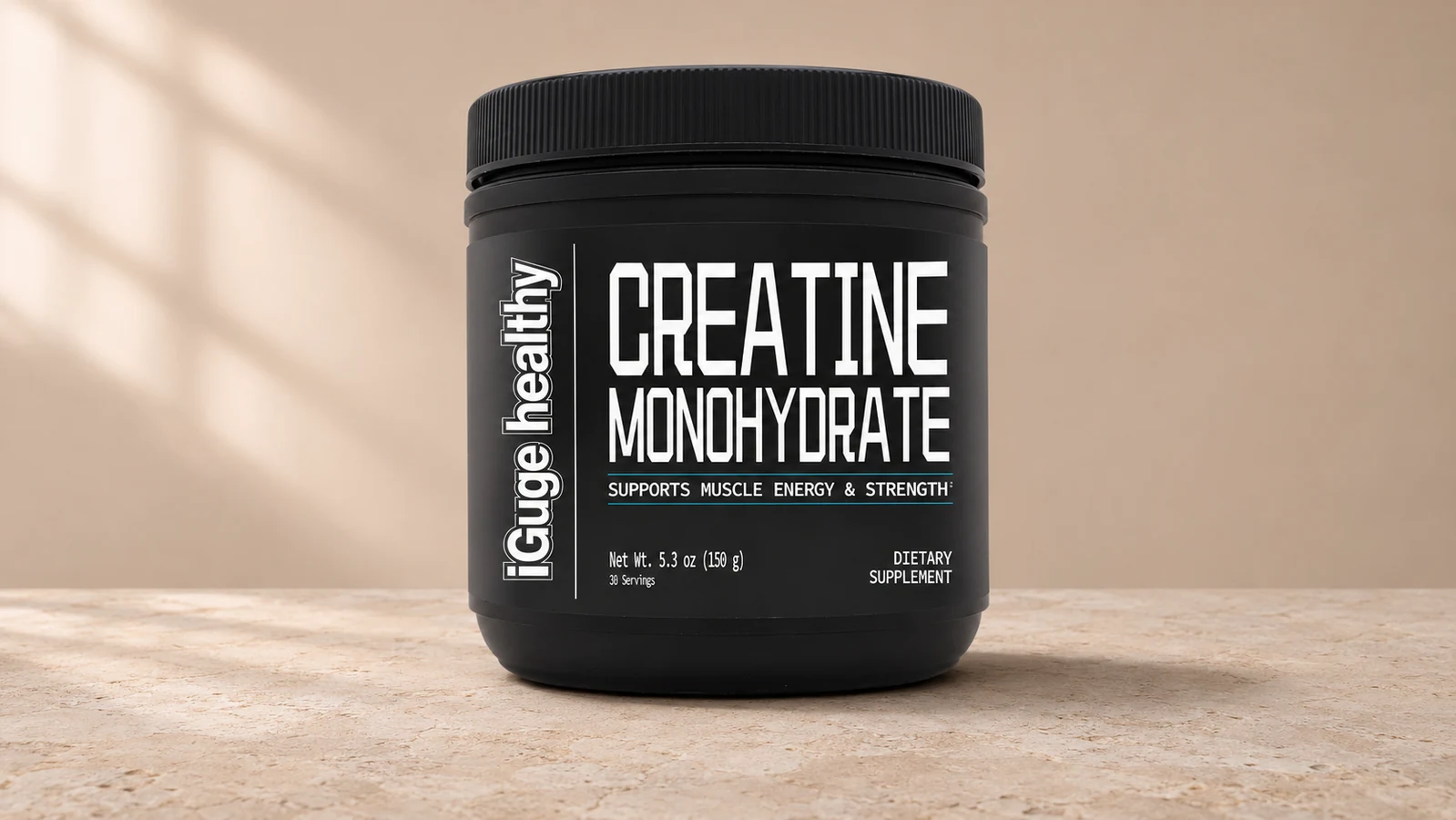
The iGuge healthy creatine monohydrate powder example illustrates a recognisable sports nutrition format. Its reference packaging does not establish the composition, label approval or commercial terms of a future private label order. The quotation should name the agreed formula revision and packaging configuration. If the proposal differs from the pictured product, those differences belong in the controlled specification.
Identify Which Organisation Performs Each Operation
Ask which legal entity supplies the goods, where blending or tableting occurs, who packs the product and which laboratory performs the agreed analyses. The answers should connect to the documents provided. A trading company can coordinate production, but the buyer still needs a clear route to the responsible manufacturing and quality contacts. When another facility performs a critical operation, record its scope and how changes to that arrangement will be communicated.
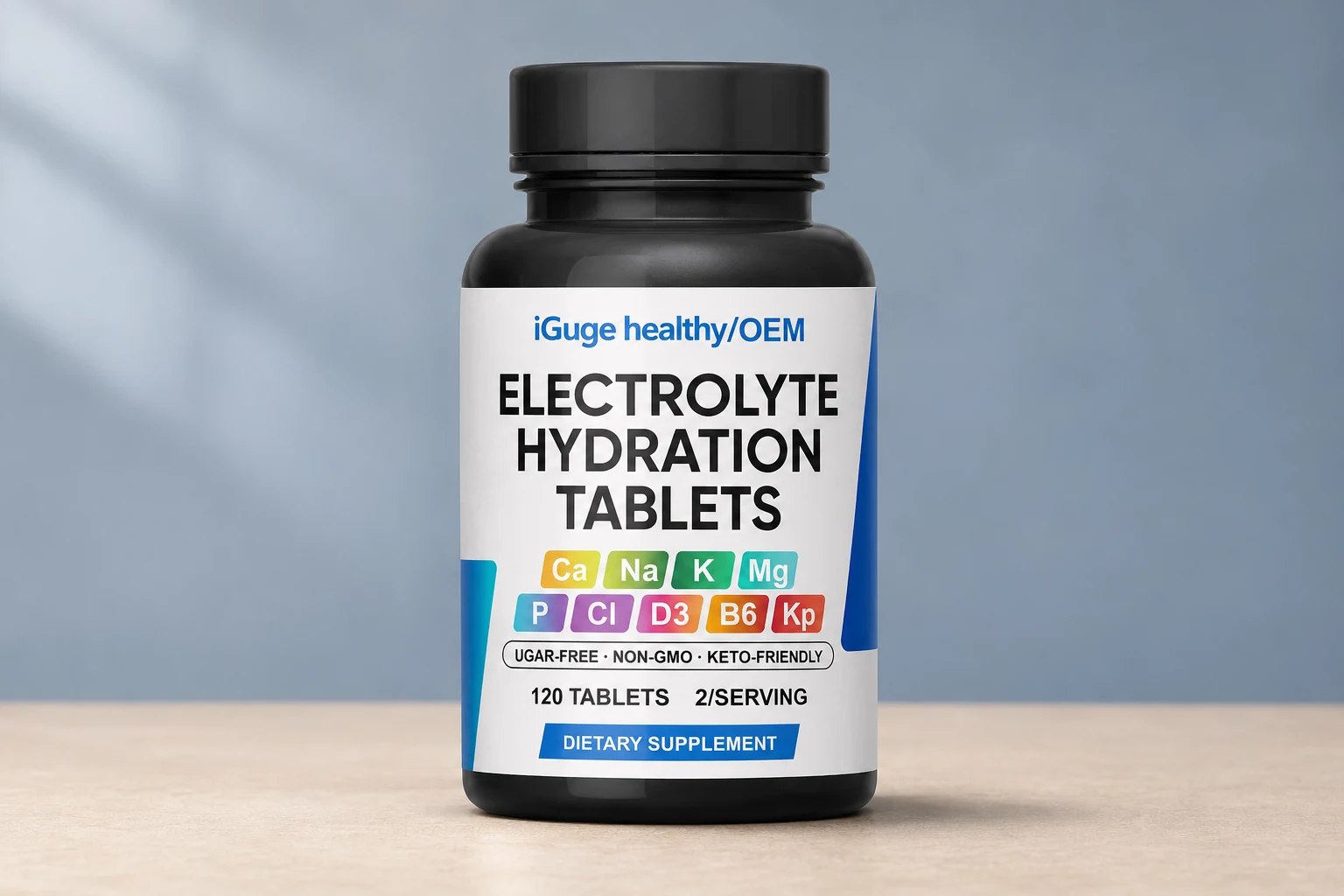
The electrolyte hydration tablet example shows why this distinction matters. A bottle image identifies a presentation; it cannot confirm the current tablet formulation, release criteria or suitability of its wording for a particular market. A buyer evaluating that format should request the current specification and proposed artwork together, so the product definition can be checked across both records.
Follow Ingredient Evidence Into The Finished Batch
Review Ingredient Identity Separately From Marketing Names
Ingredient identity should specify the material actually purchased and used. A familiar front-label name may omit the chemical form, source, carrier or relevant composition details needed for manufacturing control. Request the applicable specification and ask how the supplier establishes that incoming material matches it. The appropriate approach depends on the ingredient and process; a generic promise of laboratory testing does not explain the evidence for a particular material.
FDA's dietary supplement manufacturing guidance discusses specifications and controls relating to identity, purity, strength, composition and relevant contamination limits. For procurement, that background supports a practical request: identify the tests, acceptance criteria and records applicable to the proposed product. It does not justify treating one certificate, a facility photograph or a website statement as evidence that every product meets every requirement.
Read A Certificate Of Analysis In Context
A certificate of analysis should be understandable alongside the approved specification. Check the product or material identifier, batch reference, tested characteristics, units, methods where relevant, results and authorisation. Determine whether the document concerns an ingredient, a development sample or the finished product being supplied. An example report can demonstrate the reporting format, but it does not release a different batch for shipment.

Distinguish Facility Controls From Sport Certification
Buyers serving competitive athletes often need a more specific verification route than a general manufacturing-quality statement. A facility audit, a product certification and a particular testing report have different scopes. Each should be checked against the named organisation, location, product and current status. The evidence request should state which scope is necessary for the intended channel, rather than accepting a collection of logos as a substitute.
Verify The Scope Of Every Certificate
NSF distinguishes manufacturing-facility registration from its product certification programmes. Its Certified for Sport programme adds requirements relevant to sport, including screening for prohibited substances. A buyer considering a certified product should verify the exact listing with the issuing organisation and check that the supplied version matches. A statement that a supplier works with certified facilities does not establish that a proposed private label SKU is covered.
When sports nutrition supplement manufacturers submit certificates, compare names and addresses with the proposed production arrangement. Check validity, the activities covered and any product identifiers. A certificate covering one location cannot automatically support an operation performed elsewhere. If certification is an essential purchasing condition, the quality agreement should explain how the buyer will be notified of a lapse, scope change or change in the listed product.
Turn Missing Evidence Into A Clear Decision
An incomplete document is a reason to request clarification, not a reason to invent the missing assurance. Record the exact question, the responsible contact and the evidence needed to close it. Some gaps can be resolved before sample approval; others should remain release conditions. A supplier's willingness to distinguish confirmed facts from pending work is useful evidence of how future technical problems may be handled.
| Record | What To Match | What It Cannot Establish Alone |
|---|---|---|
| Product specification | Formula revision, format, pack and acceptance criteria | That a particular shipped batch met those criteria |
| Batch analysis report | Product identity, lot, results, units and authorisation | Untested properties or a different production lot |
| Facility certificate | Legal name, address, scope and current status | Certification of every product sold by the supplier |
| Sport certification listing | Exact product, version and current programme coverage | Coverage of an unlisted private label variation |
| Approved artwork | Formula, serving, quantity, identifiers and revision | That the correct artwork was used during packing |
| Shipment record | Released lots, quantities and delivery references | The condition of goods after every subsequent handling step |
Test Traceability With A Specific Sample Record
Follow The Lot In Both Directions
Ask how a finished lot can be traced back to its ingredient and packaging lots, and how an affected incoming material can be traced forward to finished goods. Batch traceability should also account for split packing runs and different pack sizes where they occur. The exercise should identify who holds the records and who can retrieve them when the normal account contact is unavailable.
Control Artwork And Packaging Revisions
For a practical artwork review, place the approved product specification, label file and packaging bill of materials side by side. Check whether their revision identifiers refer to the same configuration. The quality agreement can assign responsibility for technical content, market review, print approval and line implementation. A signed visual proof should be linked to the actual file and revision that will be used.

Evaluate The Route From Sample Approval To Repeat Supply
A successful sample is a useful milestone, but the supply decision also depends on how the supplier controls later production. Ask whether the sample represents a development trial, pilot production or the intended routine process. Differences in scale, materials or packaging should be explained before approval. The buyer needs a documented basis for deciding which aspects of the sample become acceptance criteria for subsequent lots.
The quality agreement should define change notification, deviation handling and release responsibilities. It should identify changes requiring buyer review, such as a material source, formula revision, manufacturing location or packaging component. Commercial arrangements can be recorded separately, but the technical approval path should remain clear when a change also affects price or delivery. Urgency does not make an undocumented substitution easier to investigate later.
Delivery discussions should identify the events that start the production schedule: formula agreement, artwork approval, material availability and any required testing. Request an order-specific schedule with those dependencies visible. Catalogue claims about rapid sampling or output capacity should not be applied automatically to a new formula. The useful evidence is the supplier's explanation of the proposed order and the conditions that could change its timing.

Use A Small Evidence Matrix To Compare Suppliers
A comparison matrix can keep evaluation focused on the same product and requirements. For each supplier, record the requested evidence, what was received, the version or date, and any unresolved question. Mark a claim as confirmed only when the supporting record matches its scope. Separate technical acceptance from commercial preference so that an attractive quotation does not conceal an unresolved product or release requirement.
Frequently Asked Questions
Is A Sample Certificate Of Analysis Enough To Approve A Supplier?
It can show the reporting format and types of checks performed. Supplier approval also needs the product specification, manufacturing scope and relevant quality controls. Shipment acceptance requires the agreed evidence for the actual lot being supplied.
Does A Facility Certificate Cover Every Private Label Product?
Coverage depends on the certificate or programme. Check the issuing organisation, site, scope and product listing where applicable. A new formula, brand variation or manufacturing location should be assessed against that specific coverage.
What Should Be Requested Before Approving The First Sample?
Request a defined formula and format, the proposed packaging, sample identification and the criteria used for evaluation. Agree which records will support ingredient identity and how any development differences will be resolved before routine production.
How Can A Buyer Assess Batch Traceability Without Confidential Records?
A redacted representative record can demonstrate the links between incoming materials, production, packing and shipment. The identifiers must remain consistent enough to follow the chain, with a named contact able to explain the retrieval process.
What Is A Useful Next Step After Comparing Documents?
Resolve the remaining product-specific questions and agree the conditions for sample approval, production release and changes. Keep unresolved certification or testing requirements visible until the appropriate evidence is available.
When discussing a project with iGuge healthy or other sports nutrition supplement manufacturers, send the product brief alongside the evidence request. Asking for the proposed specification, a representative record chain and a draft quality agreement gives the technical discussion a concrete starting point.