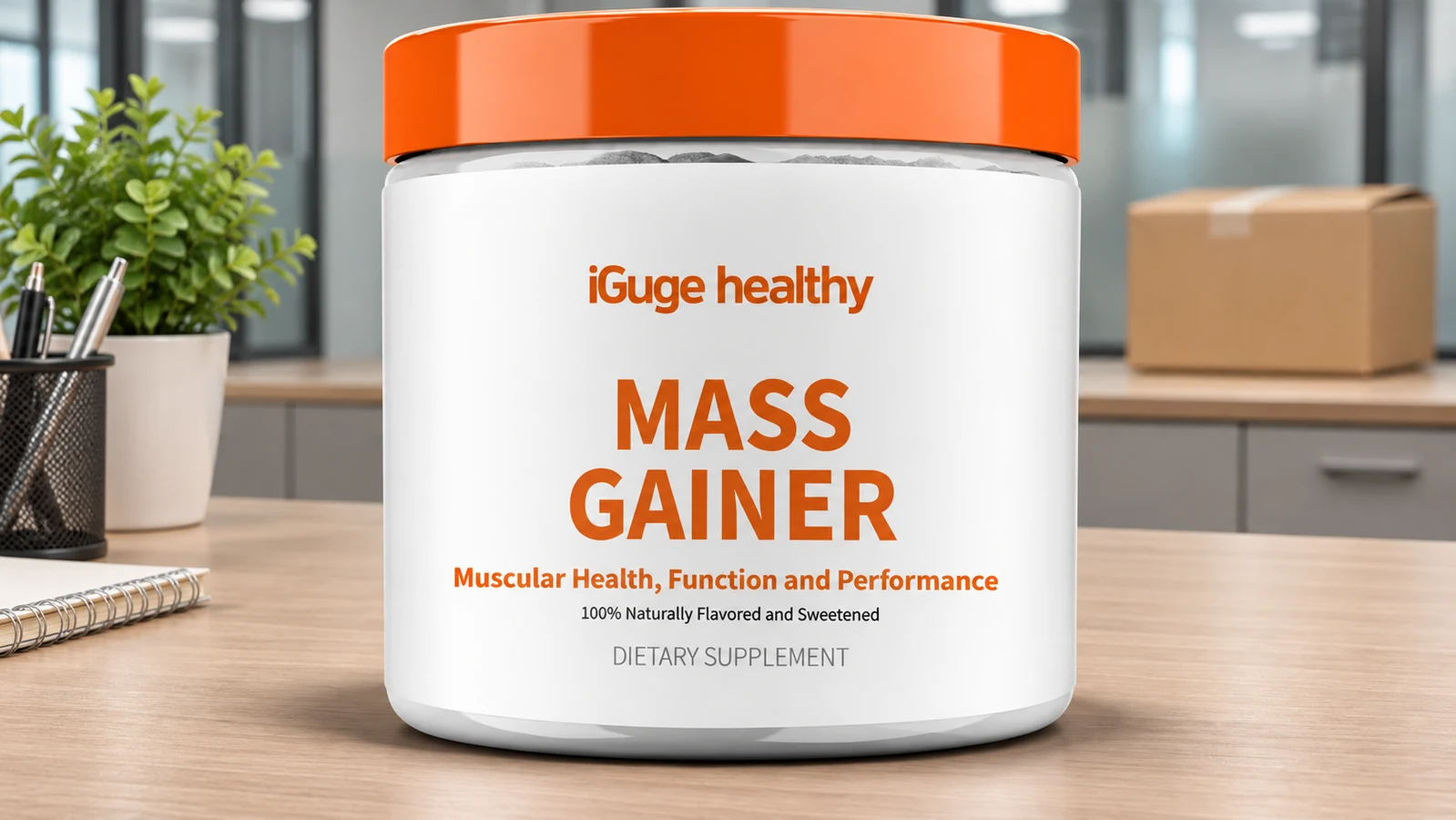
Compare sport supplement manufacturers by asking each one to match the exact retail product and batch offered for sale to the independent testing evidence claimed for it. Imagine that two bids arrive for the same powder. One includes a photograph of a certification logo and a laboratory report with no lot number. The other specifies a flavor, a pack identifier, a production lot and a way to check the claim with the issuing program. The second bid gives a reviewer something to verify.
Decide What The Evidence Must Establish
Write A Narrow Question For The Supplier
Begin with a purchase question that one document could answer. Does the claimed program cover the named product and the lot being offered? A factory inspection, a test on an incoming ingredient and a finished product listing address different things. A capable supplier can identify which item it is providing, who issued it and what conclusion it supports.
Keep the commercial decision separate from an athlete's individual decision to use a supplement. An athlete may have additional obligations and should consult the guidance relevant to their sport. Independent testing can reduce risk, but a favorable result for a defined sample and analytical scope cannot guarantee that every substance is absent from every unit. Avoid asking a supplier for an absolute assurance that no test can provide.
Identify The Unit That Will Reach The Shelf
Record the brand as printed, product name, flavor where relevant, dosage form, pack size and any program or listing identifier. Then add the lot exactly as it appears on the offered sale stock. Retain leading zeros, punctuation, letter case and the location of the marking. A purchase order or best-before date can help find records but may refer to several production lots. If the printer uses characters that are hard to distinguish, request a clear photograph and a typed transcription from the person holding the stock.
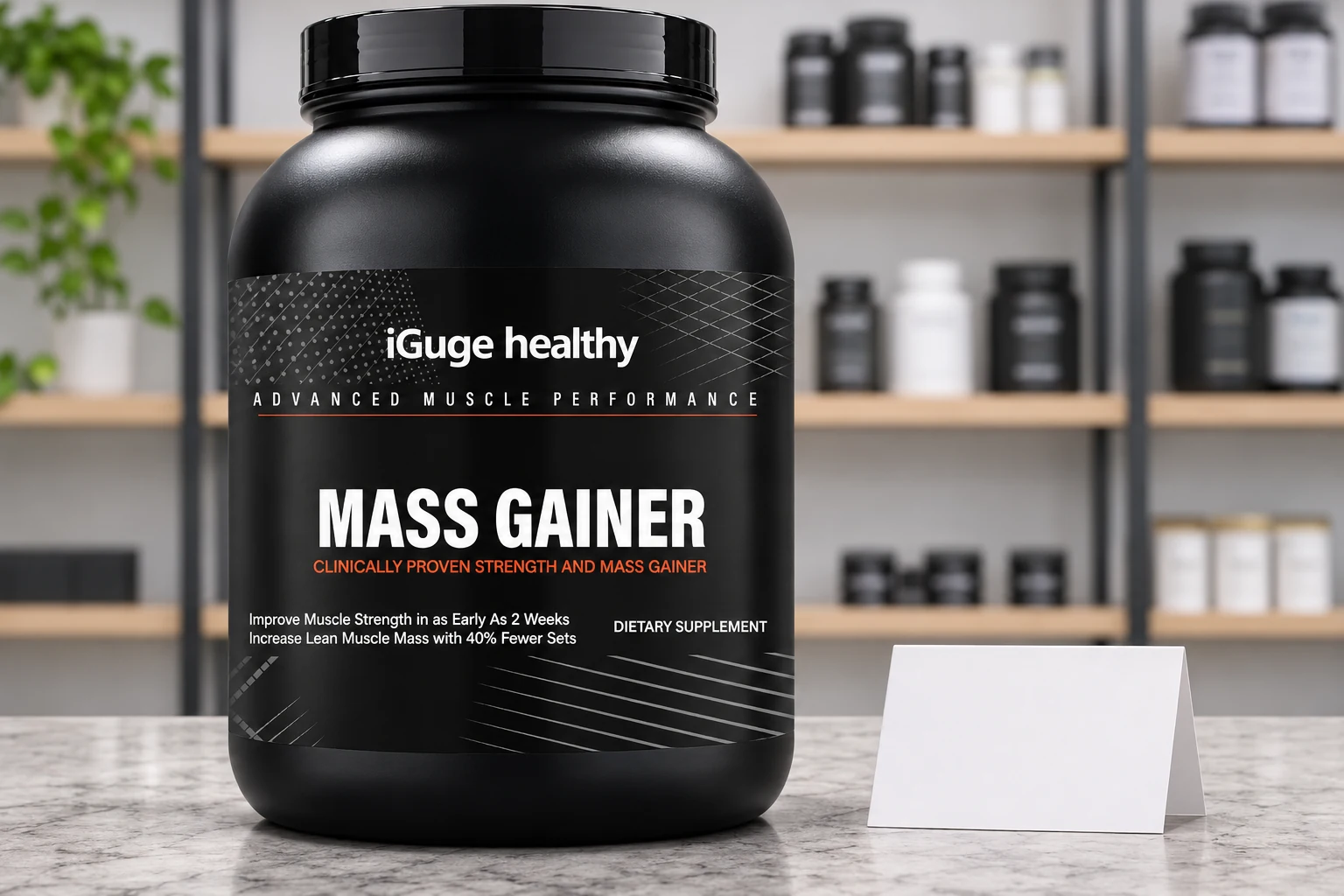
Check whether the quotation covers several products under one short description. One order may cover two flavors. A result for one flavor should not be assigned to the second solely because the formulas share a base. Equally, a change in pack size does not by itself prove a different test was required. Document the program's actual scope and the link between the stock offered and the published entry.
Check The Claim With The Organization That Issued It
Search The Current Directory Independently
Open the program's official product search directly. Use its own search fields and follow its instructions for product, brand and lot identifiers. NSF Certified for Sport offers a searchable certified-products directory. Sport Integrity Australia directs users to its supplement resources and Sport Integrity app for relevant batch-tested information. Programs organize their records differently. Note whether the result identifies a product, a specific batch, a date range or another defined scope. A screenshot supplied by the sales contact cannot show what the directory says today.
Record the search date and the exact result alongside the purchase file. If the search returns a different strength, flavor or country-specific version, save that discrepancy as unresolved. Try the exact manufacturer and brand spellings shown on the label. Then ask the issuing program, through its published contact route, how the relevant entry should be interpreted. An empty search result can reflect spelling or scope. It does not justify substituting a similar product as the basis for approving a shipment.
Distinguish A Real Mark From Permission To Use It
A graphic can be a faithful copy of a genuine certification mark while being used outside its authorized scope. USADA recommends verifying third-party certification claims directly rather than relying on the image on a label. Ask which legal entity holds the listing and which brand or product name buyers can search. For a private-label project, the contracting factory and the retail brand may be different organizations. An agreement to manufacture for a brand does not itself extend the factory's other product listings to that brand.
Use the supplier's private-label customization information to identify who controls the label and who approves changes. If the public listing is under a different commercial name, request the documented relationship and check it with the issuer where necessary. Keep any authorization for a printed mark distinct from a test result: one controls what may appear on the pack, the other describes an assessment with its own scope and limits.
Read A Test Report From The Sample Outward
Match The Laboratory Sample To The Goods
Start with the sample description and identifiers before looking at the outcome line. Record who collected the sample, whether it came from finished retail stock, when the laboratory received it and how its identifier links to a production record. Some reports describe the sample exactly as submitted without independently verifying the description. In that case, ask for the handoff record connecting the submitted sample to the lot. A laboratory report can be technically sound while the link to the purchase order remains weak.
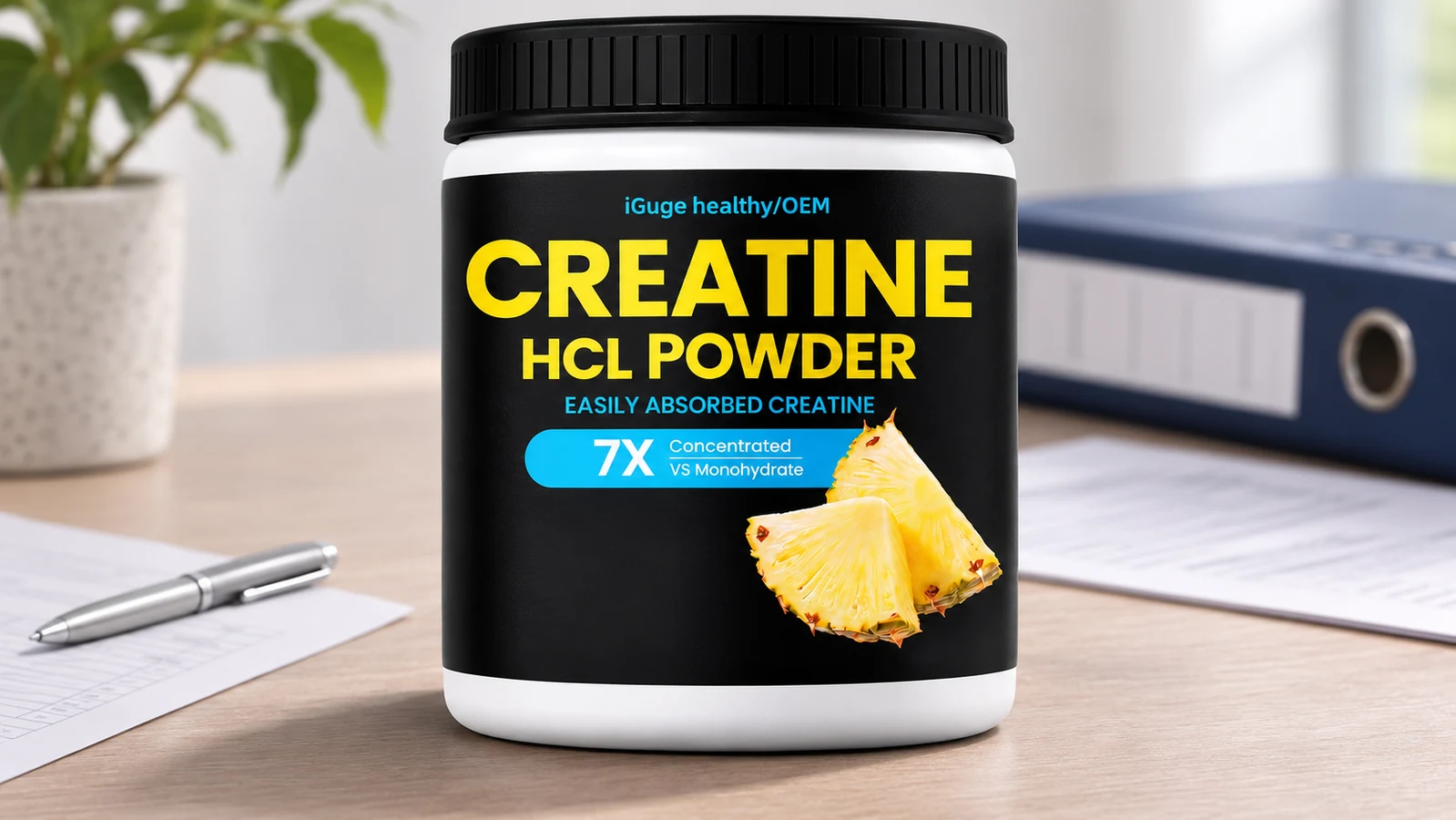
For a creatine powder presentation, for example, record the specific product formulation printed on the pack. Similar words in two product names do not establish identical formulas, finished lots or program coverage. A sample taken from a bulk ingredient before blending is different from a sealed unit collected after packing. Confirm which was assessed. Treat a sample lacking a traceable identifier as an open evidence gap.

Read The Scope And Reporting Limits
Ask what the analysis examined, what the reported result means under the stated method and what it leaves outside scope. A composition or microbiological report may be valuable to product quality while answering a different question from a prohibited-substance screen. Likewise, a report that covers a defined panel cannot answer questions about substances outside that panel. When technical interpretation is needed, obtain clarification from the laboratory or the scheme through an independent contact path and retain the response with the report.
| Evidence supplied | What it can help establish | Remaining check |
|---|---|---|
| Manufacturer's facility audit | Systems examined at an identified site | Does the finished product have the claimed scope? |
| Product directory entry | Brand and product listed by the issuer | Are variant and lot covered as the program defines? |
| Laboratory report | Result on the identified sample and panel | Can that sample be traced to the offered stock? |
| Label proof | Claim intended for print | Was use authorized for this product and version? |
| Warehouse release | Stock made available to fulfill the order | Did a substituted lot enter the dispatch? |
Test What Happens When The Order Changes
Introduce A Split Delivery Into The Comparison
Give two sport supplement manufacturers the same fictional order of 2,000 jars. The supplier offers 1,200 from one lot and 800 from another. The first lot matches the available evidence. The second is awaiting clarification. Record the two quantities separately and ask how order fulfillment would prevent substitution. A buyer may choose a partial delivery of the verified lot if the purchase terms permit it. Approval of the first 1,200 jars provides no additional evidence for the remaining 800.
Follow one change through the records. Suppose the customer requests a faster shipment and a warehouse suggests a third lot with the same front label. Who can put that stock on hold? Who must approve the substitution? Which identifier reaches the dispatch note, and which one reaches the buyer? Comparing the answers reveals a difference between suppliers that can retrieve an impressive test report and suppliers that can consistently ship the stock to which that report applies.

Assign Responsibility For Artwork Changes
Review the path from approved artwork to the printed unit. A label designer, contract packer and retail brand may all hold copies of the same file. If a product changes program status, a new flavor is introduced or a claim is withdrawn, someone must decide which artwork may still be used. Ask for the named decision owner, the version placed on hold and the instruction sent to the printer. A stock count of superseded labels can be as important as a correctly updated PDF.
A manufacturer's company profile can help identify the operating parties for that discussion. Ask for a redacted example in which version control was actually used. The useful details are the date, affected identifier, authorized action and confirmation that the earlier version left production. Where the manufacturer controls only part of the process, record the brand's remaining responsibility explicitly before authorizing a print run.

Set A Purchase Decision That Can Be Rechecked
Write the decision against the lot and the intended claim. An entry can be verified, awaiting clarification or outside the evidenced scope. Include the document version, the person who checked the directory and the event that would reopen the decision. Reopening triggers might include a new lot, a formula change, a different plant, an altered label or a discrepancy reported at receipt. Which triggers require a new test depends on the actual program and contract.
Use the same standard for different offers in the sports nutrition category. Price, order size and lead time can be compared after the evidence gap is visible. A quote that includes testing but excludes sample collection or shipment holds may allocate more work to the buyer than the price suggests. State that allocation in the approval note. If evidence arrives after the purchase decision, add a dated entry preserving what was known when the decision was first made.
Frequently Asked Questions
Does A Listing For The Factory Cover Every Retail Brand It Makes?
Coverage depends on the issuer's rules and the specific entry. Record the named entity, product and any variant or lot information the issuer provides. If the brand on the order differs from the entry, obtain confirmation of the relationship before applying the claim to the purchase.
What If The Code Is Printed Differently In The Directory?
Preserve both versions and check whether the program defines a formatting convention. A leading zero, suffix or packing date may distinguish lots. Ask the issuer or responsible manufacturer to resolve the difference in writing while keeping the affected stock identifiable.
Can A Retail Buyer Accept A Redacted Report?
Redaction may protect unrelated customer details while leaving the issuer, sample identifier, scope and result verifiable. If those essential fields are hidden, request an independently verifiable extract or confirmation before relying on the report. Document exactly which fields were available to the person making the decision.
What Should Be Requested Again For A Repeat Order?
Start with the newly offered lot, current directory result, artwork version and shipment allocation. Reuse the earlier process description as context. A comparison of sport supplement manufacturers remains meaningful only while its product identities, claims and supporting records still match what is being offered.
For a specific private-label order, request the product identifiers and available testing evidence for one proposed lot, together with the contact responsible for resolving a mismatch before dispatch.