A China supplement factory can demonstrate that a sample is ready for a retail order by tracing it to a named production line, pack specification and agreed acceptance record. A sample answers whether the team likes one item. A production trial answers whether the proposed site can repeatedly make, pack and identify that item on commercial equipment. Ask for the evidence that connects those two answers while there is still time to change the pack or the order.
Identify the factory behind the sample
Start with the published company profile and ask where each operation will take place. The business presenting the quote may develop the formulation, coordinate contractors or own only part of the process. A site can be suitable in any of these arrangements if the buyer knows who controls material purchasing, processing, testing, packing and release. Trouble starts when a buyer assumes that the address on a presentation also identifies the plant that will fill the retail packs.
Put each manufacturing address beside its operation
Use one row for blending, one for the dosage-form step and one for packing, even if the same site performs all three. Record the legal entity, site address, person responsible and how a change of site will be approved. A broker's ability to get a quick answer from a technician is useful. It still leaves open who can investigate a deviation, quarantine stock or authorize rework. Ask the quoted supplier to walk through those decisions using a recent anonymized example.
A description of OEM and customization services helps a team identify questions for a site visit. Use the visit to connect the actual equipment and people to the proposed order. A brand selecting a pouch should see the corresponding filling and sealing process or obtain equivalent evidence from the contracted packer. A photograph of a capsule line addresses a different production question.
Pin down which sample was approved
A courier delivery may contain several versions that look nearly identical. Give the chosen sample a reference, date and revision. Identify its formula, component sources where relevant, primary pack, artwork and any hand operations used to prepare it. Retain the agreed revision with the order.
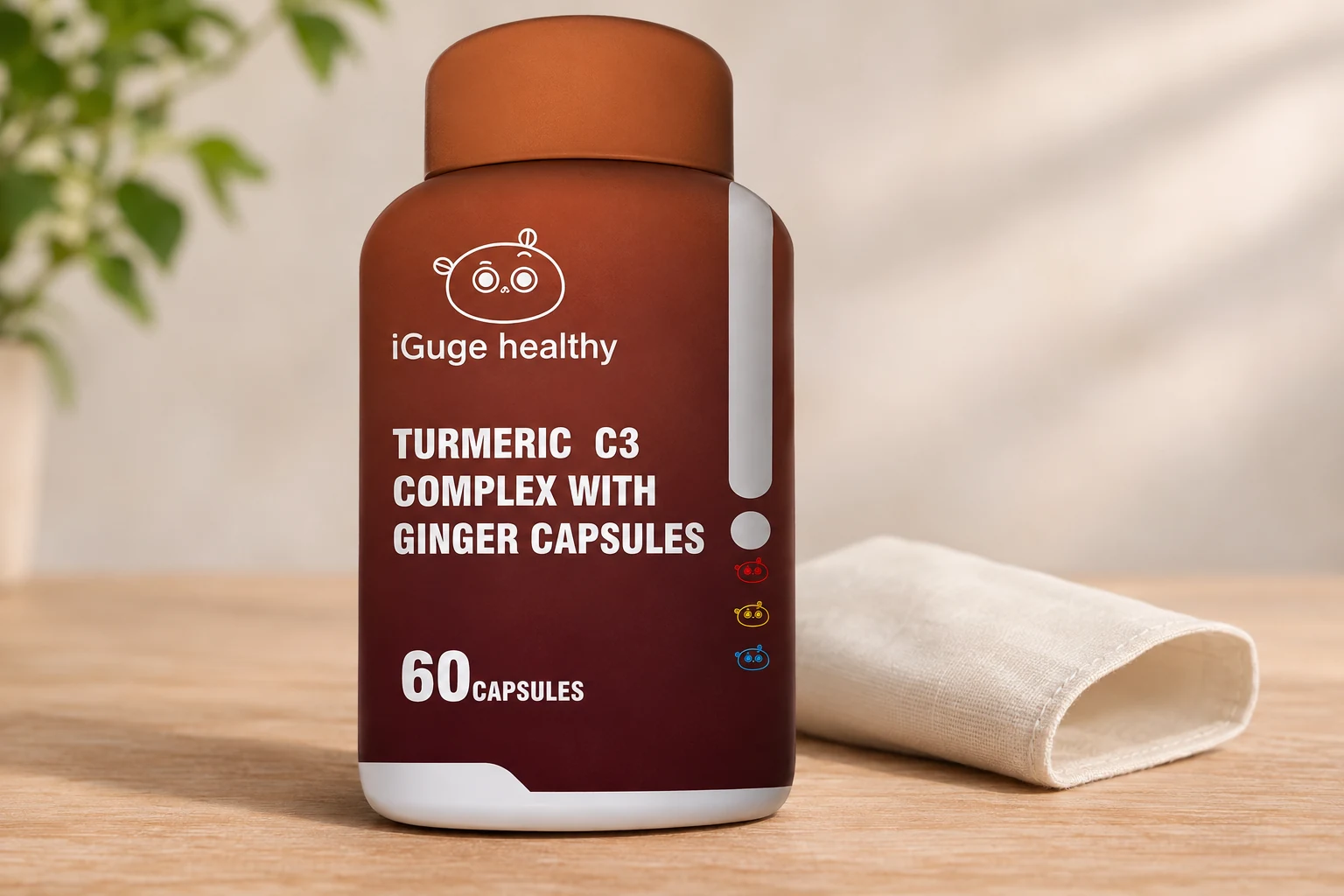
Ask the team to show where scale changes the result
The most revealing comparison is the approved sample beside a pack made on the proposed commercial route. A larger blender, a longer transfer, a different filling head or a different storage interval may alter physical performance. A buyer does not need a copy of a confidential recipe to ask which changes matter. Ask who monitors each change and what result triggers an investigation.
Choose an observable check for the dosage form
For a powder in a sachet, ask how the factory deals with fill variation and seals contaminated by powder. A clean seal on a hand-filled sample tells little about a continuous run. For capsule products, including botanical supplement formats, ask how the approved count and container fit are checked at pack-out. For tablets, investigate the handling steps between finishing and final packing if breakage would make the product unacceptable. These are questions to tailor to the specific order, not universal limits for all formulations.
A practical production trial can compare early, middle and late output, with samples labelled so they can be traced back to the run. Agree with the supplier on the sampling basis and which results are informative for the particular product. A handful of attractive packs from the start of a run may be useful for photography but provide limited evidence about how a line behaved through a change of shift or a roll of packaging material.
Separate a sensory decision from a release decision
A tasting team might prefer one flavor and dislike another even when both products meet the submitted physical specification. Conversely, a popular sample can have incomplete evidence of identity, composition or pack integrity. Record the sensory decision with its own method, date and reference. Then ask the quality team for its acceptance record. Keeping the two decisions legible lets a brand change a flavor without accidentally discarding the controls already agreed for the rest of the product.
Make the pilot pack travel like the retail pack
A market sample can survive courier handling because someone added extra padding or packed each bottle separately. The production order will travel by the case on a pallet and may spend time in storage before a customer opens it. Request a trial using the intended retail pack, case configuration and distribution assumptions. If the destination route is still undecided, state the uncertainty and reserve a packaging decision for when the route is known.
| Question to settle | Evidence to request | Decision before ordering |
|---|---|---|
| Did the commercial line make this pack? | Dated run reference linking the unit to the line and shift | Identify any hand-finished steps that need a repeat trial |
| Will the closure suit the fill? | Trial pack with the intended liner, closure or seal film | Approve the component combination and its revision |
| Can the warehouse identify the unit? | Retail and outer-case codes checked against approved artwork | Record the coding location and legibility check |
| What happens if a result falls outside the agreement? | Named decision owner and an example of a disposition record | Hold affected stock until the agreed review is complete |
Check artwork on the filled container
A flat proof confirms the design file, but a curved bottle or folded pouch changes what can be seen and scanned. Ask for a filled pack carrying the current artwork revision and the actual code position. Scan the retail unit and shipping case separately, then compare the results with the item master. A code that scans perfectly can still identify the wrong pack size. Establish who will remove obsolete labels from the line if a design changes after the trial.
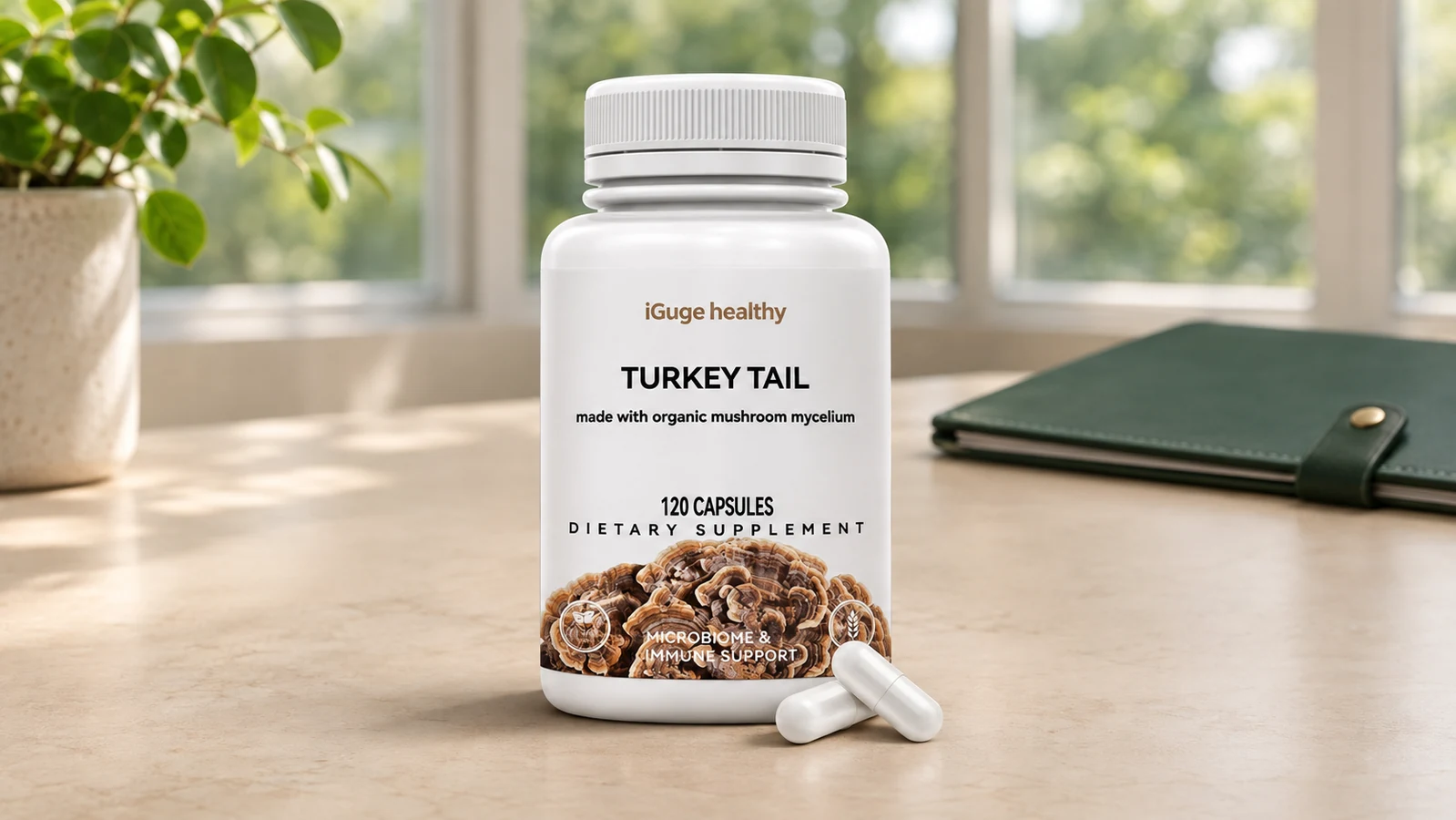
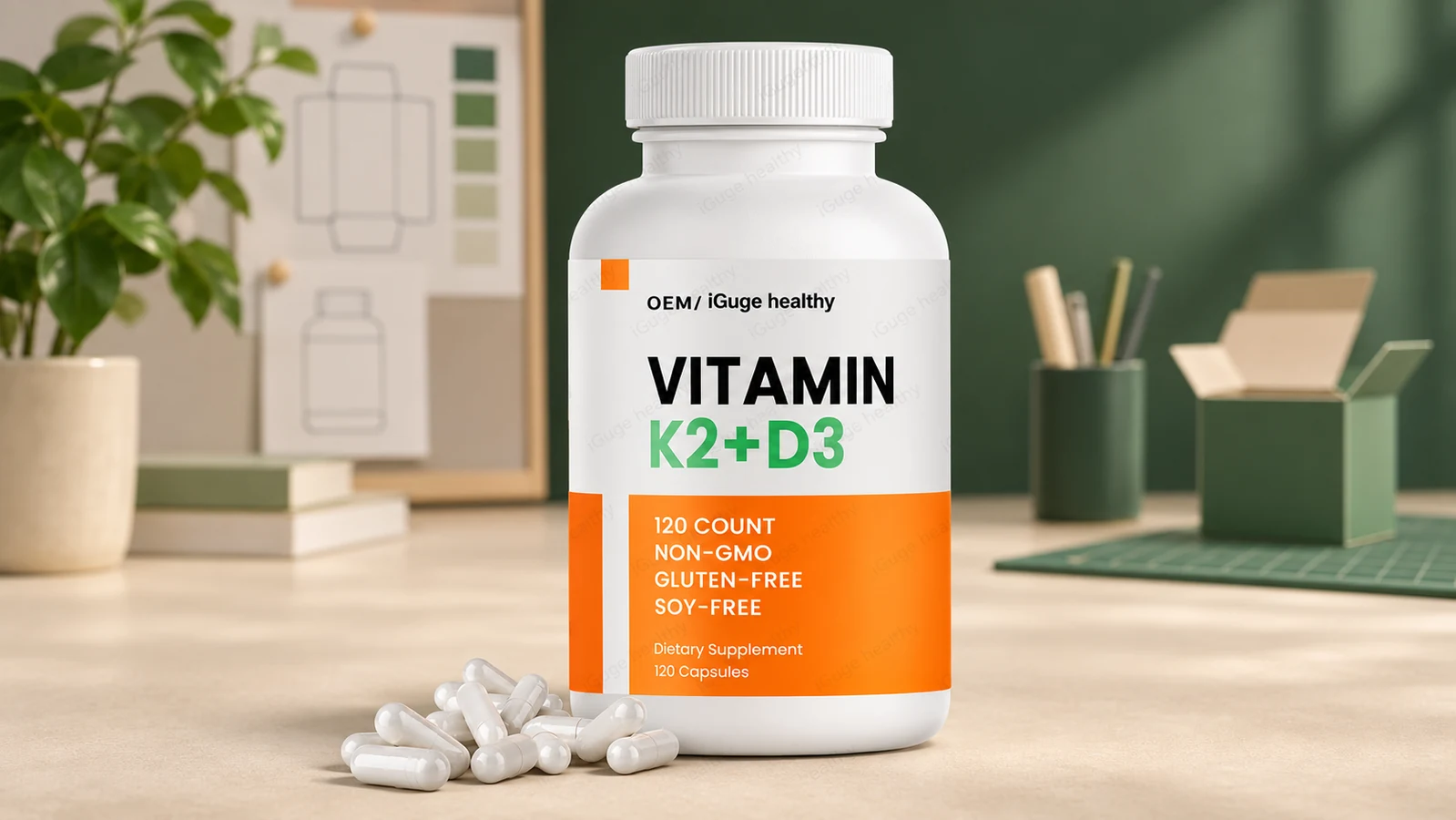
Use the vitamin and dietary supplement catalogue to distinguish presentations that might otherwise share a familiar ingredient name. Similar ingredient wording across listings does not imply equivalent fill, closure or label. A specification should identify the commercial version being purchased and the evidence needed if the supplier proposes an alternative component.
Read batch evidence from the retail unit backwards
Choose one coded unit from the trial and ask the factory to follow it back to the packing record and the corresponding manufacturing lot. Start with the code a customer would actually report. Working backwards tests whether customer service, the warehouse and quality staff can retrieve the same information without relying on the salesperson who remembers the job.
Look for connections between records
A certificate of analysis, a packing record and a material approval can each be genuine yet belong to different batches. Match the item identity, revision, dates and batch references before drawing conclusions. Where one bulk lot is packed into several retail versions, ask the supplier to explain how its records distinguish the units sent to each customer. A useful demonstration can obscure confidential customer details while keeping the relationship between lot, pack and destination visible.
For a US-bound order, the buyer's regulatory team can use FDA guidance on foreign supplier verification to identify the requirements applicable to the importer and product. For an Australian order, first establish the product classification and the roles of the parties. TGA guidance on suppliers and materials for listed and complementary medicines is specific to that context. An export record for one market cannot establish the requirements or approvals for a different product in the other market.
Give a discrepancy a real owner
Introduce a simple example during the review. The batch number on the outer case is readable, but the final character is missing from several bottles. Ask who isolates stock, who checks the code printer and who decides whether the affected units can be corrected. Follow up by asking how the brand will hear about the decision. A documented reporting route is especially valuable when the sales office and manufacturing plant work different hours or use different systems.

Price the route that actually passed the trial
When a China supplement factory issues a revised offer, compare it with the approved trial pack line by line. A change in lid supplier, film structure, pack count, test scope or case size may explain a price movement. Without a common specification, a cheaper quote may simply describe a different order. A line-item comparison gives the brand choices about where to spend money and where an alternative could be evaluated in another trial.
Distinguish the production minimum from the component minimum
The blender may accommodate a smaller run than the printer will accept for custom film. A tooling charge may be payable once while recurring testing costs follow every lot. Ask for the unit of each minimum, who owns unused material, how it is identified and what happens if the next artwork revision makes it obsolete. A lower first order can conserve cash yet leave the brand responsible for several future runs of packaging it cannot use.
Write down the decision that releases the first order
Identify the person who can approve the pilot-to-production transfer and specify what evidence that person needs. A concise approval packet may include the selected sample revision, executed line trial, signed pack specification, quality responsibilities and outstanding exceptions. If a point remains open, name the owner and the consequence. It is easier to agree that finished packs will be held for a missing result before deposits and freight bookings put pressure on the decision.
- Compare the final offer with the trial configuration and mark each difference.
- Identify whether the difference needs a paper review, a pack sample or a new line trial.
- Record the agreed disposition and revision before printing or ordering components.
- Retain the signed version with the order, along with the person authorized to approve changes.

Frequently Asked Questions
Can an audit report replace a product-specific trial?
An audit report may help establish that a site operates a quality system within a stated scope. It rarely shows how a particular formula behaves in the chosen retail pack. Ask about the site, operation and report date, then use a product-specific trial to investigate the remaining production questions.
What if the factory uses a contract laboratory?
Ask which laboratory does which work, how samples are identified in transit, how the report reaches the factory and who interprets it for release. A laboratory report can support a decision when the method, sample identity and agreed specifications align. Name the person authorized to release the shipment.
Should every presentation be trialled on the first order?
Group presentations only when the technical team can explain why the same trial covers them. A different carton design may need a coding and artwork check. A different closure or seal material may warrant a fresh pack evaluation. Make the rationale visible to the person approving the order.
What should trigger a new supplier review?
A move to another site, a different contracted packer or a material change in equipment can affect earlier evidence. A China supplement factory and its customer can agree notification thresholds in advance, including which changes require approval before production. Keep that record with the approved sample and pack specification so the next order starts with the same assumptions as the first.
For a proposed trial, send the factory contact team the intended pack, artwork revision and destination, and ask which site and line would make the approval sample.