A nutraceutical products manufacturer should connect each batch release decision to an agreed specification, traceable records and an accountable reviewer. For US and Australian brands, that evidence chain is a more useful starting point than a broad catalogue or a polished facility photograph.
Start Supplier Qualification With The Product And Market
Start with the exact formulation, dosage form, intended market and proposed claims. Nutraceutical is a broad commercial term, not a single regulatory category shared by every destination. A supplier can manufacture several formats while having different experience, documentation and subcontracting arrangements for each one.
Identify The Entity And Work Actually Being Assessed
Record the legal manufacturer, production location and activities performed there. Ask who purchases ingredients, blends or fills the product, packages it, commissions testing and authorizes dispatch. If a separate laboratory or packer participates, include that handoff in supplier qualification. A sales contact can coordinate documents, but the responsible quality personnel should explain how records support a decision.
The company overview and customization service are starting points for a scope discussion. They do not replace verification of a proposed facility, current certificate scope or product-specific responsibilities. Keep commercial capability and demonstrated quality controls as separate questions.
Resolve Destination Classification Before Approving Claims
US dietary supplements and Australian therapeutic goods do not share one automatic approval pathway. Depending on presentation and claims, a product may also fall under a different category. Obtain destination-specific regulatory advice before approving ingredients, label language or a launch plan. A listing number, manufacturing certificate or ingredient report answers only the question covered by that document.
FDA does not generally approve dietary supplements for safety and effectiveness before sale. Australian requirements depend on the applicable classification and pathway. Supplier qualification should identify what the brand, sponsor, importer and manufacturer each need to provide, without treating a familiar acronym as permission to market every formulation.
Make The Specification Usable For A Release Decision
A specification should state what is measured, how it is assessed and which result is acceptable. Begin with the relevant quality attributes for the actual formulation, then connect them to agreed records. Avoid copying limits from an unrelated catalogue item simply because both products are capsules.
Connect Ingredient Identity To The Finished Formulation
Ingredient identity is the starting point for determining whether the correct material entered the process. For a botanical, clarify the species, plant part and any relevant extraction description. For a defined nutrient or other ingredient, establish its identity and specified form. The supporting method must suit the material being tested; a supplier name or attractive ingredient photograph is not an identity result.
Compare the proposed formula with its approved version, including carriers and excipients. The vitamin and supplement catalogue can help organize format discussions, while the herbal range illustrates why botanical documentation needs separate attention. Neither category establishes that two items have interchangeable quality requirements.
Separate A Sample Label From An Approved Specification
An NAC capsule presentation is a practical example of a product whose ingredient wording, pack count and formula must refer to the same controlled version. Catalogue artwork is a discussion reference. It does not establish that a custom order has the same composition, evidence package or destination suitability.
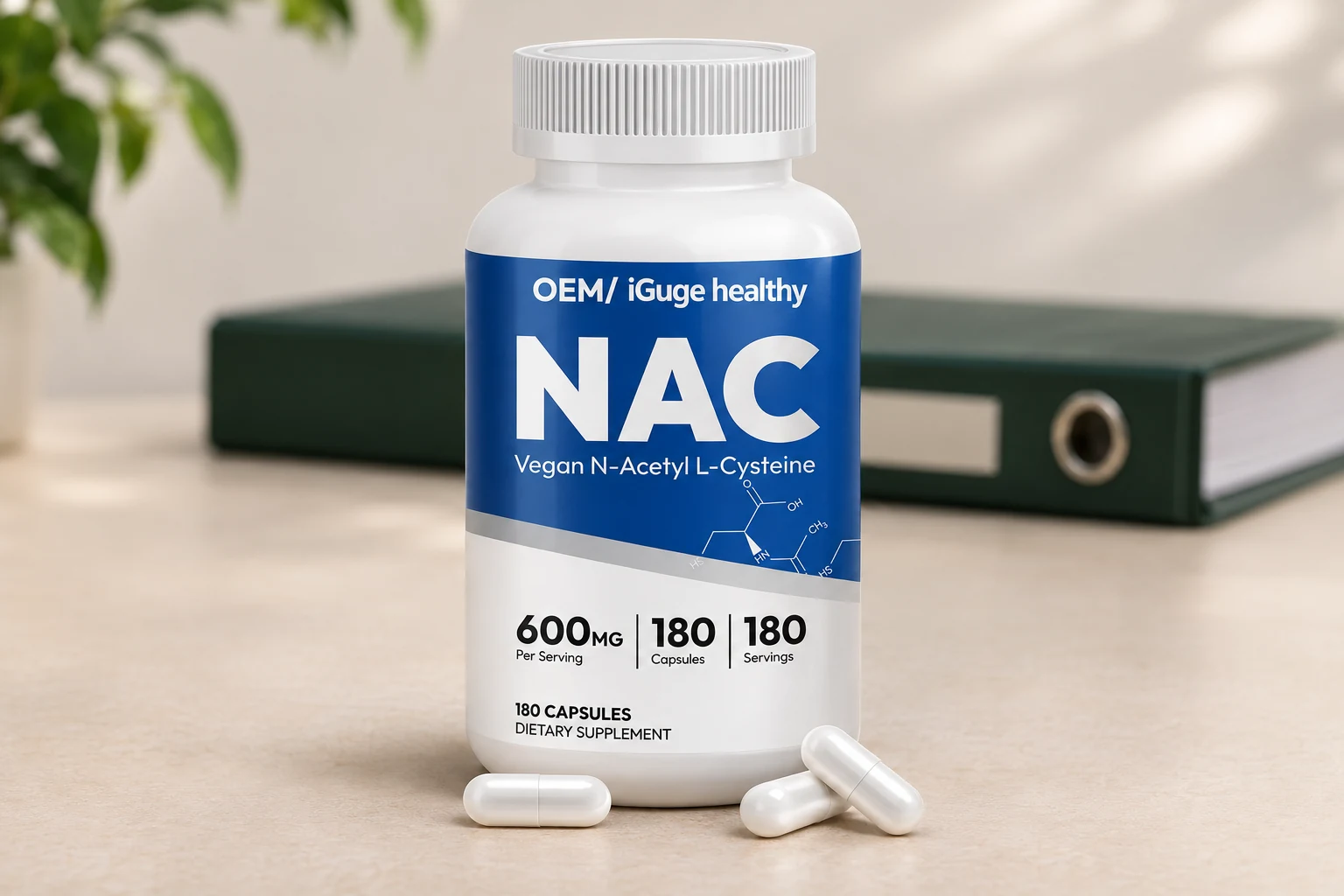
Define release tests, acceptance limits, sampling arrangements and document ownership before the commercial batch. Where a characteristic is controlled through process evidence or supplier documentation rather than a finished-product test, ask for the rationale and applicable requirements. That distinction should be explicit, not discovered after an unexpected result.
| Review point | Evidence to connect | Question before acceptance |
|---|---|---|
| Material identity | Ingredient specification, lot and suitable method | Does the result identify the material used? |
| Formula version | Approved composition and manufacturing record | Were changes authorized before production? |
| Test result | Sample identification, method and acceptance limit | Does the report cover this batch and attribute? |
| Packaging | Approved artwork, components and reconciliation | Does the released pack match the approved version? |
| Exception | Investigation and documented disposition | Who assessed the issue and approved the outcome? |
| Release | Completed review and named authority | Is the decision supported by the full record? |
Read The Test Evidence Beyond The Certificate Heading
Read the report as part of a traceable evidence chain. A certificate of analysis can summarize useful information, but its title alone cannot establish sampling quality, method suitability or whether every agreed attribute was assessed. Supplier qualification should include a worked example with confidential details appropriately protected.
Match The Sample, Method And Result
Check the product or material name, batch identifier, sampling date where applicable, method reference, units, result and acceptance criterion. A numerical value without a limit does not show conformity. A passing statement without a method or defined scope may require supporting information. Ask how the laboratory distinguishes a result below its reporting limit from a measured absence.
Ingredient identity, assay, microbiological quality and contaminants are different questions. One test does not automatically answer the others. The appropriate panel depends on materials, formulation, process, destination and risk. A microscope in a laboratory photograph does not prove a chemical identity or potency test was performed.

Ask How An Unexpected Result Was Resolved
Request a redacted example of an out-of-specification or other relevant deviation investigation. Look for the initial finding, immediate controls, investigation rationale and final disposition. Repeating a test until a preferred result appears is not a satisfactory explanation. The record should show how the original information was considered and who authorized any further work.
Where an external laboratory performs testing, establish who approves the scope and receives the full report. Recognized laboratory accreditation can inform the assessment, but its relevance depends on the methods and activities within scope. Batch release requires review of the applicable evidence, not simply the presence of an accreditation logo.
Trace Production Handoffs And Packaging Changes
Trace the batch through receipt, processing, packing and disposition. The useful question is whether each record connects to the next without an unexplained change of identity. A factory can have modern equipment yet still need to demonstrate how a specific lot was controlled.
Follow One Batch Across The Record Set
Ask the nutraceutical products manufacturer to walk through one representative batch, using redacted records if necessary. Follow material lot numbers into the manufacturing record and then into packaging, testing and release. Examine how quantities, checks and deviations are reconciled. A clear explanation should remain understandable when the sales team is not interpreting every step.
Confirm how subcontracted work returns to the controlled record. A separate packaging run, a changed ingredient source or a replacement laboratory may affect the evidence needed. Supplier qualification should establish notification triggers and approval responsibilities before those events occur, including what happens when the brand cannot approve a proposed change in time.

Keep Artwork Approval Separate From Line Clearance
Artwork approval establishes the intended content and design. Packaging controls establish whether the correct version and components were used for the batch. Ask how obsolete labels are prevented from returning to use, how printed batch information is checked and how issued and unused components are reconciled. A correct digital proof alone cannot answer these operational questions.
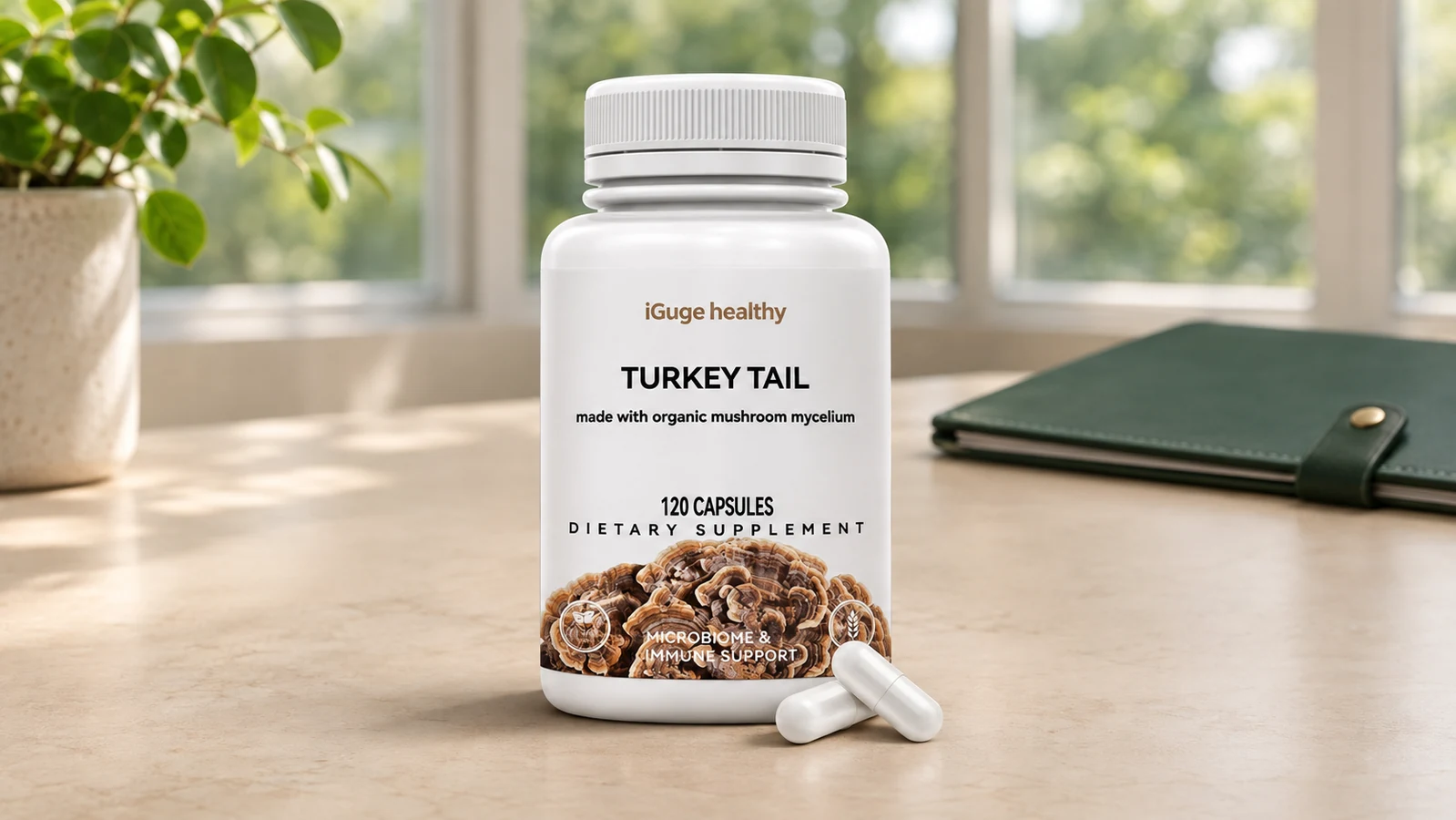
For mixed portfolios, pay particular attention to similar packs with different ingredients or counts. The Turkey Tail capsule example illustrates a distinct ingredient presentation; it should never inherit another item's formula evidence merely because the bottle shape is similar. Packaging review and ingredient identity must converge on the same item.

Require A Release Package That Supports Follow-Up
Agree on a release package that the buyer can interpret and retain. It should identify the item, formula and artwork versions, batch, relevant reports, reviewed exceptions and release authority. The precise contents depend on the product and applicable requirements; more pages are not automatically stronger evidence.
Define what the brand receives routinely and what can be accessed during an investigation. Include response responsibilities, record retention arrangements and the handling of complaints or recalls. A promise to provide documents later leaves uncertainty at the point when product may already be in distribution.
For a shortlisted nutraceutical products manufacturer, close the assessment with specific evidence gaps and an owner for each action. Unresolved ingredient identity, unexplained report mismatches or an unclear release authority should remain visible in the decision. Supplier qualification is strongest when acceptance follows documented closure rather than commercial urgency.
Also agree how later information reaches the buyer. A complaint trend, revised test interpretation or previously undisclosed material substitution may affect a released batch. The quality agreement should define notification and escalation routes, so the evidence chain remains usable after dispatch.
Frequently Asked Questions
Is A Certificate Of Analysis Enough To Approve A Batch?
Not by itself. Check that it identifies the right batch, covers the agreed attributes and links to suitable methods and acceptance criteria. Batch release also needs the applicable manufacturing, packaging and exception records to be reviewed.
Does A Broad Product Catalogue Prove Manufacturing Capability?
It shows the products presented for discussion. Confirm the actual manufacturer, site, activities and experience relevant to the proposed formula. Verify subcontracting and documentation rather than inferring capability from catalogue size.
Can The Same Supplement Label Be Used In The US And Australia?
Do not assume so. Classification, ingredients, claims and labelling requirements depend on the destination and product. Obtain the appropriate regulatory assessment before approving market-specific artwork or treating a reference label as ready for sale.
How Should A Buyer Compare Two Suppliers' Quality Evidence?
Give both the same product brief and evidence questions. Compare traceability, method relevance, exception handling and release responsibility. Record unanswered questions explicitly; a longer document pack does not necessarily resolve them.
A useful enquiry includes the target market, dosage form, proposed formula, claim boundaries and required release documents. Use the product and manufacturing enquiry channel to request a scoped evidence discussion before approving a production commitment.