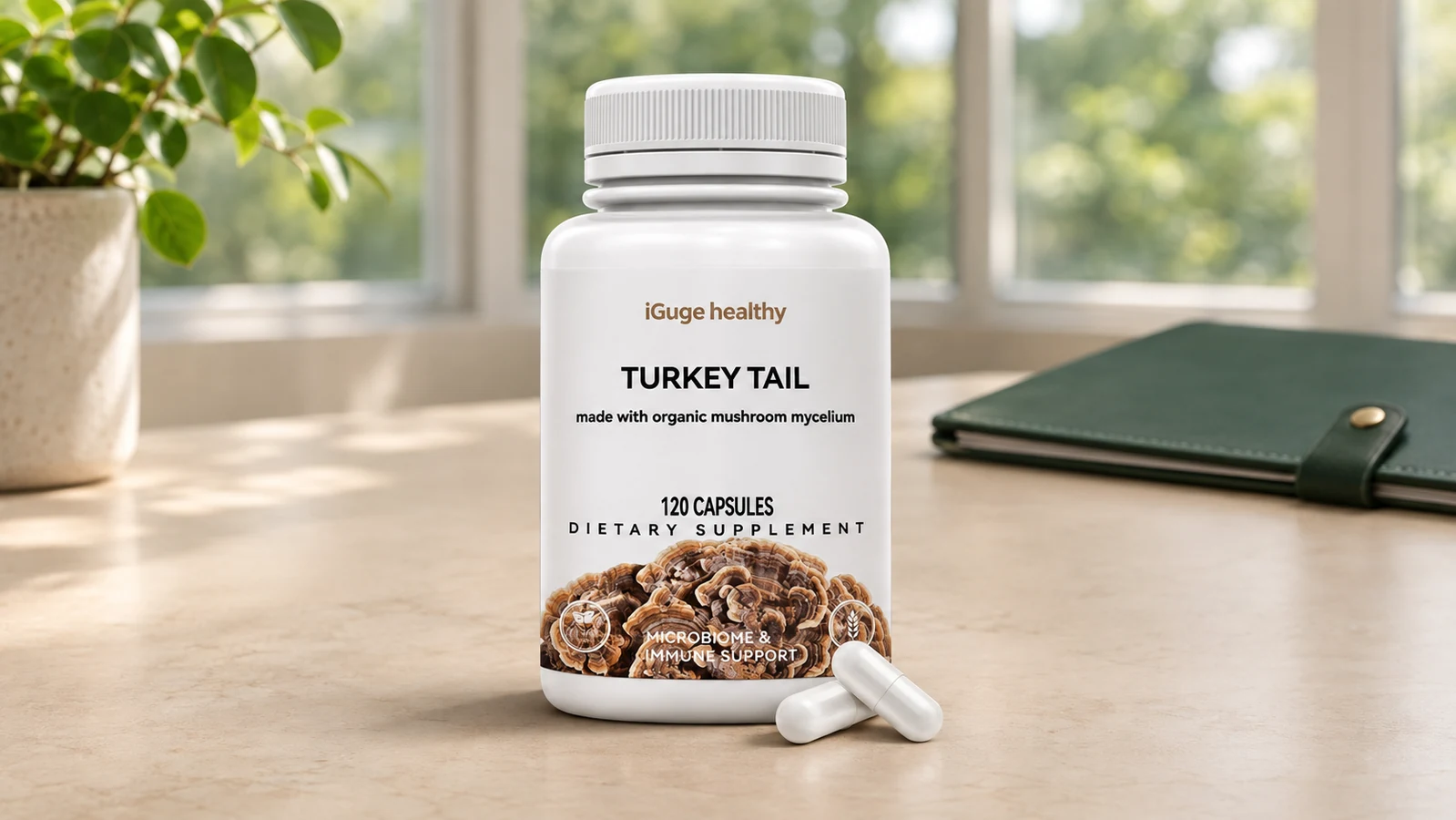
A dietary supplement manufacturer should be able to trace a complaint from one labelled retail unit through every relevant packing run and shipment. To see how a prospective supplier does this, give two candidates the same fictional complaint. A retailer has received a loose cap. The photograph shows the front label, but only part of the printed lot code. The stock arrived in two deliveries. Which records does the supplier ask for first, and what can it establish before the missing digits arrive?
Start With A Retail Unit Someone Could Actually Identify
Record What The Customer Can See
Ask the supplier to open a complaint record with the information available at receipt. A useful first entry separates observations from interpretations. “Cap turns without resistance on one unopened jar” is an observation reported by the retailer. “Every jar in the batch was packed incorrectly” is a conclusion that the evidence does not yet support. Recording the date, product name, pack size, purchase location and visible code gives the next reviewer a place to start without fixing the outcome in advance.
Keep original photographs with the case when appropriate, and give production staff a working copy stripped of unnecessary customer details. A crop showing the code can be useful, but retain a view that shows where the code sits on the pack. A code printed on a shipping case can identify an outer carton assembled by a distributor. A similar-looking code on the jar may identify the manufacturer's packing run. Substituting one for the other can send an otherwise careful search down the wrong branch.
Use Product And Artwork As Clues, Then Test Them
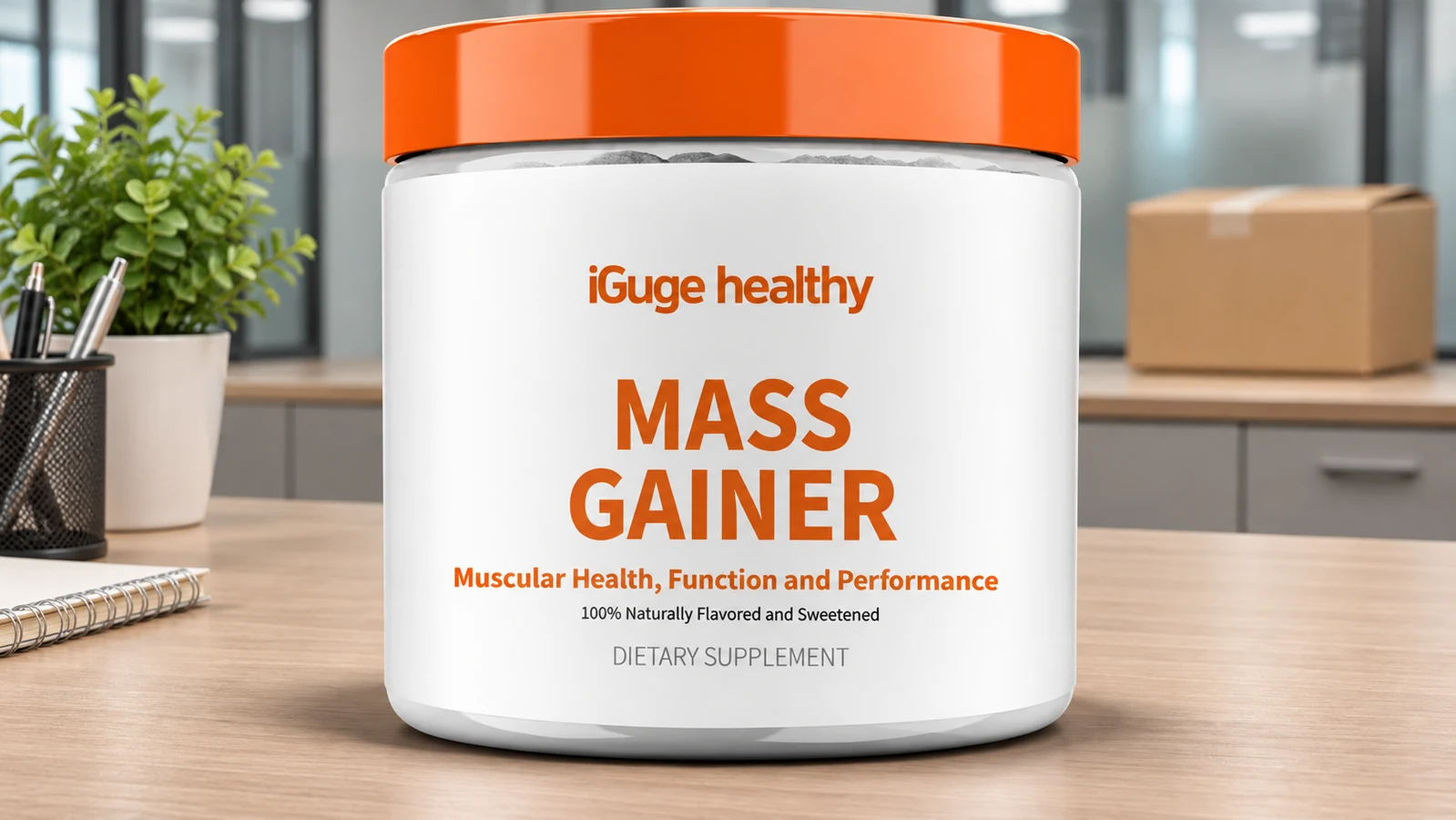
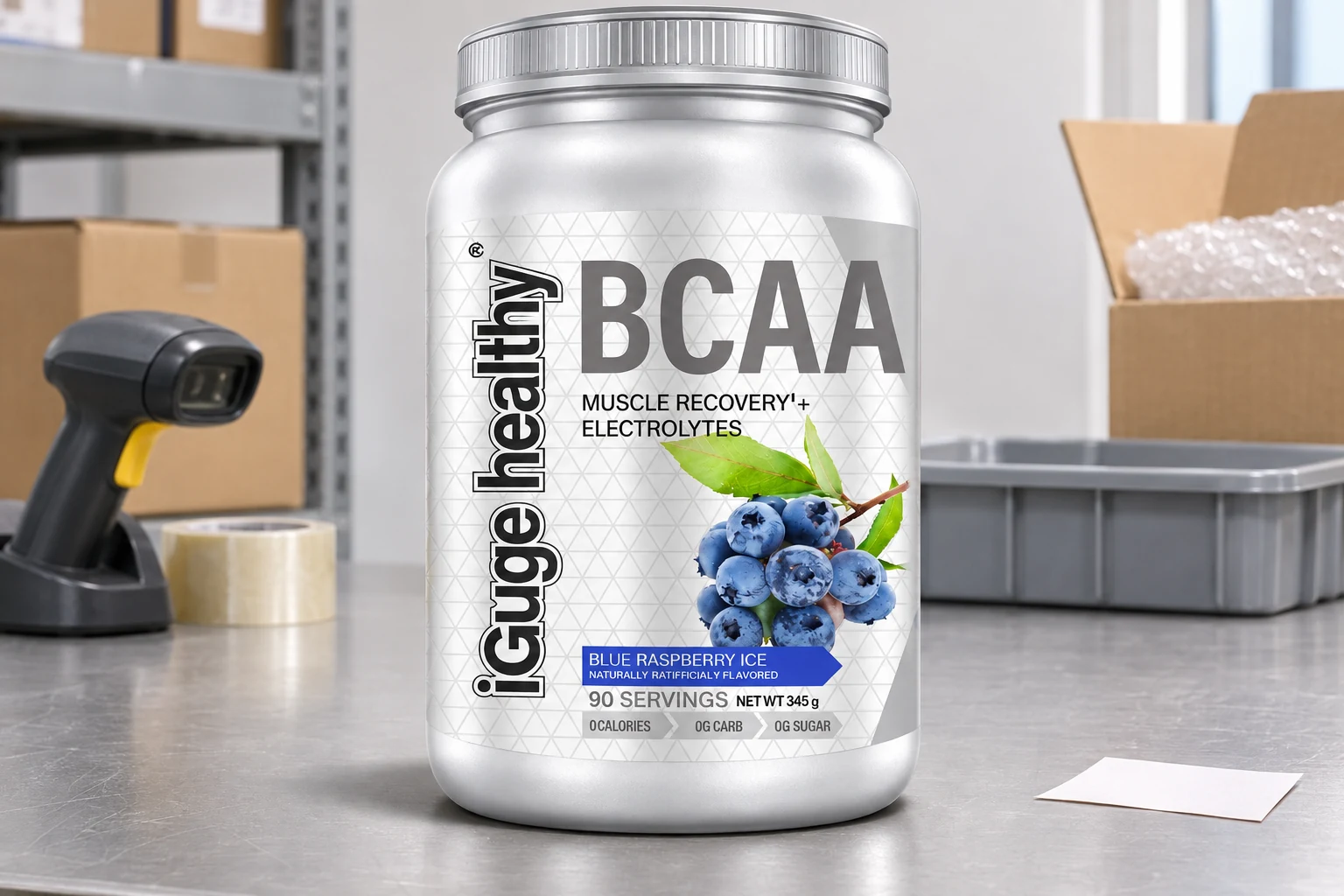
For products such as a private-label mass gainer powder, flavor, label language and net contents narrow the search when the code is incomplete. They rarely identify one production event on their own. Two runs can use the same artwork, and a distributor can carry both at once. Ask the supplier to return a short list of plausible runs, the evidence used to exclude others and the one missing fact that would narrow the list most. A warehouse receipt tied to a shipment may be more useful than another photograph of the front panel.
When comparing formats in a vitamin supplement range, check whether otherwise similar variants share a case description or order abbreviation. If they do, the supplier needs another field that distinguishes them at dispatch. The buyer can test that distinction with two anonymized records. A good response identifies the precise field or document that separates the variants and explains what happens when a receiving system drops it.
Follow The Lot In Both Directions
Walk Back From The Return To The Packing Run
Begin with the retailer's receipt or invoice line and follow the distribution record back to a dispatch, a packing lot and the bulk material used. At each step ask the supplier to show what joins the records. It might be a pallet reference at one handoff and a production order at the next. Similar descriptions and nearby dates suggest possible matches but leave ambiguity. The supplier should be able to show which matches are confirmed and which remain provisional.
A repacking event is worth inspecting separately. A bulk lot can be divided into a jar sold under one brand and a pouch sold under another. A later relabel or outer-carton change might generate a new packing identifier without changing the contents. A complaint about a loose closure starts with the jar run and relevant components. A complaint about the contents can lead further back. Ask the reviewer to explain that difference before setting the scope of the investigation.

Walk Forward To Each Destination
Once the likely packing run is known, ask where its units went. A forward trace should make room for part shipments, samples, warehouse holds and transfers between locations. If the supplier can show only the original order, it has not yet demonstrated where the physical units ended up. An invoiced quantity may have been shipped in two portions, returned, or replaced under a different reference. Ask for records of movement as well as the commercial paperwork.
Consider a simple example. Two retailers each ordered 400 units. The first received 400 from run A. The second received 150 from run A and 250 from run B. If the defect is linked to run A, forwarding the total order quantity of 800 to the review team would overstate the known distribution. Following only the first delivery would miss the second retailer. The useful answer lists 550 potentially relevant units at two destinations and separately identifies the 250 units traced to run B.
Make The Quantity Reconciliation Explain Its Gaps
Choose A Denominator Everyone Can Reproduce
A mock recall can appear complete while two reviewers are counting different things. One may be counting released units and the other every filled unit, including material retained or destroyed. Ask the supplier to write down its starting total and why it chose it. Keep inner packs, shipping cases and retail units in separate columns until the conversion is documented. A correction from “ten cases” to “ten jars” should remain visible alongside the original statement and its source.
| Disposition | Retail units | Record to request |
|---|---|---|
| Delivered to two customers | 550 | Dispatch lines and destination references |
| In the supplier's warehouse | 380 | Location-specific stock record |
| Quality samples retained | 20 | Sample withdrawal entry |
| Rejected at packing and disposed of | 40 | Authorized disposition entry |
| Unexplained at first review | 10 | Open discrepancy with owner and follow-up date |
In this hypothetical example, the packing record begins with 1,000 units. The four explained categories total 990. The exercise has found a real question even if every contacted retailer has already replied. A later stock adjustment can change the balance, but it should have a clear basis. Ask for the record that explains the ten units, the date the explanation was accepted and who independently checked the revised total. A spreadsheet that simply reduces the starting figure to 990 hides the most useful part of the exercise.
Test A Second Possible Route
Before a buyer scores the result, introduce one realistic change. For instance, the second retailer says it moved part of its delivery to a third-party warehouse. Ask the supplier to preserve the original distribution record, add the reported transfer and identify the organization that can confirm it. This tests whether the supplier distinguishes a confirmed direct destination from an unverified downstream location. It also reveals whether the brand or logistics partner owns the next contact.

Compare The Response You Would Receive On A Busy Day
Measure Time To A Usable Answer
A promise to acknowledge an email within a day tells the buyer little about time to obtain a usable trace. Record three times during the exercise: receipt of the complaint, the first evidence-backed scope and closure of outstanding discrepancies. Include the time zone. Waiting for a freight partner or for a customer to supply a photograph may be unavoidable. A responsible reviewer can still issue an interim response stating what is known, what remains uncertain and who is following up.
When the custom manufacturing arrangement places artwork approval with the brand and packing with a contractor, make the handoff explicit. The person who designed the label may have the approved PDF but no access to dispatch records. The warehouse may have shipment history but no authority to decide what to communicate externally. Have the supplier name a primary contact, a deputy and the route each uses when the other organization is closed.
Score Evidence The Same Way For Both Suppliers
Give each dietary supplement manufacturer the same starting information and the same new facts at the same point in the exercise. Compare the confirmed destinations, unexplained quantity, time to first usable scope and quality of the follow-up. Keep the criteria in writing before responses arrive. A supplier that reports ten units outstanding and shows how it is investigating them may offer better evidence than one that reports complete reconciliation without the underlying movements.
Ask for one redacted example of a corrective action and the check that followed it. Suppose two artwork versions were stored under almost identical filenames. Renaming the files is an action. Showing that a later packing order retrieved the approved version and rejected the superseded one is evidence that the change worked. An overview of the manufacturer can identify who to interview, while the redacted records show what those people can actually retrieve.

Fit The Exercise To The Intended Market
For a US dietary supplement, FDA's dietary supplement good manufacturing practice guidance discusses reviewing complaints and investigating possible failures to meet product specifications or other relevant requirements. A supplier comparison should therefore examine the route from initial information to a documented quality decision. A loose cap in a training example does not determine regulatory significance. Assign assessment to the responsible qualified personnel and preserve their reasons for the decision they make on the actual facts.
For Australia, first establish how the particular product is regulated and who holds the local responsibility. Where the product is a therapeutic good, the TGA procedure for recalls, product alerts and product corrections is relevant to planning market actions. A food sold through a similar channel can follow a different route. Ask the brand and supplier to identify their applicable procedure, local contact and escalation responsibility before the exercise. A mock recall tests readiness and should be clearly identified as an exercise in every message.
Frequently Asked Questions
What Can A Supplier Share Without Revealing Other Customers?
Ask for consistent substitute identifiers, a redacted sample timeline and the logic joining its records. Customer X should keep the same alias across the packing, dispatch and follow-up records. Personal details and commercially sensitive names can be withheld while a buyer still checks whether the quantities and destinations reconcile.
Is A Front Label Photograph Enough To Start?
It is enough to open a complaint record and request more information. Record what the photograph shows, its date if known and the information still needed. Avoid closing the case because a customer cannot immediately locate the full code. The original order and receiving records may narrow the search.
When Should An Adjacent Lot Be Included?
Ask the reviewer to identify the shared factor first. A common closure delivery, packing setup or artwork version can justify looking at another run. Calendar proximity alone is weak evidence. Record why a lot entered or left the review so the scope can be checked when new facts appear.
What Belongs In The Final Supplier Comparison?
Retain the opening scenario, the last confirmed scope, unresolved exceptions, named owners and the evidence used to close each item. Together they show how the dietary supplement manufacturer would handle uncertainty under ordinary working conditions and give the buyer something concrete to revisit at the next review.
When discussing a private-label pack, ask for a redacted trace example that connects one retail unit to its packing run, shipment destinations and final quantity reconciliation.