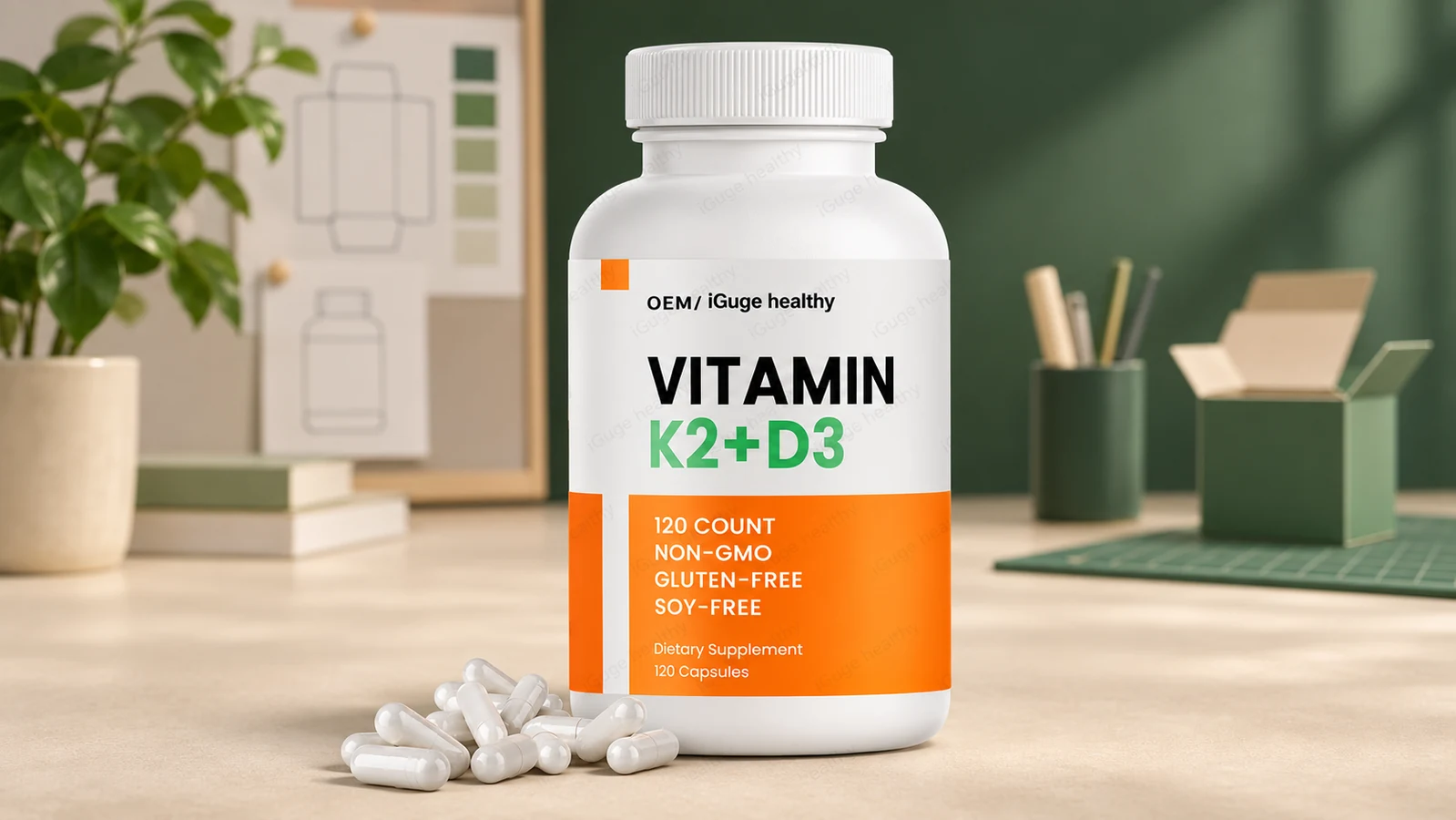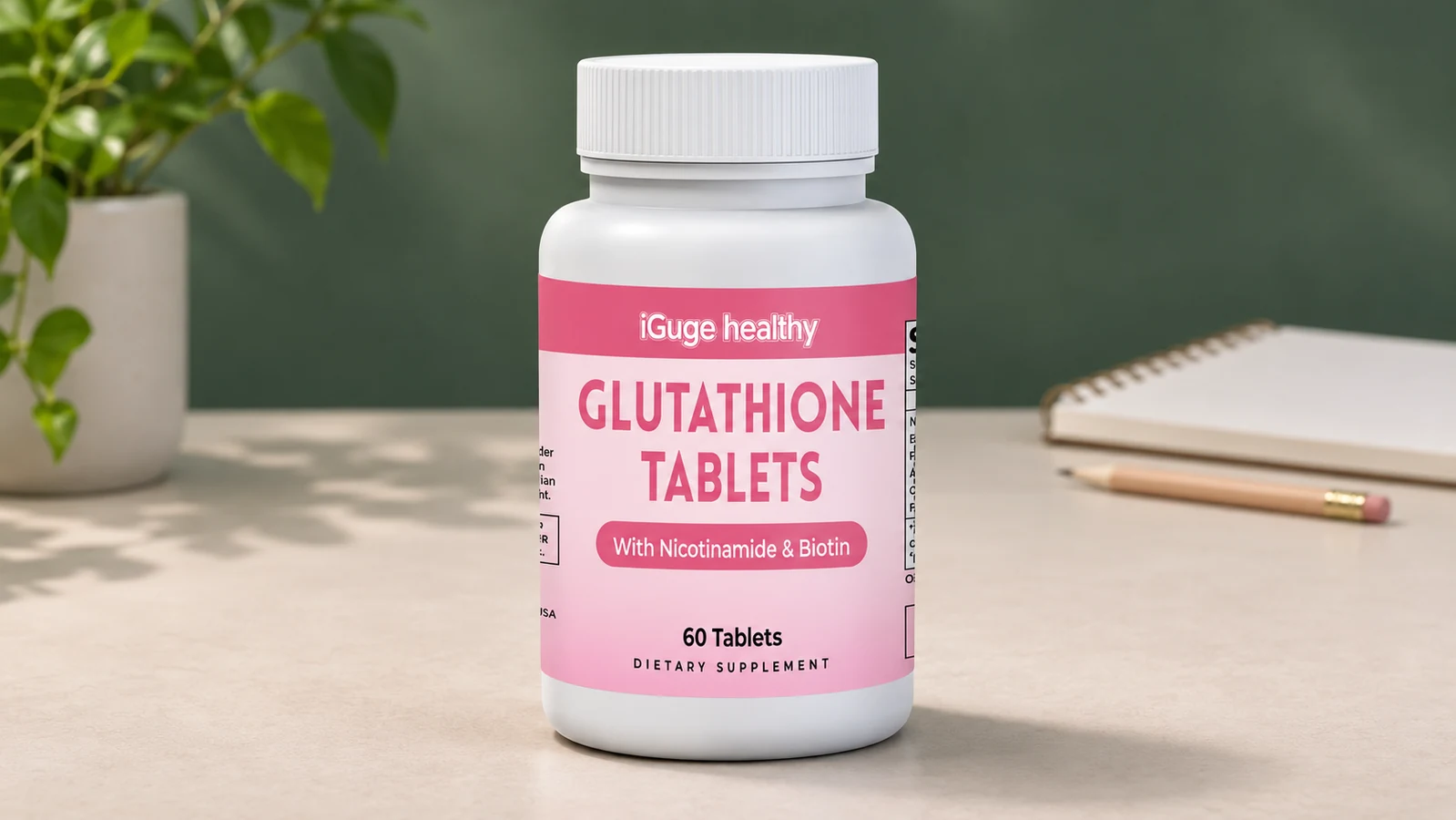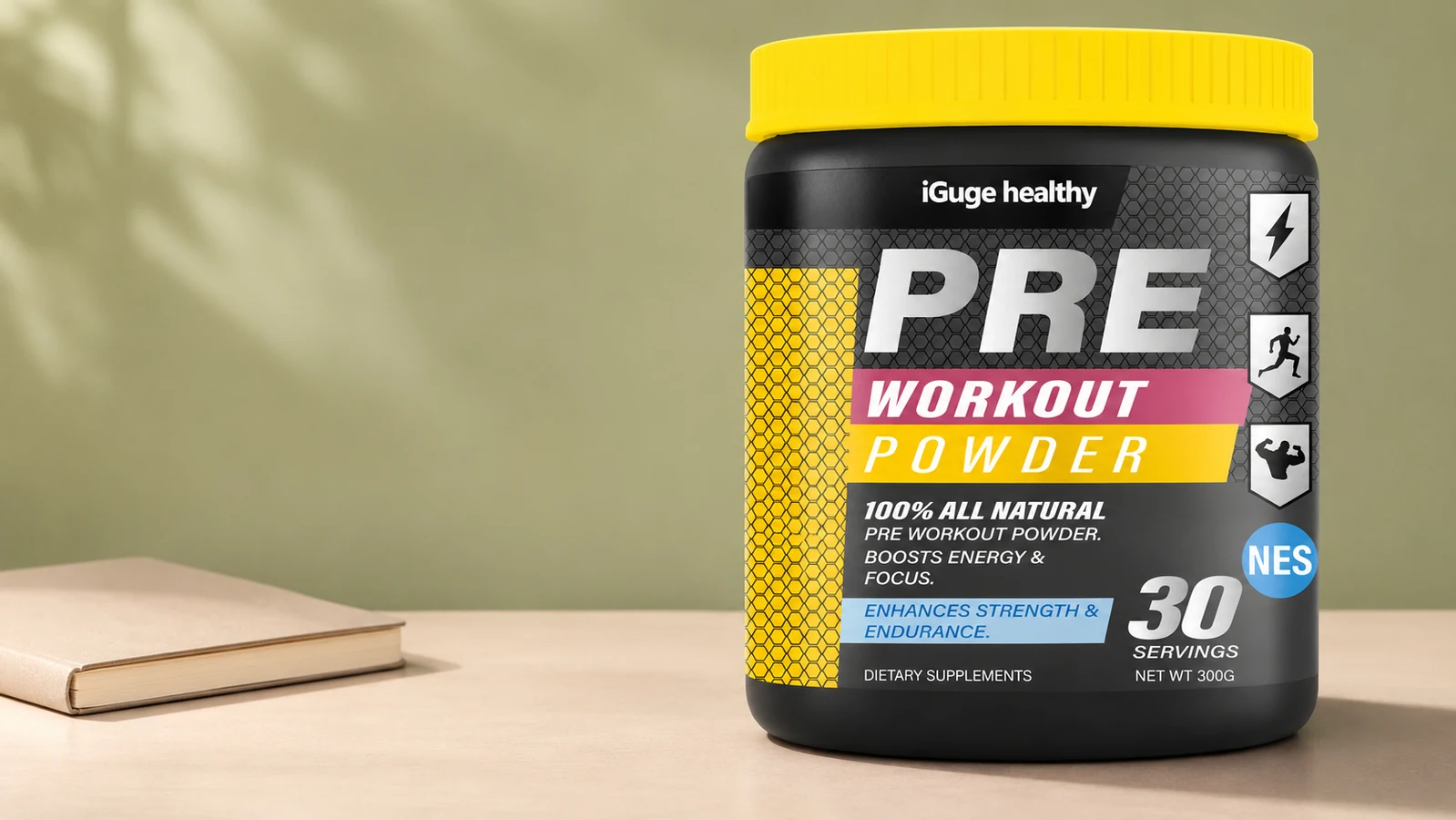
A workout wholesale order needs a defined product, a representative sample and evidence that the delivered stock matches both. A catalogue photograph can help identify a possible item, but it does not establish the formula, lot quality, commercial packing or repeat-supply terms. Evaluating these points together makes offers easier to compare and reduces surprises after the order has been placed.
Establish What The Quoted Unit Actually Contains
A useful offer identifies an item precisely enough that another person can recognize the same product without relying on a photograph. Workout nutrition is a broad commercial category: powders, capsules, gummies and drink mixes have different serving formats, packaging needs and supporting information. Similar names do not make two items interchangeable.
Separate The Product Family From The Exact Item
Start with the product name, ingredient description, flavor, physical format, net contents and pack count. Identify which features are fixed and which are available only after further agreement. A creatine powder, a mixed pre-workout formula and a mass-gainer powder may sit in the same range, but they need separate descriptions. A broad category quotation leaves too much room for different interpretations of the supplied item.
The pre-workout catalogue provides examples of current presentations. Listing a product there does not mean every displayed ingredient combination or package is suitable for a particular order. The actual item and its approved documentation should remain the basis of comparison, rather than an assumption that everything in one category has the same composition.
Distinguish Available Stock From A Development Request
A standard item, a relabeled item and a newly specified formula are different purchasing arrangements. Ask whether the proposed sample represents available stock, an existing production formula or a development version. Confirm when artwork, formula and pack choices become fixed. Minimum quantities and delivery timing depend on that arrangement and must come from the supplier's current offer; a generic website statement is not an order commitment.
Make Sample Evaluation Traceable To The Proposed Supply
A sample is useful when its identity and purpose are recorded. Sample evaluation should state what is being assessed, who will review it and what evidence will support acceptance. An attractive container or agreeable flavor alone cannot establish that the later shipment will match the intended specification.
Connect The Sample To A Product Code And Revision
Record the item code, sample identifier, date, formula or specification revision and the packaging shown. If the sample differs from the proposed supply, list the differences explicitly. A plain sample jar may be suitable for reviewing the contents, while leaving the closure, label and retail pack unapproved. Equally, a packaging mockup may establish artwork without demonstrating the final contents. Neither should silently stand for the other.
Use Defined Checks Instead Of An Overall Impression
Choose checks appropriate to the format and intended distribution. A powder review might include preparation instructions, mixing behavior and the condition of the closure; a capsule review has different handling questions. Keep observations separate from laboratory results and marketing claims. Record the conditions used during sample evaluation so that an unexpected result can be investigated rather than dismissed as an unexplained difference in opinion.
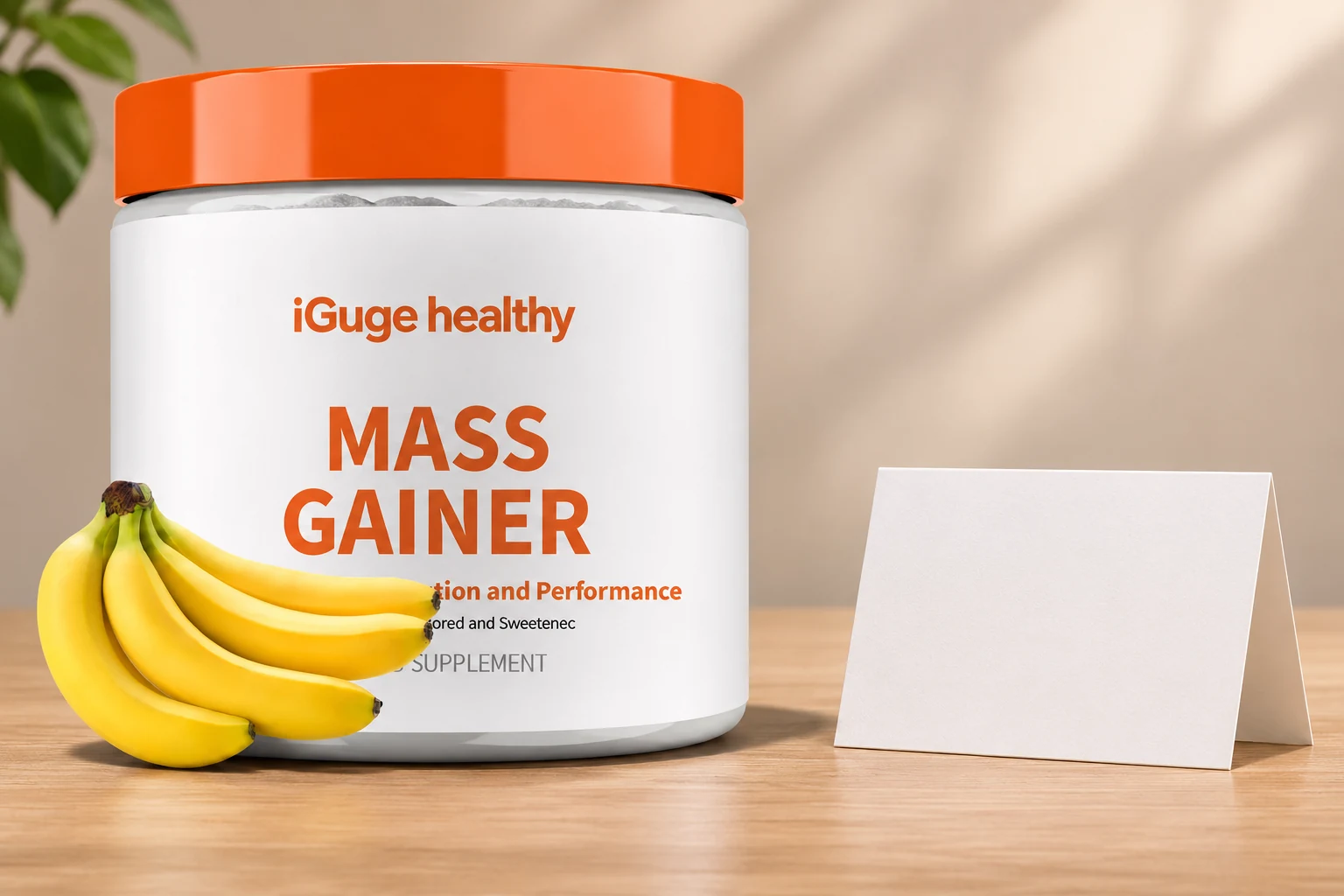
A product image such as the current mass-gainer presentation identifies a catalogue example. It does not prove the nutritional content of a future lot or substantiate every statement printed on its label. Any proposed sales claim needs its own evidence and review for the actual product and destination.
Ask What The Quality Evidence Applies To
Quality information is more useful when it can be connected to the exact product and batch. A generic certificate, an undated report and a finished-lot result answer different questions. Workout wholesale comparisons should distinguish the supplier's general capability from evidence relevant to the proposed stock.
Read The Scope Behind A Certificate Or Test Result
Check the issuing organization, named entity, covered site or product, dates and stated scope. For a test report, review the sample identity, method, measured result and applicable specification. A document bearing a familiar logo does not automatically cover another formula or manufacturing location. Batch identity should link the supplied goods with the relevant records; a product-family name alone may not provide that connection.

FDA's dietary-supplement manufacturing guidance provides context for specifications, quality controls and records. It should not be treated as proof that a particular seller or photographed facility meets those requirements. Determine which documents apply to the actual product and purchasing arrangement, and have responsible specialists review destination-specific obligations where needed.
NIH guidance distinguishes ingredient evidence from claims for mixed products; a general ingredient benefit does not substantiate an unverified finished formula.
Review Packing As Part Of The Delivered Product
A packing specification connects the unit offered for sale with the cartons that must survive storage and distribution. It should cover the agreed container, closure, label version, count per carton and handling information. Packaging decisions influence identification, inspection and stock rotation as well as appearance.
Confirm The Retail Unit And The Shipping Carton Separately
Check the unit closure and any agreed tamper evidence, the legibility and placement of identification, and whether the carton information supports receiving and traceability. Establish who approves artwork and which file version will be used. A correct design on screen is not confirmation of the printed pack, and an acceptable retail unit does not by itself establish that the outer carton is suitable for the intended distribution route.

| Item to compare | Information to identify | Useful confirmation | What remains unproven |
|---|---|---|---|
| Product identity | Item code, format, formula revision and net contents | Written description linked to the offer | A similar photograph does not establish equivalence |
| Sample | Sample code and differences from intended supply | Recorded review against agreed criteria | One approved sample does not prove every later batch |
| Quality documents | Named entity, product or lot, scope and dates | Applicable specification and relevant results | A logo alone does not establish covered activities |
| Retail pack | Approved artwork, container, closure and count | Review of a representative completed pack | A digital mockup does not establish print or fill quality |
| Shipping carton | Units per carton, identification and handling conditions | Agreed packing specification and inspection scope | An attractive retail unit does not establish transit suitability |
| Repeat supply | Revision control, notice of changes and release evidence | Documented responsibilities and current order terms | A first order does not guarantee unchanged future supply |
The electrolyte range illustrates why packing cannot be generalized across an entire category: sticks, tubs and other formats create different identification and handling questions. Compare the specific proposed configuration. A sample supplied in one format does not automatically approve all the alternatives displayed alongside it.
Test Whether The Supply Arrangement Can Be Repeated
Repeatability depends on agreed responsibilities, information flow and the handling of changes. A supplier may be able to present an acceptable first sample while important questions about later orders remain open. Review those questions before treating the initial transaction as a settled supply model.
Define How Changes Will Be Communicated
Identify changes that require notice or approval, including the formulation, ingredient source where material, manufacturing location, container, label and specification. The agreement should explain which records need revision and whether a further sample or check is required. A replacement described as equivalent still needs to be assessed against the approved requirements rather than accepted solely because its outward appearance is familiar.

Resolve A Discrepancy Through Evidence And Ownership
Agree who receives a complaint, which batch details and photographs should accompany it, how retained information will be reviewed and who can authorize a disposition. Separate a cosmetic issue from a possible contents, identification or safety concern. The response should follow the actual issue and applicable procedure; replacing an item without investigating a recurring cause may leave the supply problem unresolved.
Compare Offers On The Same Commercial Basis
Price comparison becomes meaningful after the product and included work are aligned. A lower unit figure may exclude packaging development, inspection, freight or services included elsewhere. Workout wholesale decisions should make those boundaries explicit instead of treating every difference as a discount.
Keep Assumptions Visible Until They Are Confirmed
List the order quantity, product configuration, payment arrangement, delivery basis, named responsibilities and documents expected before release. Record exclusions and unanswered questions alongside the offer. Batch identity and the approved packing specification should remain consistent with the goods being priced. A decision can then be traced to a known product and defined obligations, rather than a collection of optimistic assumptions.
Company information on the iGuge Healthy background page can support initial research, while the full product catalogue helps establish the current range. Neither substitutes for order-specific confirmation. Comparable records make it easier to identify a genuine fit, a remaining evidence gap or a requirement the proposed supplier has not yet accepted.
Frequently Asked Questions
Does A Wholesale Listing Mean The Item Is Ready To Ship?
No. A listing may describe an available format, a customizable presentation or an example from a broader range. Confirm the proposed stock, configuration, quantity and current delivery terms directly before relying on a shipping date.
Can One Sample Approve Several Flavors?
Only the agreed scope of the review is approved. Another flavor may have different ingredients, preparation behavior or label information. Record whether the sample represents one exact item or a defined group, and identify any additional checks.
Is A Certificate Of Analysis Sufficient On Its Own?
Its usefulness depends on what was tested, which sample or batch it identifies, the methods and the specification. Review it alongside the product description and other relevant evidence rather than treating the document title as a complete acceptance decision.
Why Can Similar Containers Have Different Order Terms?
The contents, artwork, closure, production arrangement and included services may differ even when the outward pack looks similar. Match the exact configuration and responsibilities before comparing price, minimum quantity or timing.
What Should Be Retained After Sample Approval?
Keep the approved item description, sample identifier, review record, applicable specification and packaging revision. Record unresolved conditions as well. These establish what was agreed and provide a useful reference if delivered stock differs.
For an item under review, send its product code, intended pack, order quantity and the unresolved sample or document questions through the product-enquiry page. Ask for the exact proposed configuration and evidence scope before treating the quotation as an approved supply arrangement.