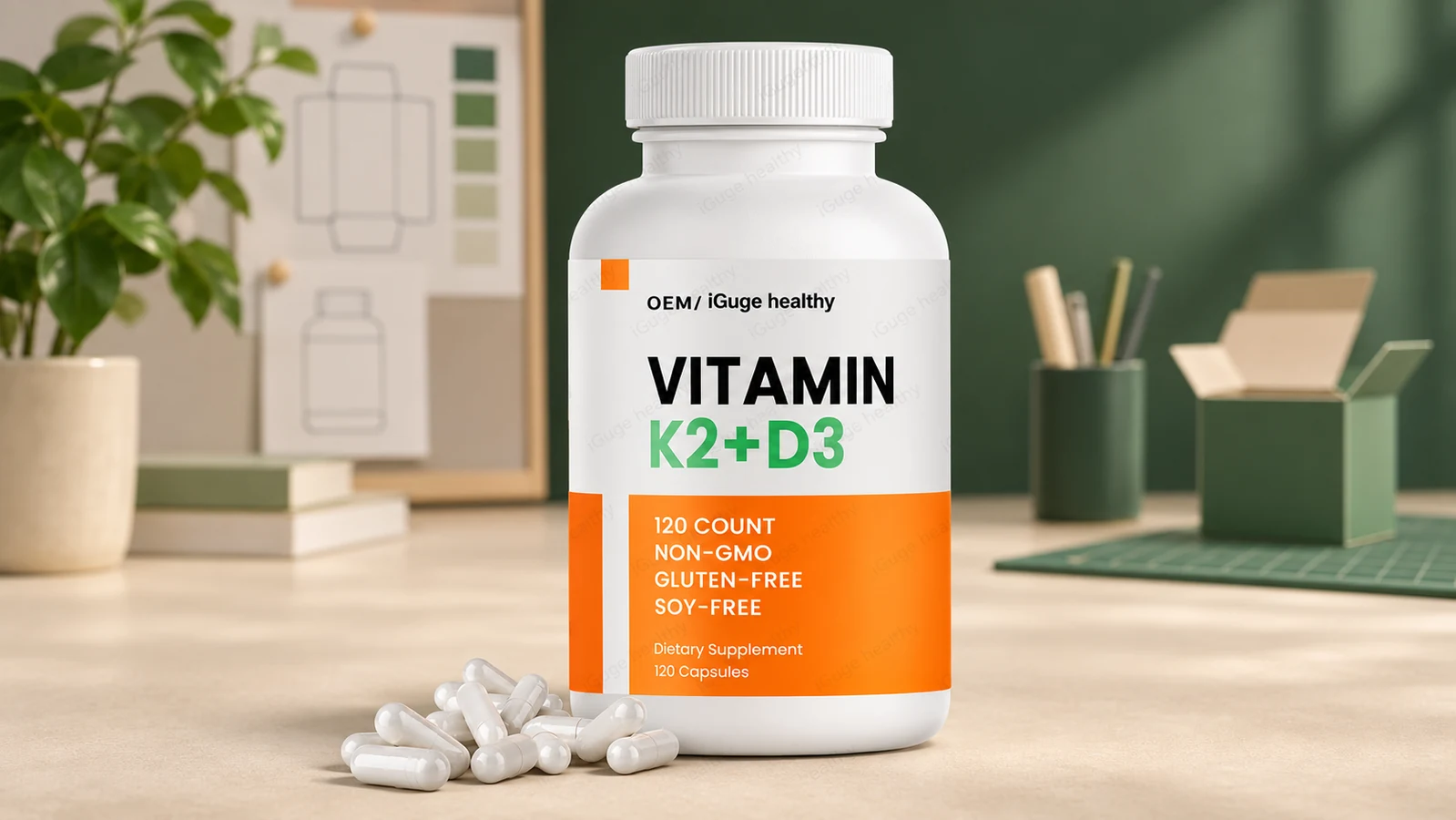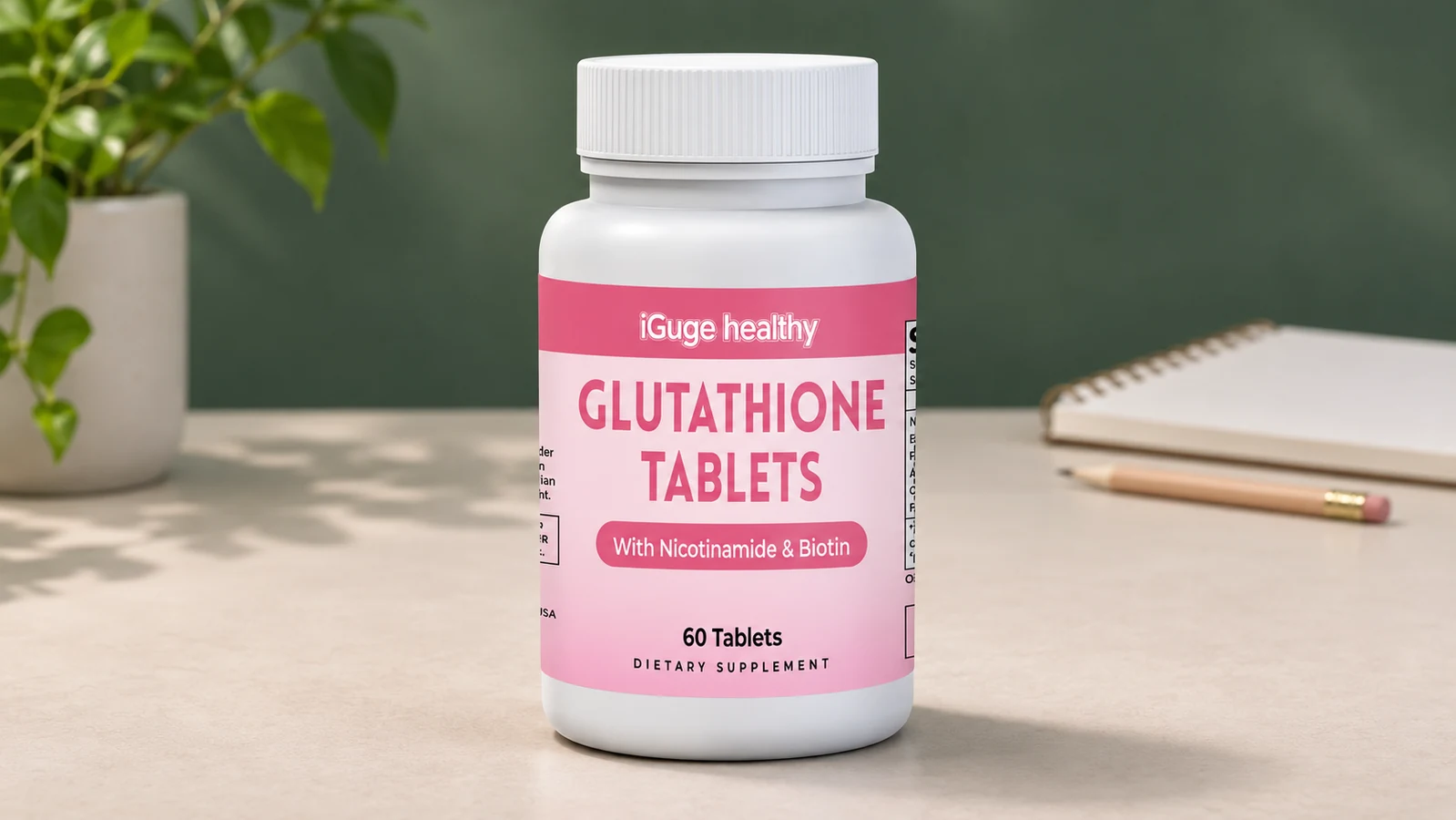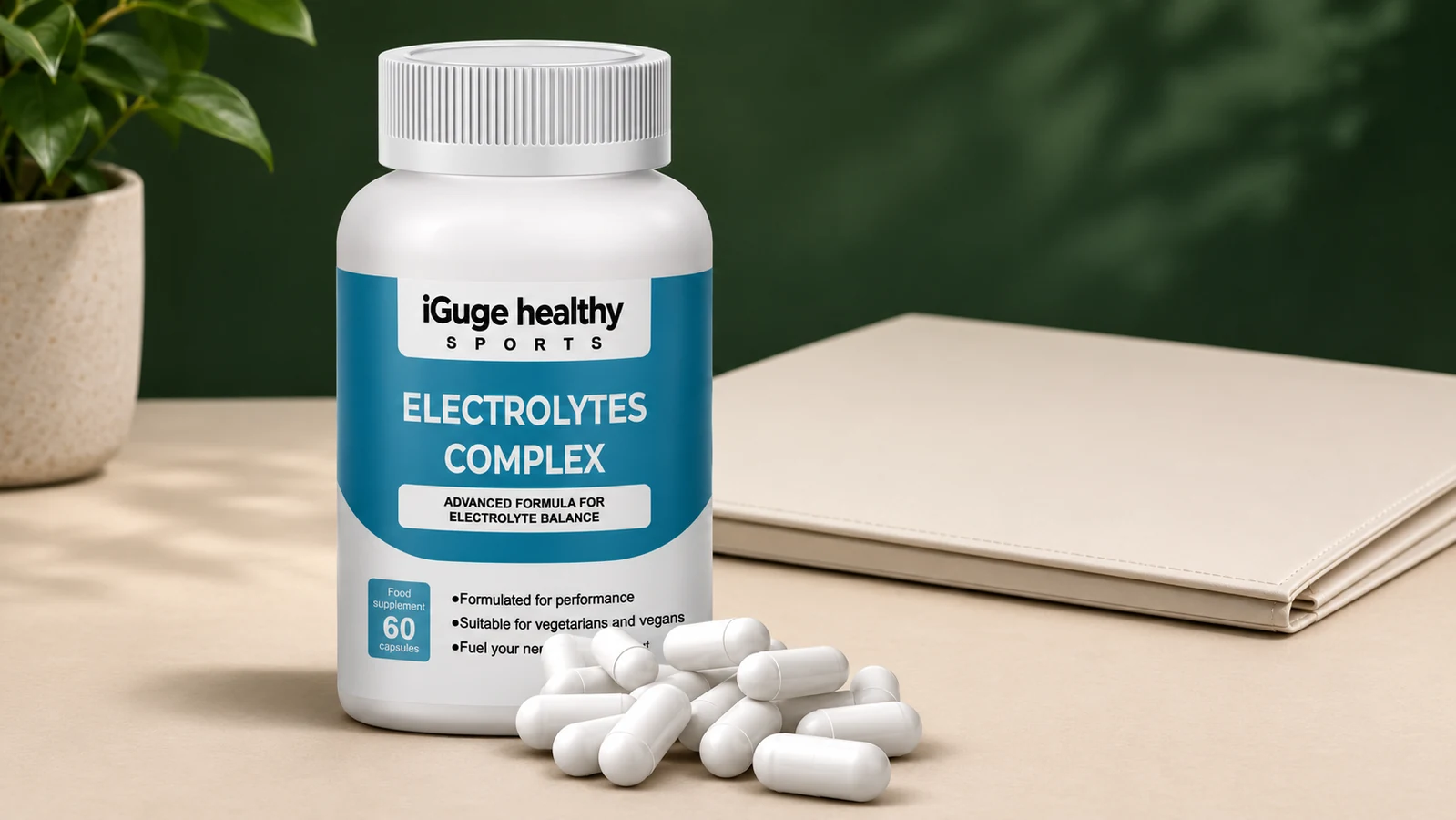
A supplement manufacturer belongs on a shortlist when product claims can be connected to accountable people, controlled specifications and usable batch evidence.
A polished catalogue can establish a useful starting point, but it cannot establish how a particular order will be made or released. The practical question is whether the proposed formula, manufacturing location, packaging and quality decisions form one consistent record. A supplier with a narrower, well-supported scope may be easier to evaluate than one offering many formats with little explanation of who controls them.
Start With A Product Brief That Can Be Checked
Manufacturer qualification becomes vague when the product itself remains undefined. A capsule, a drink powder and a chewable tablet may share ingredients while requiring different process controls, packaging protection and sensory decisions. The initial brief should identify the intended format, ingredient direction, serving presentation, destination market and proposed claims. These are questions to resolve, rather than evidence that a catalogue item already meets the final brief.
Separate An Existing Example From The Proposed Order
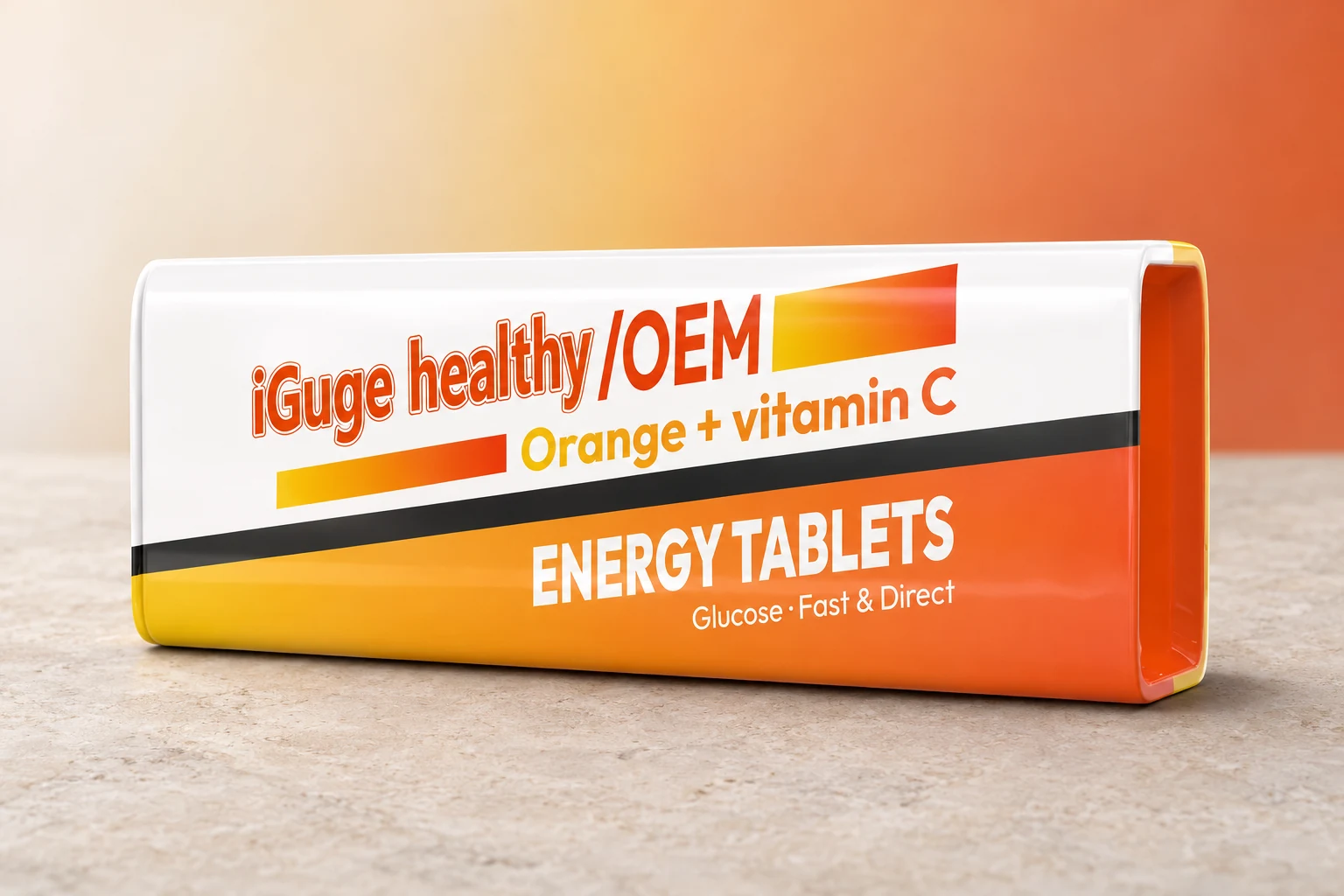
A listing for orange vitamin C energy tablets provides a concrete package and format to discuss. It does not establish the composition, artwork or legal classification of a future private-label order. The review should identify which features remain unchanged and which require development. Even a change in serving presentation may affect the documents and tests needed to approve the finished item.
Define What A Representative Sample Represents
A sample is more informative when its recipe revision, production route and packaging status are known. A hand-filled development sample can help assess flavor or appearance without demonstrating a commercial packing process. The supplier should identify that boundary. Otherwise, a satisfactory sample can create confidence in characteristics that were never tested under the conditions planned for routine supply.
Establish Who Owns Each Quality Decision
The organization selling the product, the site making it, the laboratory testing it and the person authorizing release may be different parties. This is not inherently a defect. It becomes a risk when responsibilities are unclear or when a question is repeatedly passed between organizations without a documented answer. A usable relationship map names the legal entities, manufacturing steps and escalation contacts relevant to the proposed order.
Trace The Actual Manufacturing Scope
Ask which location performs blending, forming or filling, packing and final release. If a step is outsourced, identify how that provider is approved and how changes are communicated. A company profile establishes identity and positioning, while a project-specific process map establishes accountability. The iGuge healthy company introduction, for example, describes its brand and OEM/ODM support; it should not be read as an independent audit of every activity behind every catalogue item.
Match Documents To The Right Entity And Activity
A certificate or inspection document needs a verifiable issuer, holder, address, scope and applicable dates. A document belonging to a related company or covering a different activity cannot automatically establish the proposed site's suitability. A confidential document can be reviewed through an agreed controlled process. Refusal to disclose unrestricted copies is different from an inability to establish the relevant facts at all.
Market classification also matters. Dietary supplement manufacturing controls in the United States and the manufacturing requirements for medicines regulated in Australia follow different frameworks. Not every wellness product is classified the same way. A qualified market review should determine the applicable pathway before anyone treats a foreign certificate, a label template or a supplier assurance as sufficient authorization to sell.
Read Quality Evidence As A Connected Batch Record
A supplement manufacturer should be able to explain how an agreed specification reaches a released batch. Useful evidence connects raw-material identification, production instructions, recorded observations, test results and final disposition. It is the connection between these records that matters. Several impressive documents with different product codes or revisions can leave the central question unanswered.
Distinguish A Result From Its Interpretation
A certificate of analysis is easier to assess when it identifies the sample, batch, methods, acceptance limits and responsible review. A result without its method or applicable limit may not answer the intended question. A general laboratory capability statement is also different from testing the relevant batch. The review should establish whether the proposed evidence actually measures the characteristic being approved.

Look For A Consistent Release Story
A redacted worked example can show how records connect without exposing another customer's formula. The reviewer can follow a product code from instructions to execution and disposition, noting how an exception was investigated. An entirely blank template shows intended structure, not completed practice. Neither document needs to reveal proprietary content to demonstrate whether version control and authorization are coherent.
| Evidence Offered | Question It Can Help Answer | Boundary To Check |
|---|---|---|
| Approved specification | What characteristics and limits were agreed? | Product identity, revision and approval authority must match. |
| Sample evaluation record | Which sensory or physical features were assessed? | Development conditions may differ from the commercial route. |
| Batch-linked test report | What was measured for the identified sample? | Methods, limits and sample relationship need review. |
| Completed production record | How was the batch made and checked? | A generic template does not show execution. |
| Deviation and disposition record | How was an unexpected result handled? | Investigation and release authority must be traceable. |
For a supplier evaluation, this table is an evidence map rather than a universal document checklist. The appropriate depth depends on the product and relationship. A short, consistent example is often more useful during early qualification than a large folder whose contents cannot be connected to the proposed work.
Test The Response To Change Before It Happens
Routine quotations reveal how a supplier handles an expected order. A realistic change question reveals how the relationship may behave under pressure. An ingredient becomes unavailable, a label is revised or a packing material changes. The relevant response is not an immediate promise that everything is possible; it is a clear account of what must be assessed and who must approve it.
Use A Specific Hypothetical Change
Consider a proposed replacement for one ingredient source while keeping the finished-product description unchanged. The discussion should address identity, relevant specifications, potential effects on processing and any necessary reassessment. It should also explain which records would change and whether the customer would be notified before implementation. This scenario is a proposed qualification exercise, not a claim that a particular supplier has made such a substitution.

Keep Commercial Readiness Separate From Technical Approval
A technically promising supplement manufacturer may still be unsuitable for a particular launch schedule or order structure. Commercial readiness includes realistic minimum quantities, development charges, packaging availability, payment milestones and responsibility for unused materials. These terms should be confirmed for the actual brief. Promotional lead times and minimum quantities do not automatically apply across every formula, format and destination.
Freeze The Versions That Affect The Order
Formula, specification, artwork and packaging approval should point to identifiable versions. A final label file sent by email can otherwise diverge from a later purchase order or production instruction. One concise approval register can record which file controls each decision, who approved it and which unresolved items prevent release. The aim is a clear handoff, not a new layer of paperwork without an owner.

The site's OEM customization process describes starting from an existing product direction, refining a brief or developing a concept. These are useful routes for discussion. The scope, samples, approvals and commercial terms still need to be established for the selected route. A development project should not be quoted or evaluated as though its unresolved decisions were already closed.
A practical comparison separates confirmed items, acceptable conditions and unresolved issues. This avoids averaging a critical missing fact into a favorable overall score. Missing release authority, for example, is not offset by an attractive pack design. Conversely, a clearly disclosed limitation may be manageable if the proposed product does not depend on the missing capability.
Make The Shortlist Decision Explainable
The final supplier evaluation should state why each candidate remains under consideration and what would change that decision. A manufacturer qualification rationale is more durable than a general impression of professionalism. It should connect the proposed product, accountable manufacturing scope, sample findings, quality evidence and commercial conditions. This also gives later reviewers a way to understand why the relationship was started.
Frequently Asked Questions
Does A Broad Catalogue Prove Manufacturing Capability?
No. A catalogue shows the range of products presented for discussion. It does not independently establish where each item is made, which processes are controlled in-house or whether a proposed variation has been validated. Those questions require product-specific evidence.
Is A Certificate Of Analysis Enough To Approve A Supplier?
It can support a defined testing question, but it does not establish the entire quality relationship. Its sample identity, method and limits need interpretation, and production responsibility, change control and release decisions remain separate parts of the assessment.
Can A Confidential Formula Still Be Evaluated?
Yes, through an agreed confidentiality and review process. Early discussions can establish ownership, document structure and responsibilities without circulating a complete proprietary formula. Final technical approval still requires access to the information necessary for the agreed scope.
Should The Lowest Minimum Order Quantity Decide The Shortlist?
It is one commercial factor. A smaller initial quantity may help a launch, but it should be compared alongside product suitability, packaging commitments, development work and the evidence available for release. The quoted quantity must also apply to the actual project.
What Is The Strongest Sign Of A Useful Evaluation Response?
A specific, internally consistent answer that identifies its evidence and limitations. A supplier should be able to distinguish what is confirmed, what needs testing and who owns the next decision. That is more useful than an unsupported assurance that every requirement is already satisfied.
A useful next step is to take one product direction from the current collection and request a project-specific evidence outline through the customization discussion, listing the unresolved specifications and approval responsibilities.