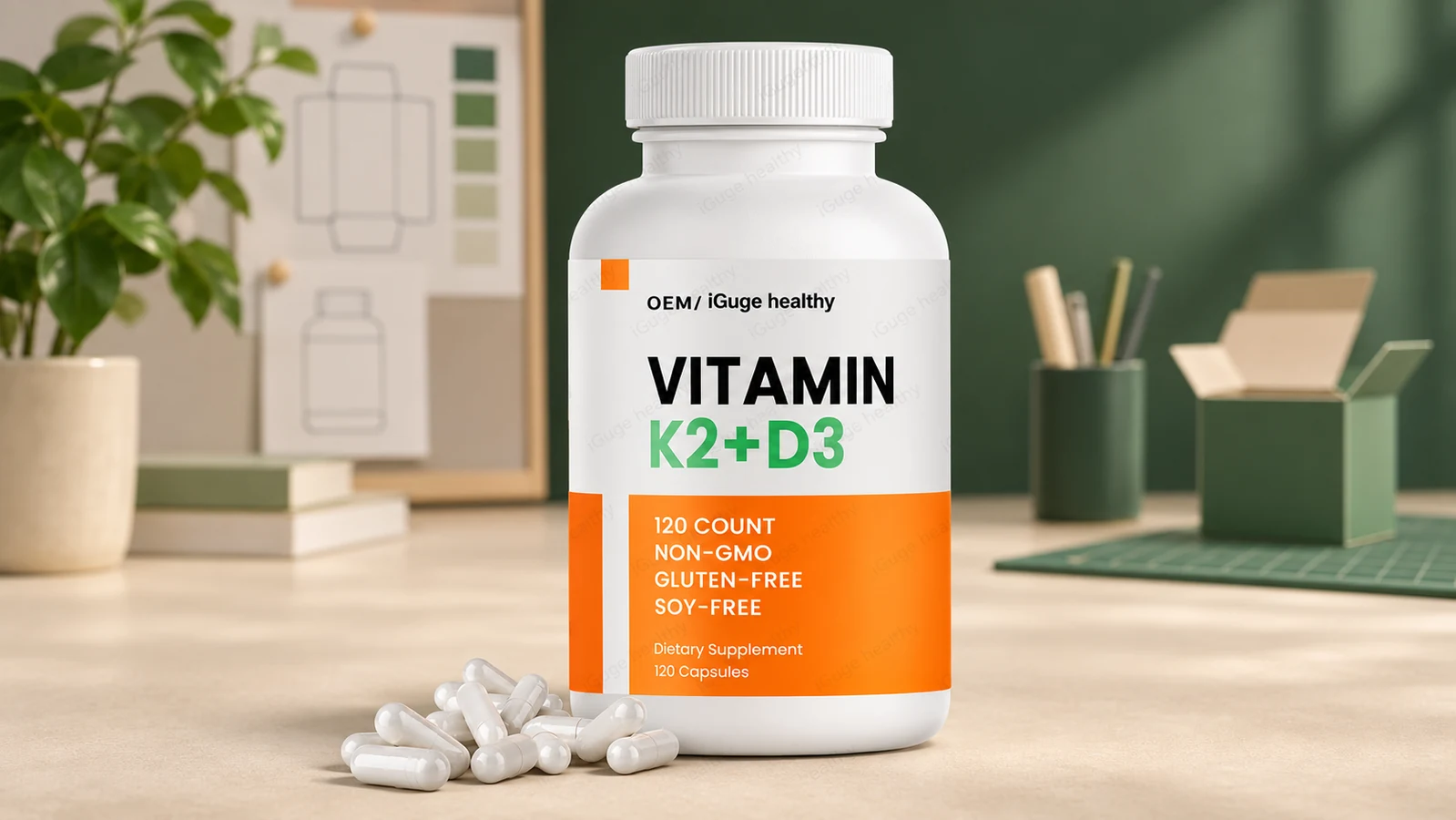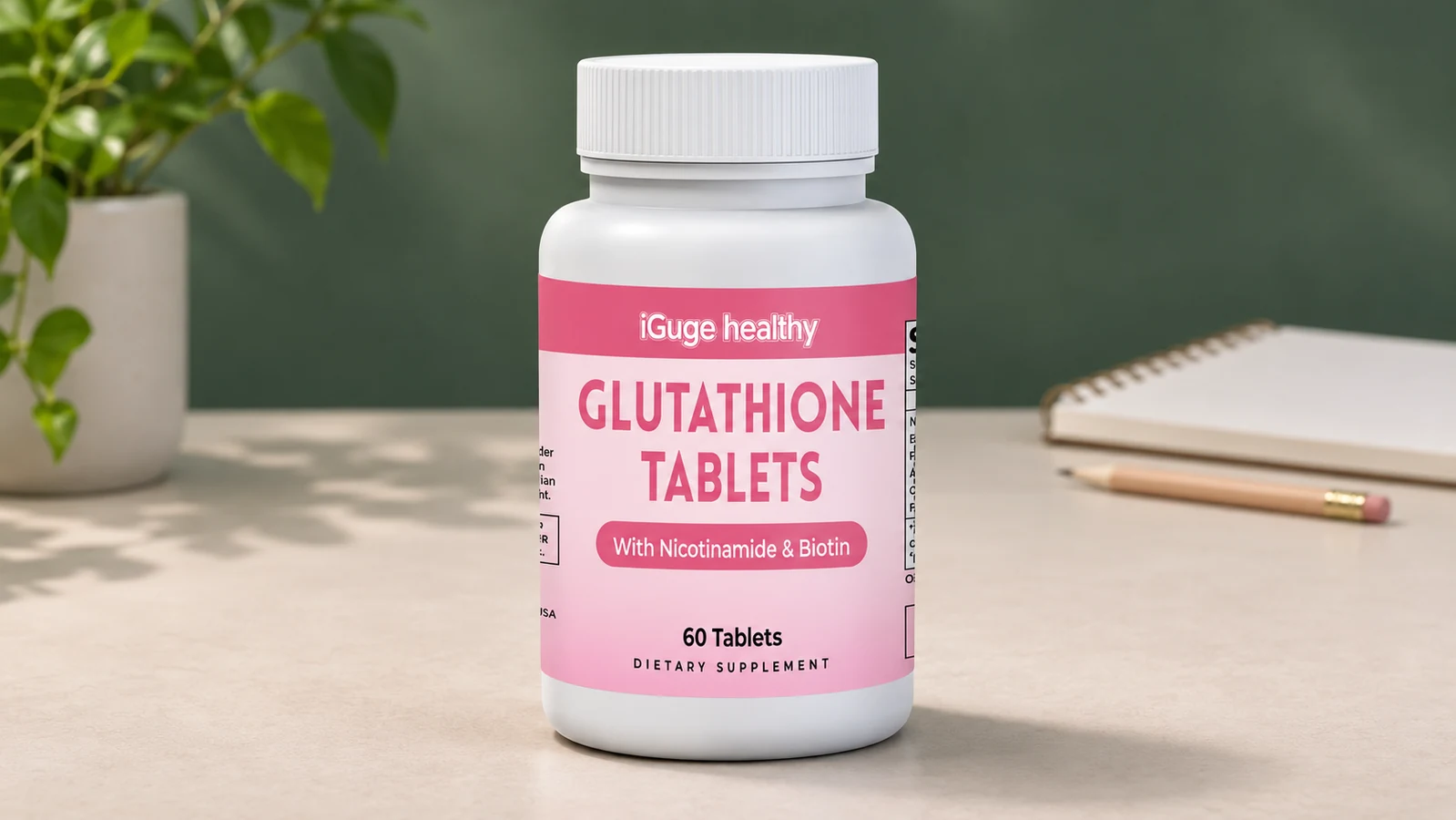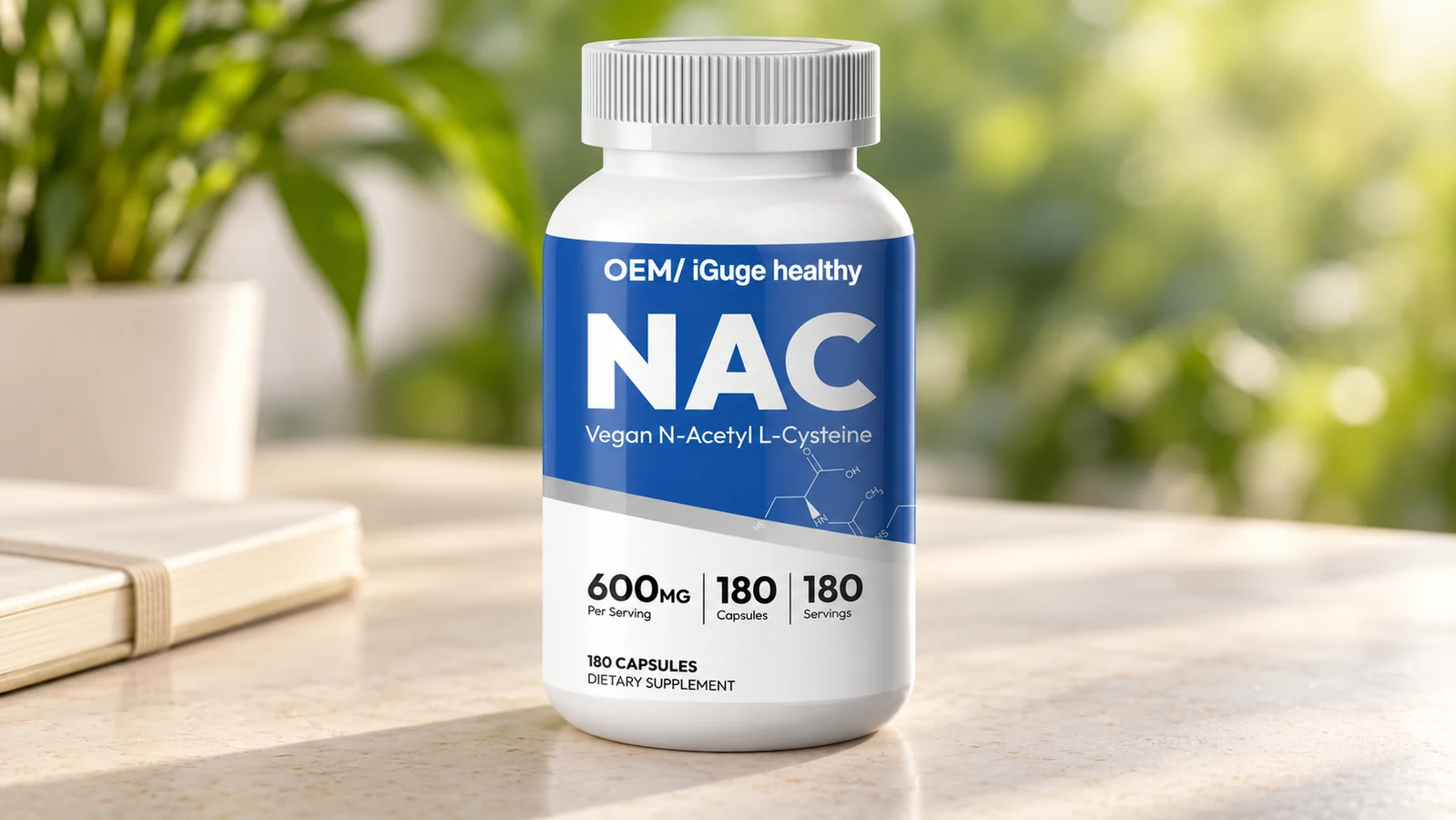
Manufacturing dietary supplements turns an agreed product specification into a controlled sequence of material handling, processing, packaging and release decisions. Mixing ingredients is only part of that sequence. A repeatable batch also needs clear instructions, suitable equipment, identified materials and evidence showing what actually happened. Understanding these connections makes the journey from a laboratory sample to a finished commercial pack easier to evaluate.
Start With A Defined Product Instead Of A List Of Ingredients
An ingredient list alone cannot define a production job. Powder, capsule, gummy and liquid formats have different handling questions. Connect the serving, ingredient forms and finished-pack information before transferring work to the production floor.
Separate The Formula From The Manufacturing Instructions
The formula records components and amounts; manufacturing instructions define their approved sequence, equipment and checks. Neither can replace the other. A processing difficulty also cannot justify silently changing an approved ingredient or formula. A capsule presentation identifies a possible format, not its approved processing instructions.
The iGuge Healthy customization page presents formula, format, sample and packaging discussions as connected project decisions. It provides a starting point for defining the brief, not proof that every listed product follows one production method. The proposed project still needs confirmation of the actual manufacturing activities and the documents available for those activities.
Fix The Version Before Transferring The Work
Identify the approved versions of the formula, specification and artwork. Sample-review changes must reach everyone using those documents. This prevents a correct ingredient order from being combined with an outdated pack count and keeps later investigation tied to the information actually used.
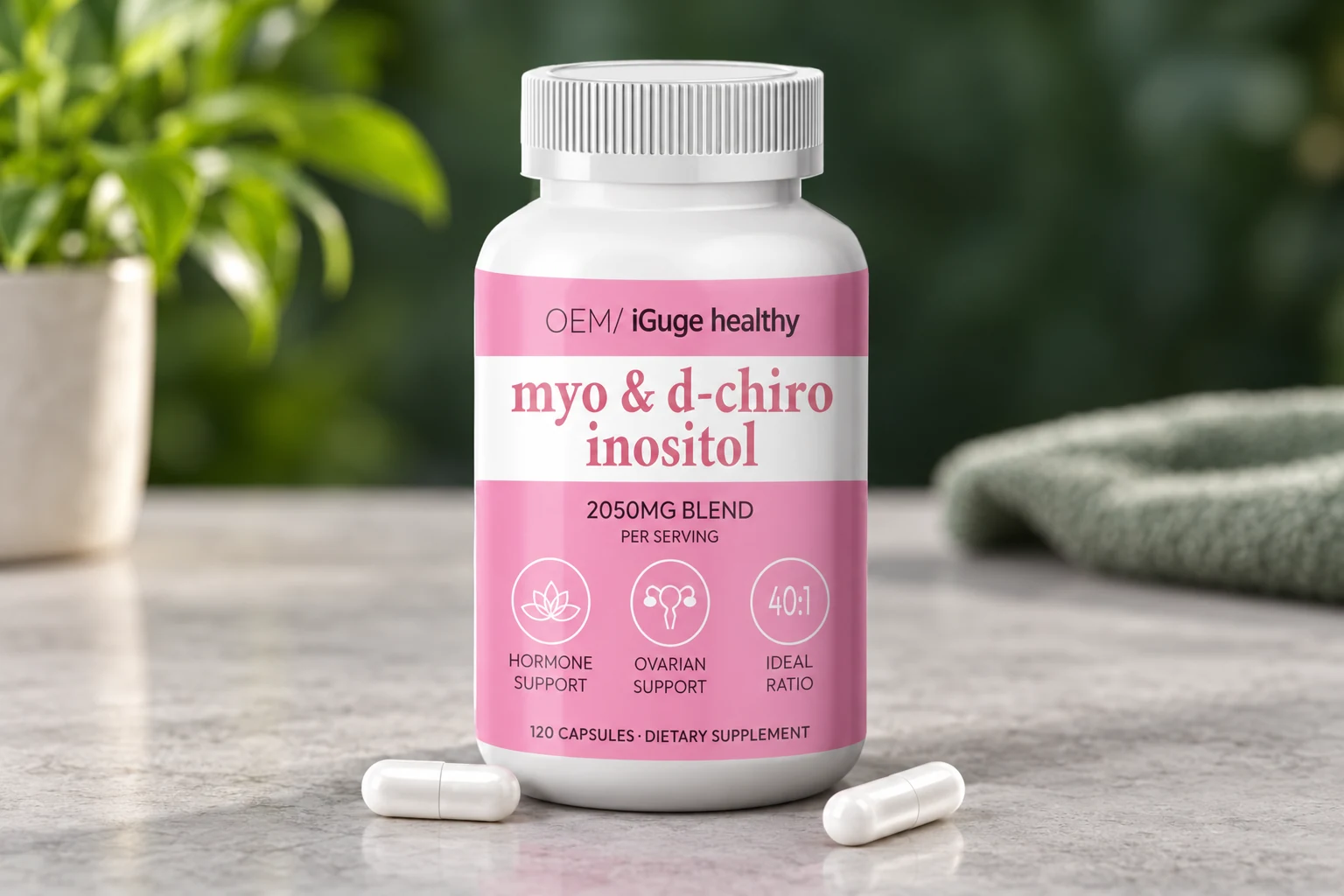
Make Material Identity Visible Before Processing Begins
Similar ingredient names do not always mean interchangeable materials. Nutrient forms, extract definitions and carriers can affect a formula. Connect the delivered material to the approved requirement before releasing it for use.
Connect The Delivery To Its Approved Specification
Material identity requires more than matching a carton name. The specification must identify the component and its acceptance evidence. Receiving checks connect delivery, documents and sampled material; an unexplained mismatch should remain visible until it is resolved.
Botanical products make this distinction particularly important. The herbal supplement collection offers ingredient directions, while the project discussion must settle the identity and specification of the selected component. A plant name alone cannot establish the part used, extraction details or the composition of a blended material. Those points must be confirmed where they matter to the formula.
Keep Material Status Separate From Physical Location
Storage inside a production building does not establish acceptance. Distinguish material awaiting review, accepted material and material that cannot be used. Physical identification and records must agree, including when status changes after a container has moved.
Material identity must remain traceable when a container is opened or divided. A temporary vessel without identification can break the connection. Another authorized person should be able to establish its identity and status without depending on someone else's memory.
Treat Production Transfer As A Technical Question
A development sample does not establish that a different mixer, filling arrangement or batch size will give the same result. Production transfer identifies differences that need evidence before the commercial process is considered repeatable.
Identify What Changes When The Batch Gets Larger
Equipment geometry, loading and handling can change with scale. Review their effect on the product rather than applying a batch-weight ratio. Explain which settings carry forward and how adjustments will be assessed; using the same mixing time is not a complete rationale.
Manufacturing dietary supplements in several formats also involves different process questions. A powder blend may need attention to segregation and filling behavior, while a capsule or tablet project has additional format-specific constraints. The vitamins and dietary supplements catalogue shows product directions; it should not be read as evidence that performance in one format predicts performance in another.
Give A Trial A Decision To Resolve
A trial should resolve a defined transfer, filling or packaging question. Agree observations and acceptance criteria beforehand, then record conditions and unexpected behavior. Approval, a revised trial or an unresolved question should follow from the evidence.
Production transfer depends on identifying the conditions behind each sample. Distinguish development, pilot and commercial samples. When a finding cannot be transferred, record that limitation so it does not become an assumed capability on the next order.

Use The Batch Record To Explain Actual Execution
An instruction describes the intended process; a batch record describes its execution for a particular batch. A clean template cannot show what occurred. Completed entries must connect to the approved instructions and actual materials.
Distinguish A Planned Check From A Recorded Result
Each checkpoint should identify the activity, result and responsible person. A tick without context may not explain the check. Contemporaneous entries reduce dependence on recollection; missing information requires review rather than retrospective completion disguised as an original entry.
FDA's dietary supplement guidance distinguishes the master manufacturing record from the batch production record, and connects manufacturing to production and process controls. Its requirements have a defined legal scope. They are useful context for understanding the record structure, but a generic statement of compliance does not establish that the records for an individual project are complete or accurate.
Make Exceptions Part Of The Record
Record departures and the decisions about affected material. An interruption or unexplained count must remain visible after production resumes. Review what is known, what needs assessment and how the event affects the final disposition.
| Stage | Question the evidence answers | Useful record connection | Common gap |
|---|---|---|---|
| Product definition | Which formula and format were approved? | Specification linked to a controlled version | Sample comments never incorporated |
| Material review | Which delivered component was accepted? | Supplier lot linked to its acceptance evidence | Document describes a different material |
| Processing | How was this batch actually produced? | Execution entries linked to current instructions | Settings recorded without their context |
| Packaging | Which components and artwork were used? | Pack identifiers linked to the batch | Obsolete labels remain available |
| Review and release | Why was the finished batch accepted? | Results and exceptions linked to disposition | Shipment proceeds before review closes |
| Later investigation | Which product and records are affected? | Distribution information linked to the batch | Similar product versions are confused |
Carry The Same Control Into Packaging
Packaging converts bulk material into a distributed pack and introduces component, fill, closure and artwork decisions. A correct formula can still end up in an incorrect pack. These controls belong in the manufacturing discussion.
Label reconciliation helps account for the labels issued, used and remaining where that control is applicable. More broadly, the packaging process should make it difficult to mix current and obsolete artwork or confuse similar product versions. The appropriate controls depend on the operation; the useful question is how the exact label applied to the batch can be established later.
The site's packaging discussion includes pack structure, serving options and artwork review. Confirm those choices for the actual product. A bottle suitable for one format does not automatically establish suitability for another, and a finished mock-up does not demonstrate closure performance or the behavior of a filled pack during distribution.

Read Release Evidence Within The Product's Actual Scope
Release review connects specifications, process records, test evidence and unresolved events. Interpret each result against the requirement and batch it describes. One favorable measurement cannot resolve an unrelated uncertainty.
Classification and destination also matter. TGA guidance describes manufacturing obligations for registered complementary medicines; that is not a universal description of every wellness food or supplement. The applicable pathway should be established for the intended product before production assumptions are fixed. Neither a catalogue category nor an attractive label determines the legal classification on its own.
The company and project information describes discussing manufacturing information, specifications and available documents for the selected project. Read any document within its named site, activity, product and validity scope. This avoids turning a general statement into an unsupported claim that every formula or future batch has already been independently verified.

Frequently Asked Questions
Is Manufacturing The Same As Formulating?
No. Formulating defines a product composition and its intended characteristics. Manufacturing carries the approved definition through controlled operations to a finished batch. The two activities influence each other, but a good formula still needs a workable and documented production route.
Does Every Supplement Follow The Same Production Sequence?
No. The route depends on the format, ingredients and operations involved. A powder, capsule, gummy or liquid can require different processing and packaging decisions. Identify the actual steps proposed for the selected product instead of assuming that a general process diagram applies unchanged.
What Is The Difference Between A Specification And A Test Result?
A specification states the requirements used to evaluate a material or product. A test result describes an observation from a defined sample and method. The result is meaningful only when its sample, method and acceptance basis are appropriate to the question being answered.
Can Packaging Be Finalized After The Formula Is Approved?
Some decisions may follow formula development, but packaging still needs coordinated approval before production commitments are made. Format, fill, closure, artwork and intended distribution can interact. Late changes should be reviewed for their effect rather than treated as an automatic substitution.
What Makes A Repeat Order More Than A Copy Of The Last Purchase?
A repeat order should identify the approved product version and review any changes since the previous batch. Ingredients, components, instructions or requirements may have changed. Reusing an order number does not replace confirmation that the relevant manufacturing information remains current.
Manufacturing dietary supplements is best understood as a connected record of decisions: define the product, identify the materials, establish the process and explain the finished batch. When those connections remain intact, a question about a sample, label or later complaint can be investigated against evidence rather than assumptions.